

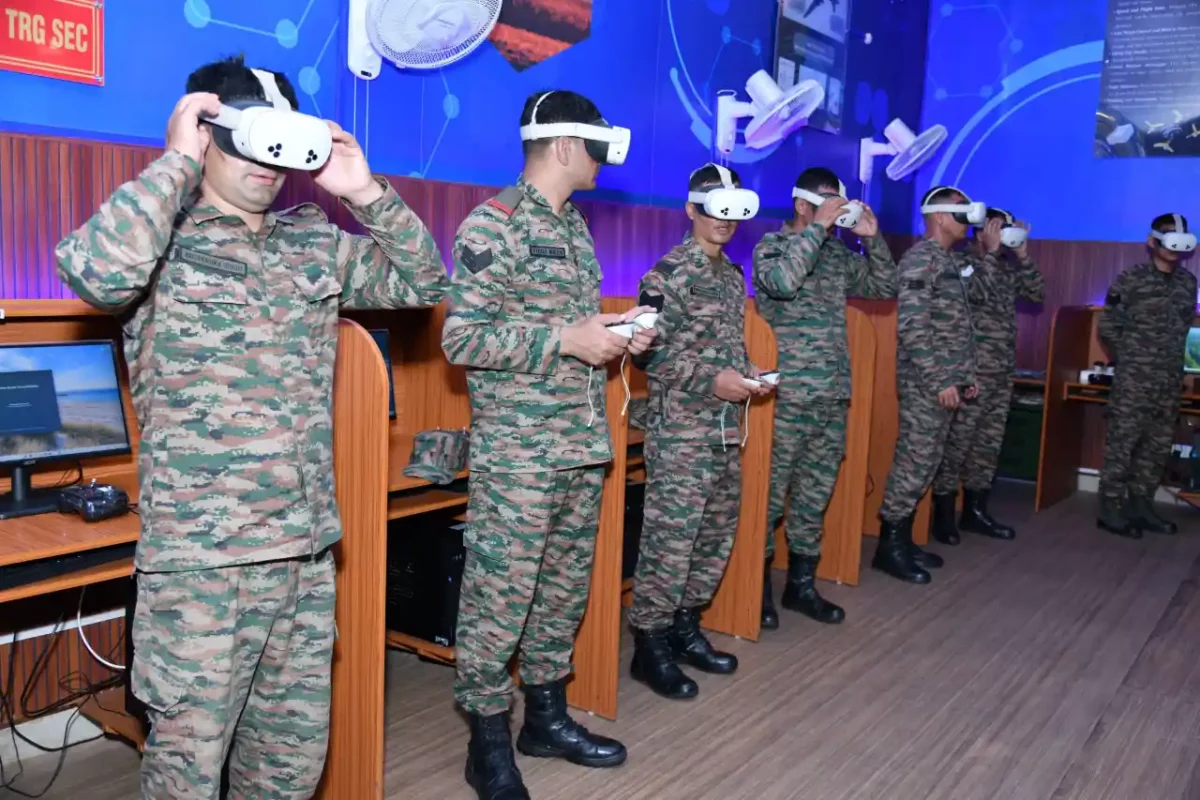
Forty personnel undergoing the Permanent Instructors Orientation Course of the National Cadet Corps (NCC), Bareilly, visited the Niche Technology Labs at the Junior Leaders Academy, Bareilly, gaining first-hand exposure to emerging technologies and their applications in modern warfare.





The visit provided the personnel with an opportunity to understand how rapidly evolving technologies are influencing military operations and shaping the requirements of future battlefields. The interaction focused on innovation, technology-enabled operations and the practical applications of emerging systems.
During the visit, the personnel were exposed to a range of specialised technology laboratories at the Junior Leaders Academy. These included the Drone and Counter-Unmanned Aircraft Systems (Counter-UAS) Lab, Artificial Intelligence and Robotics Lab, 3D Terrain Visualisation Lab, Geo-Spatial Lab and Future Tech Lab.
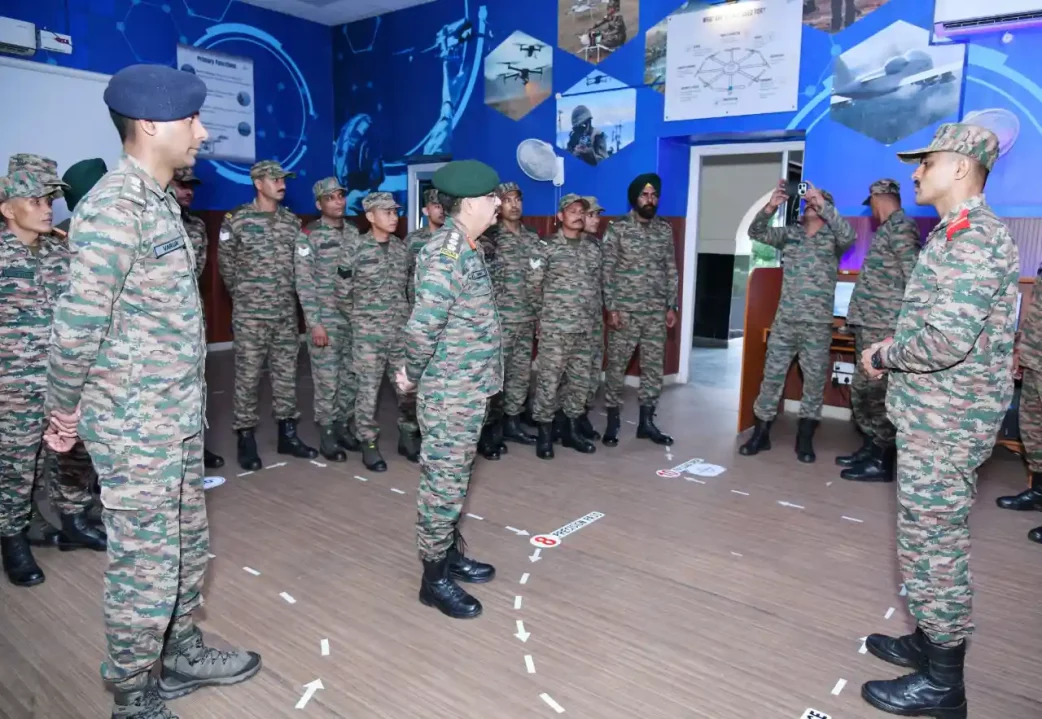
The Drone and Counter-UAS Lab provided an insight into the growing role of unmanned aerial systems and technologies designed to counter them. Drones have become an increasingly important element of contemporary military operations, making awareness of their applications and countermeasures relevant to personnel involved in military training and instruction.
The AI and Robotics Lab introduced the visitors to applications of Artificial Intelligence and robotic technologies. Such technologies are increasingly being explored for applications that can support military operations, improve situational awareness and enhance the effectiveness of personnel operating in complex environments.
The 3D Terrain Visualisation Lab provided exposure to technology-enabled representation of terrain. Such capabilities can assist in understanding geographical environments and visualising terrain in ways that support operational planning and training.
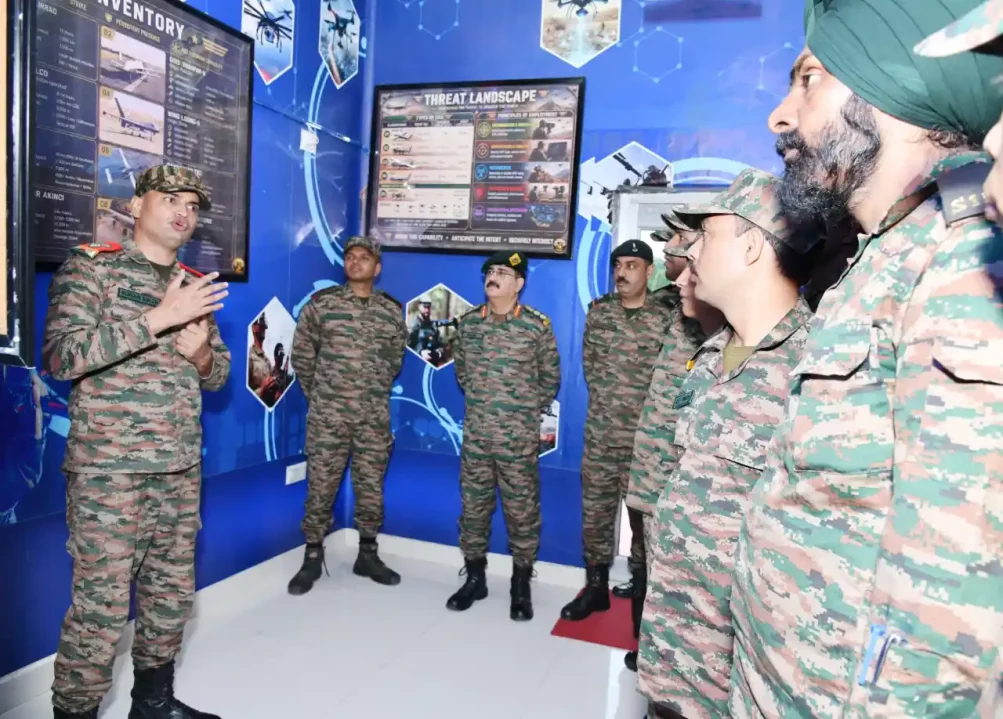
The Geo-Spatial Lab further highlighted the importance of geographical information and technology in modern military applications. Geo-spatial capabilities can support the understanding of terrain and operational environments, forming an important component of technology-enabled military planning.
The personnel also visited the Future Tech Lab, where they gained insights into emerging technologies and their potential applications on future battlefields. The exposure highlighted the importance of staying abreast of technological developments as military forces adapt to changing operational requirements.
The visit formed part of the broader Permanent Instructors Orientation Course, through which personnel are being prepared for responsibilities associated with the National Cadet Corps. Exposure to contemporary military technologies can help instructors develop a greater understanding of the technological environment in which future generations of cadets will operate.
The interaction also highlighted the importance of technological awareness in military education and training. As emerging technologies become increasingly relevant to operational environments, familiarisation with their applications can contribute to better understanding among personnel responsible for instruction and leadership development.
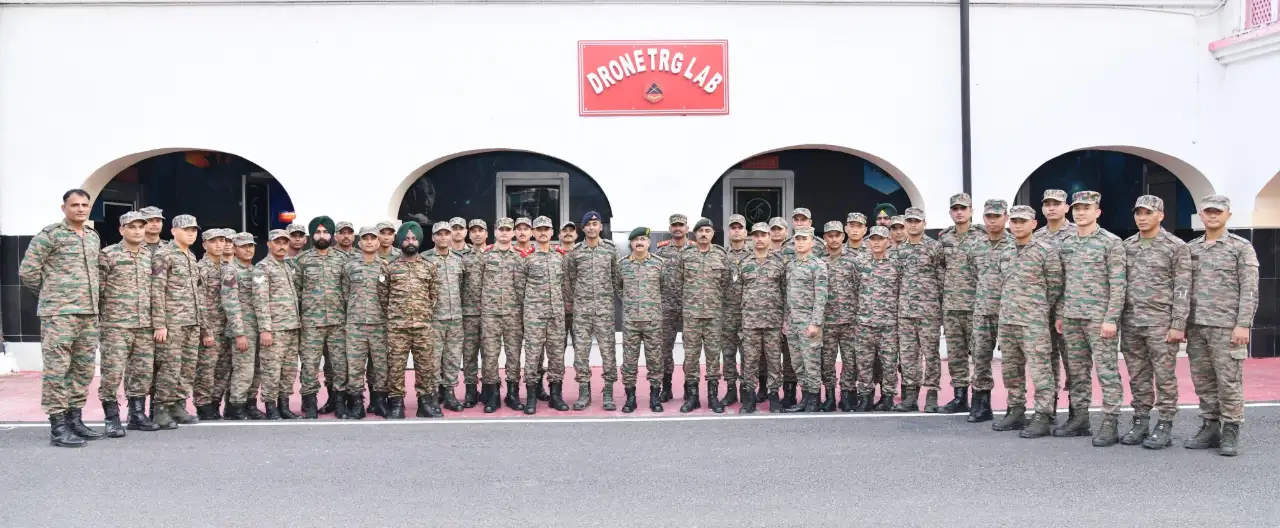
The Junior Leaders Academy’s niche technology laboratories provide a platform for personnel to gain practical exposure to these developments. By bringing together areas such as drones, counter-UAS technologies, AI, robotics, terrain visualisation and geospatial systems, the laboratories offer a broad view of the technological dimensions of modern warfare.
For the NCC personnel, the visit provided an opportunity to move beyond theoretical understanding and gain first-hand exposure to emerging technologies and their potential battlefield applications. Such experiences can contribute to a more contemporary approach to training and instruction.
The emphasis on innovation and technology-enabled operations also reflects the changing nature of military preparedness. Future military personnel are likely to operate in increasingly technology-intensive environments, making awareness of emerging systems an important element of professional development.
The visit to the Junior Leaders Academy therefore served as an important exposure programme for the 40 NCC personnel undergoing the Permanent Instructors Orientation Course. It provided them with insights into emerging technologies while reinforcing the importance of innovation and technological awareness in modern military training.
The engagement ultimately highlighted the growing role of niche technologies in shaping future battlefield applications and the need to familiarise instructors and trainees with these developments. The exposure to the Junior Leaders Academy’s technology laboratories added a technology-focused dimension to the NCC personnel’s professional orientation at Bareilly.