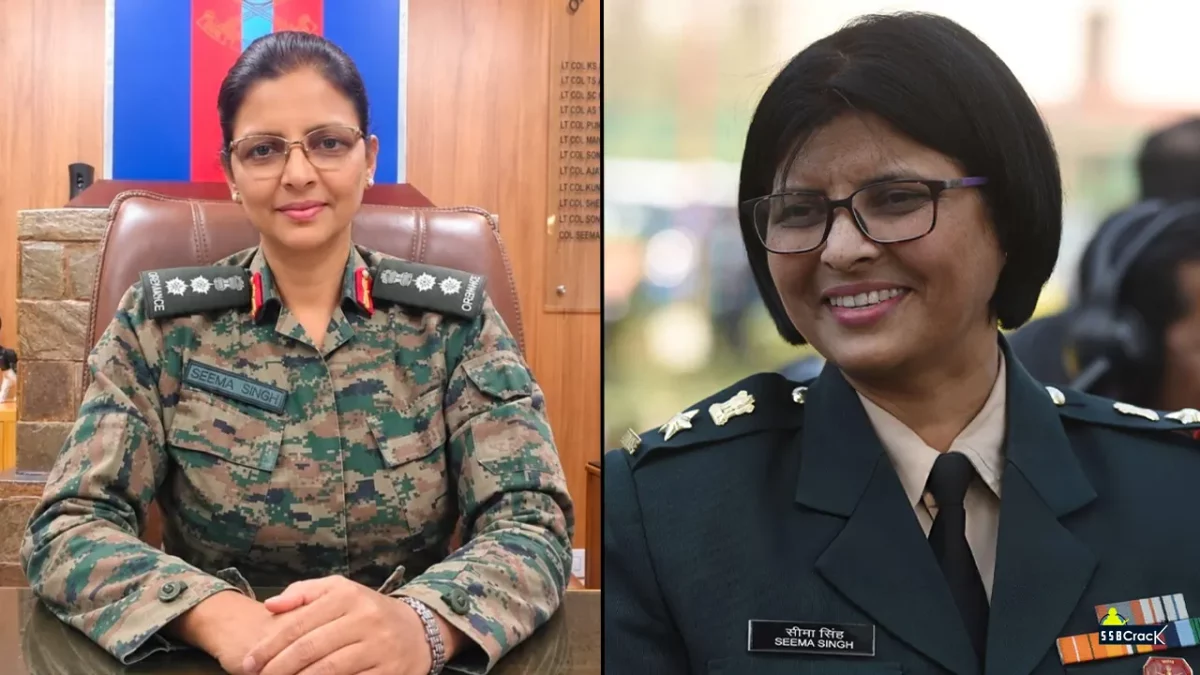
Colonel Seema Singh, one of the Indian Army officers closely associated with the long legal battle for greater equality and permanent commission for women officers, hung up her uniform on Thursday, 1 October 2026, bringing to a close a distinguished military career marked by leadership, perseverance and service.





Her retirement marks the end of a journey that extended well beyond her appointments in uniform. Singh was among the women officers who challenged policies that limited their career progression and sought permanent commission in the Indian Army.
The legal battle stretched over several years. In 2011, the Supreme Court directed the Army to reinstate 11 Short Service Commission women officers, including then Major Seema Singh, while the Army’s appeal against the Delhi High Court’s 2010 permanent commission judgment remained pending.
Singh and other women officers continued pursuing the issue, which eventually culminated in the landmark Supreme Court judgment of February 2020 concerning permanent commission and command opportunities for women officers in the Army. Contemporary reports identified then Lieutenant Colonel Seema Singh as one of the petitioners in the long-running legal battle.
Following the judgment, Singh described the decision as an important step towards gender equality in the Army. The ruling extended the opportunity for permanent commission to eligible women Short Service Commission officers in branches where women were already serving and addressed their consideration for command appointments.
Her contribution, however, was not confined to the courtroom.
As the Commanding Officer of an Ordnance unit, Colonel Seema Singh led soldiers and personnel in an operational and administrative leadership role. According to the farewell tribute marking her retirement, the unit’s performance during her command earned two citations, reflecting the standards achieved by the formation under her leadership.
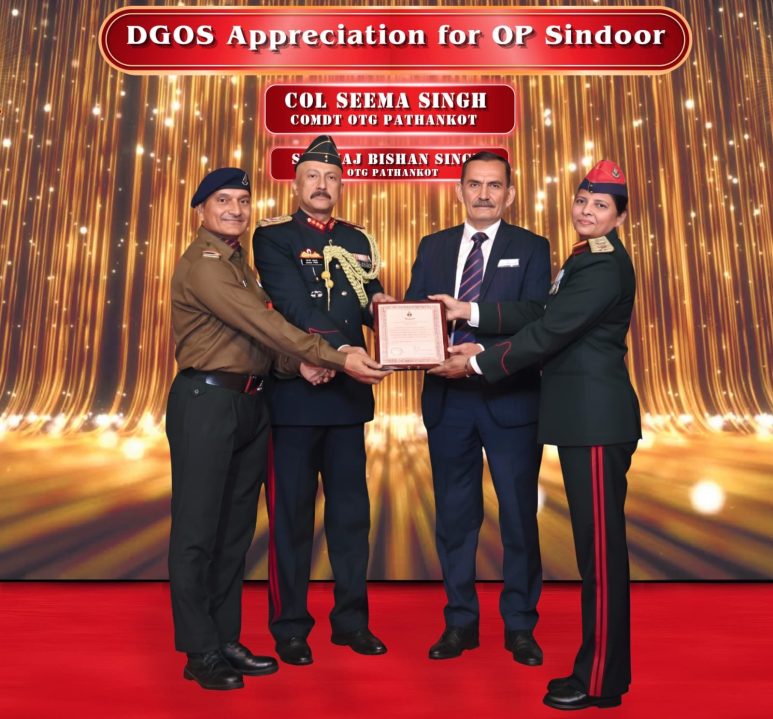
Her career therefore came to represent two different dimensions of military service: commanding and leading within the organisation while also being part of a group of officers who pursued institutional change through the legal process.
The journey was a long one. Accounts published after the 2020 Supreme Court verdict recalled how Singh and her fellow officers had spent years pursuing their case while continuing their professional and personal responsibilities. Singh emphasised that their demand was for gender parity with their male colleagues rather than a confrontation with the institution or fellow officers.
From being identified as Major Seema Singh in the early permanent commission litigation to eventually serving as a Colonel and commanding an Ordnance unit, her career also illustrates the changes that took place in opportunities available to women officers during this period.
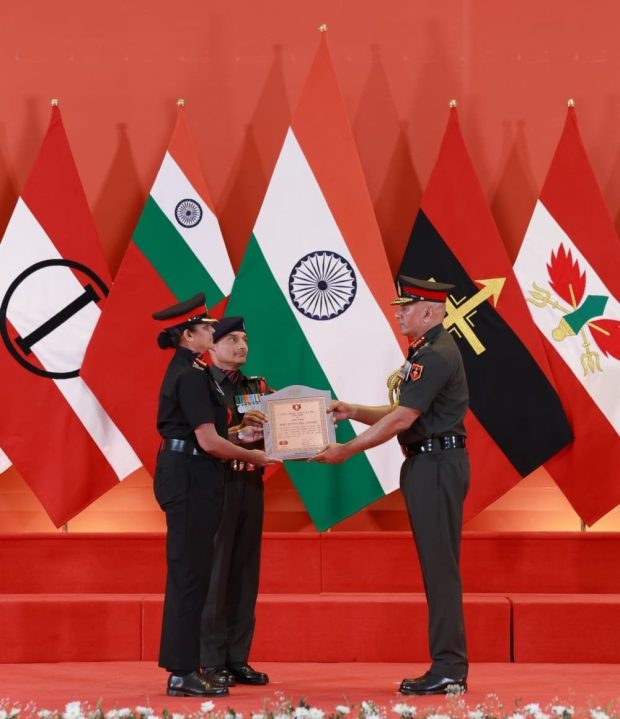
As Colonel Seema Singh leaves active military service, colleagues have remembered her for courage, conviction, compassion and her willingness to stand up for what she believed was right.
Her legacy will remain connected not only with the units and personnel she commanded, but also with a landmark chapter in the history of women officers in the Indian Army.
For the generations of women officers who followed, Colonel Seema Singh’s journey is a reminder that service can take many forms leading troops, strengthening an organisation and having the determination to pursue change through established institutions.
After years in olive green, Colonel Seema Singh now begins a new chapter, leaving behind a career associated with leadership, perseverance and a significant period of transformation for women officers in the Indian Army.