
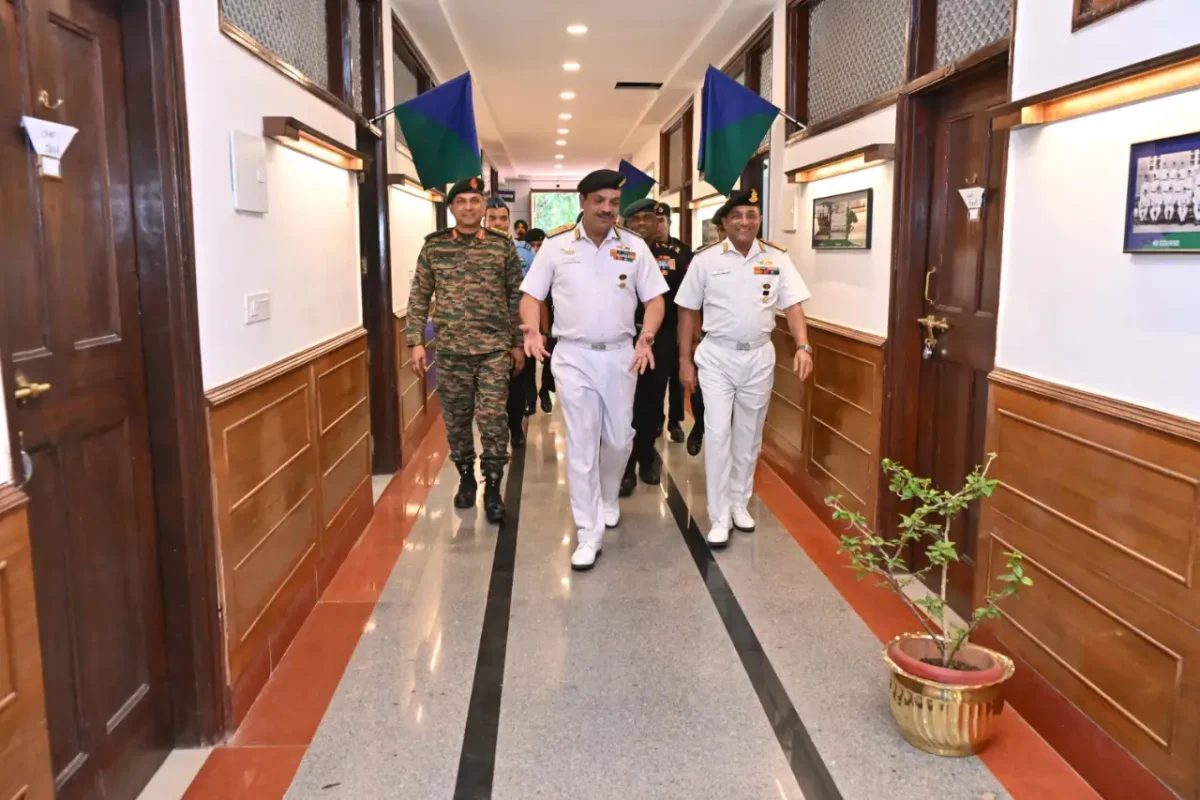
Vice Admiral Rajesh Dhankhar, Deputy Chief of Integrated Defence Staff (Doctrine, Organisation and Training), visited the National Defence Academy (NDA) at Khadakwasla, Pune, where he reviewed training-related matters, ongoing infrastructure development initiatives and upcoming projects aimed at strengthening the Academy’s training capabilities.





During the visit, the senior Indian Navy officer was briefed on the Academy’s training curriculum, ongoing infrastructure upgradation initiatives and various projects related to outdoor training, service-specific instruction and academic education. The briefing also covered the progress of ongoing development works and plans to further enhance the training environment for future officers of the Indian Armed Forces.
The visit provided an opportunity to assess the Academy’s existing training framework and examine initiatives being undertaken to strengthen its infrastructure and instructional capabilities. The discussions focused on various aspects of training and development that contribute to preparing cadets for their future responsibilities as commissioned officers.
As the Deputy Chief of Integrated Defence Staff responsible for Doctrine, Organisation and Training, Vice Admiral Dhankhar holds an important appointment within India’s integrated defence structure. His responsibilities relate to matters concerning military doctrine, organisational development and training, making his visit to the National Defence Academy particularly significant from the perspective of professional military education and joint training.
The National Defence Academy is India’s premier tri-service military training institution, where cadets selected for the Indian Army, Indian Navy and Indian Air Force undergo foundational military and academic training before proceeding to their respective service academies for further professional training.
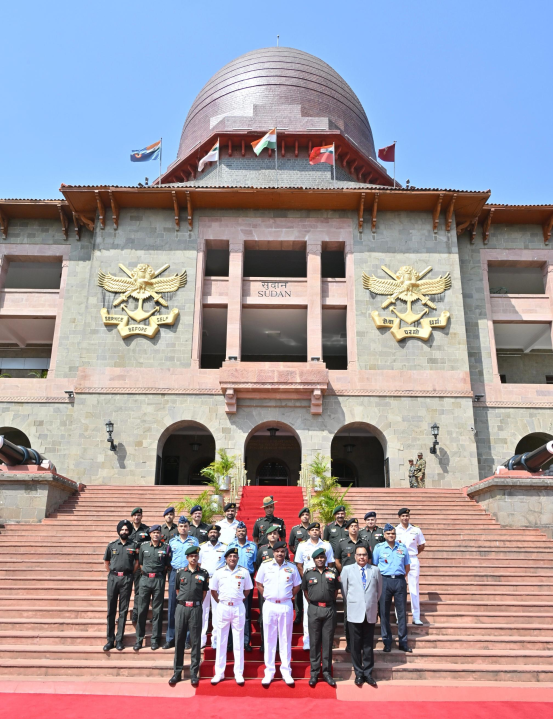
Located at Khadakwasla near Pune, the Academy plays a vital role in developing future military leaders by combining academic education, physical conditioning, military discipline, outdoor activities and leadership development. Its tri-service training environment helps cadets understand the traditions, operational perspectives and professional requirements of the three Armed Forces from an early stage in their careers.
During the briefing, particular attention was given to the Academy’s training curriculum, which is designed to develop the intellectual, physical and leadership capabilities of cadets. The curriculum integrates academic instruction with military training and outdoor activities to prepare young cadets for the demanding responsibilities of military service.
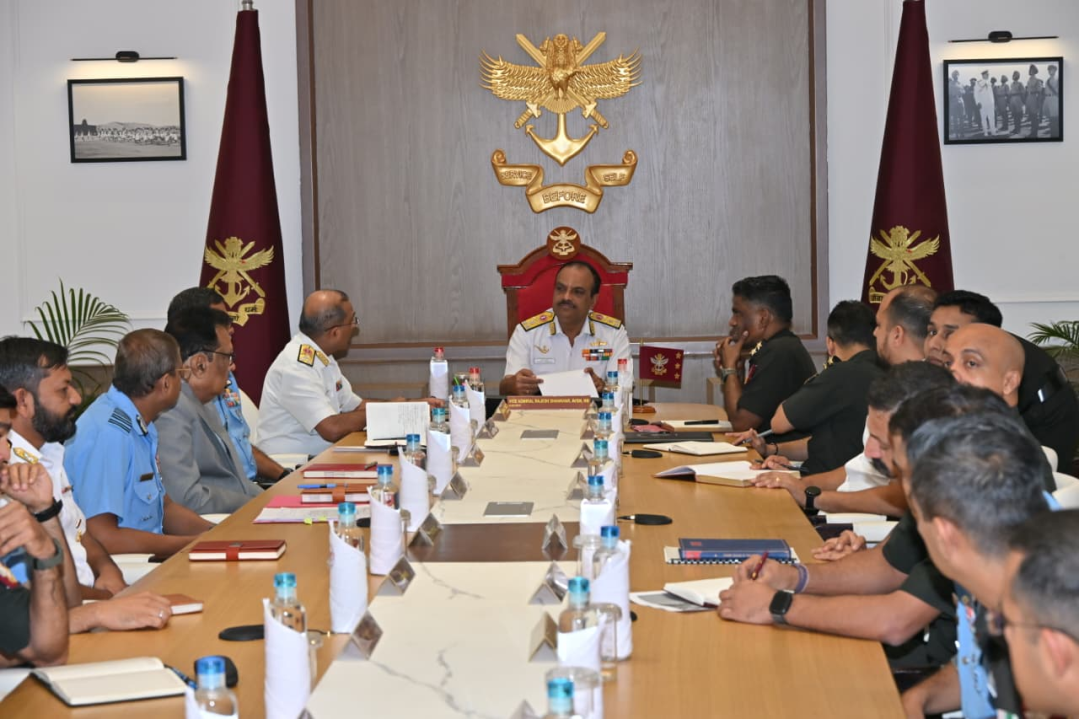
The review of infrastructure upgradation initiatives highlighted the importance of maintaining modern training facilities capable of supporting evolving military education requirements. As defence training increasingly incorporates new technologies, contemporary instructional methods and updated professional standards, infrastructure development remains an important component of institutional readiness.
Vice Admiral Dhankhar was also briefed on upcoming projects associated with outdoor training, service training and academic instruction. These projects are intended to support different aspects of cadet development and strengthen the facilities available for training activities at the Academy.
Outdoor training forms an essential part of the NDA’s training programme, helping cadets develop physical endurance, resilience, teamwork, confidence and leadership qualities. Activities conducted in challenging environments contribute to preparing future officers for the physical and mental demands of military life.
Service-related training introduces cadets to the foundational requirements of their respective Armed Forces while preserving the Academy’s emphasis on joint training and inter-service understanding. This approach is particularly important as the Indian Armed Forces continue to strengthen jointness and coordination among the Army, Navy and Air Force.
Academic training remains another central pillar of the NDA’s educational framework. Alongside military instruction, cadets receive structured academic education intended to develop analytical thinking, intellectual discipline and the knowledge required for their future professional responsibilities.
The briefing on ongoing development works also provided an overview of infrastructure improvements and projects being undertaken to support the Academy’s training activities. Such initiatives contribute to maintaining the institution’s ability to provide a comprehensive and effective learning environment for cadets.
The visit comes against the broader backdrop of the Indian Armed Forces’ continued emphasis on modernisation, integrated training and the development of future-ready military leadership. Training institutions such as the National Defence Academy remain central to these efforts by preparing young officers who will eventually serve in operational, administrative and leadership appointments across the three services.
The Academy’s tri-service character is especially important in promoting a shared understanding of military responsibilities and encouraging cooperation among future Army, Navy and Air Force officers. Early exposure to a common training environment helps establish professional relationships and mutual understanding that can support inter-service coordination throughout their careers.
Vice Admiral Rajesh Dhankhar’s visit underscored the importance of regularly reviewing military training systems, assessing infrastructure requirements and ensuring that institutional development remains aligned with the evolving needs of the Armed Forces.
The interaction and briefings at the National Defence Academy reflected the continued focus on strengthening training standards, improving institutional infrastructure and preparing future military leaders through a combination of academic excellence, professional military instruction and character development.
The visit reaffirmed the importance of the National Defence Academy as a cornerstone of India’s military officer training system and highlighted ongoing efforts to enhance its capabilities in preparing disciplined, capable and professionally competent officers for the Indian Armed Forces.