

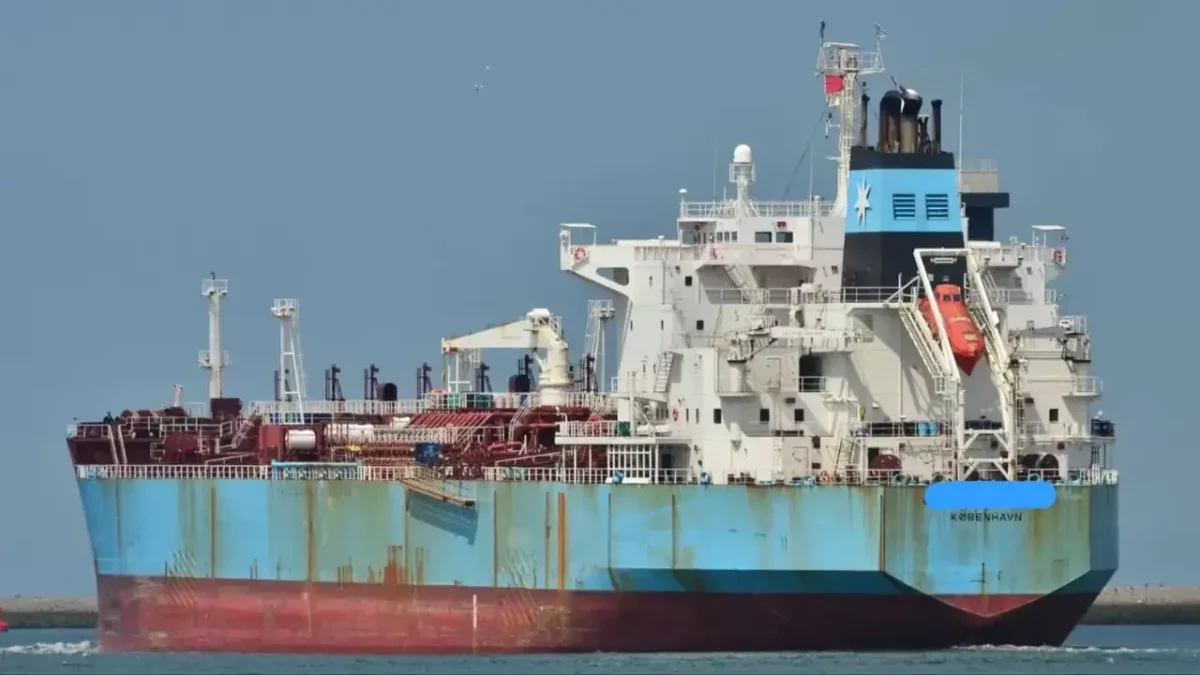
The Indian Coast Guard has successfully disrupted an international oil cargo smuggling syndicate in a high-risk mid-sea operation, exposing a sophisticated network involved in illicit transfer of oil and oil-based cargo in international waters.



The operation was carried out around 100 nautical miles west of Mumbai on Thursday, where three suspect vessels were intercepted following intelligence-led surveillance. According to officials, the syndicate operated a complex sea-to-sea transfer mechanism, sourcing cheap oil from conflict-affected regions and transferring it mid-sea to motor tankers to evade duties and coastal state regulations.
Digital Intelligence Leads to Interception
The breakthrough came through advanced digital surveillance, electronic tracking and data pattern analysis conducted by the Indian Coast Guard. A motor tanker displaying suspicious behaviour within India’s Exclusive Economic Zone (EEZ) triggered a deeper digital probe, which revealed links to additional vessels potentially involved in the smuggling operation.
This digital trail enabled ICG units to identify and intercept two more vessels, confirming the existence of a coordinated, multi-vessel operation aimed at bypassing customs controls.
Boarding, Evidence Collection and Detention
Specialist ICG boarding teams carried out sustained rummaging operations onboard the intercepted vessels. Investigators corroborated electronic data, verified shipping documents and conducted crew interrogations to establish the sequence of events and the criminals’ modus operandi.
Officials said the operation demonstrated the Coast Guard’s ability to seamlessly integrate onboard evidence with digital intelligence, allowing investigators to reconstruct a coherent narrative of illicit maritime activity.
Following verification, all three vessels were detained for further legal action and are expected to be escorted to Mumbai for a detailed investigation. The vessels will be handed over to Indian Customs and other law enforcement agencies for subsequent proceedings.
Transnational Network Under Scanner
Preliminary findings indicate that the owners of the vessels are based in foreign jurisdictions, reinforcing the transnational nature of the smuggling syndicate. Authorities noted deliberate attempts to disguise vessel identities, a tactic commonly used by international maritime crime networks.
Maritime Security and Rule-Based Order
The Indian Coast Guard stated that the operation reflects India’s growing capability to detect, investigate and suppress illicit maritime activity through a robust digital surveillance framework supported by sustained presence at sea.
Officials emphasised that the successful interdiction underscores India’s commitment to maritime safety, protection of coastal state revenue, and enforcement of a rules-based international maritime order, while sending a strong deterrent message to transnational smuggling networks operating in the region.