

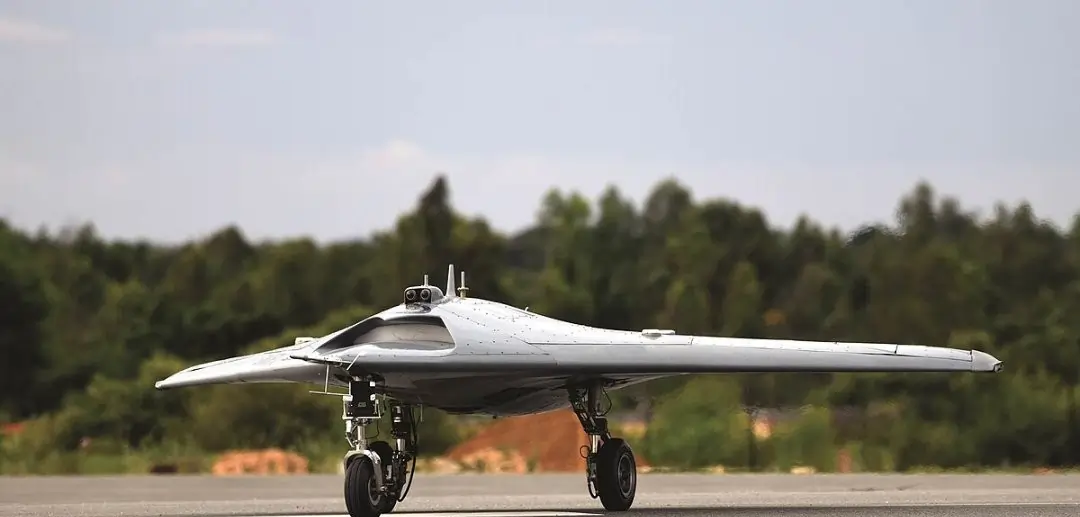
India’s indigenous stealth combat drone programme Ghatak has received a major boost after the Defence Procurement Board (DPB) recommended moving forward with a proposal to procure 60 unmanned combat aerial vehicles (UCAVs) for the armed forces.





Developed by the Defence Research and Development Organisation (DRDO), Ghatak is envisioned as a stealth-capable flying-wing UCAV designed to penetrate heavily defended airspace and strike high-value targets without putting pilots at risk. The platform features a low radar cross-section and internal weapon carriage, enabling it to carry precision-guided munitions for deep-strike missions.
Once operational, the drone will be capable of conducting suppression and destruction of enemy air defences, including radar installations and missile systems, as well as precision strikes on strategic infrastructure. The system is expected to operate autonomously or in coordination with manned aircraft, forming part of a future network-centric combat architecture.
The programme builds on DRDO’s Autonomous Flying Wing Technology Demonstrator, which successfully completed flight trials in December 2023 at the Aeronautical Test Range in Chitradurga, Karnataka. The prototype showcased autonomous landing capability without ground radar assistance, allowing operations from runways using surveyed coordinates.
The high-speed UAV, developed by DRDO’s Aeronautical Development Establishment, also demonstrated the use of indigenously developed lightweight carbon composite structures integrated with health-monitoring sensors.
Indian Air Force Chief Air Chief Marshal A.P. Singh has previously emphasised that while unmanned systems will not replace manned fighter jets in the near future, platforms such as Ghatak will play a critical role in future force structures under the IAF’s Vision 2047 roadmap.
The development marks a significant step in strengthening India’s indigenous unmanned combat capabilities and stealth strike potential as part of its evolving defence modernisation strategy.