

In the Indian Air Force (IAF), few qualifications carry the prestige and responsibility of the Category-A (Cat-A) Qualified Flying Instructor (QFI). This elite designation represents the highest level of instructional mastery in military aviation, reserved for pilots who combine exceptional flying proficiency, advanced pedagogical skills, operational experience, and the ability to shape the next generation of air warriors.

Cat-A QFIs are not merely instructors; they are the custodians of flying standards, standardization, and flight safety across the force. Their role is critical to maintaining the IAF’s operational readiness and professional excellence.
Evolution of the QFI Grading System
The IAF’s system for categorizing flying instructors has undergone significant refinement over decades.
Until the early 2000s, the grading structure was more granular and closely modelled on the United Kingdom’s Central Flying School (CFS) system. It comprised five tiers:
- Cat C — Probationary instructor.
- B2 — Demonstrating the makings of a good instructor.
- B1 — Capable instructor.
- A2 — Very capable and skillful instructor with considerable experience.
- A1 — Instructor of exceptional ability, skill, and experience (the ultimate pinnacle).
Only A1 instructors possessed the authority to categorize another pilot to A1 level. In the IAF’s history, just 38 officers ever achieved this rare A1 distinction.
In the early 2000s, the IAF streamlined the system into three streamlined categories: Cat C, Cat B, and Cat A. Under the modern framework, Cat-A stands as the absolute highest qualification. It signifies an instructor of outstanding calibre capable of training ab-initio pilots through all phases of flight training and mentoring junior instructors. This simplification preserved rigour while aligning with contemporary operational needs.
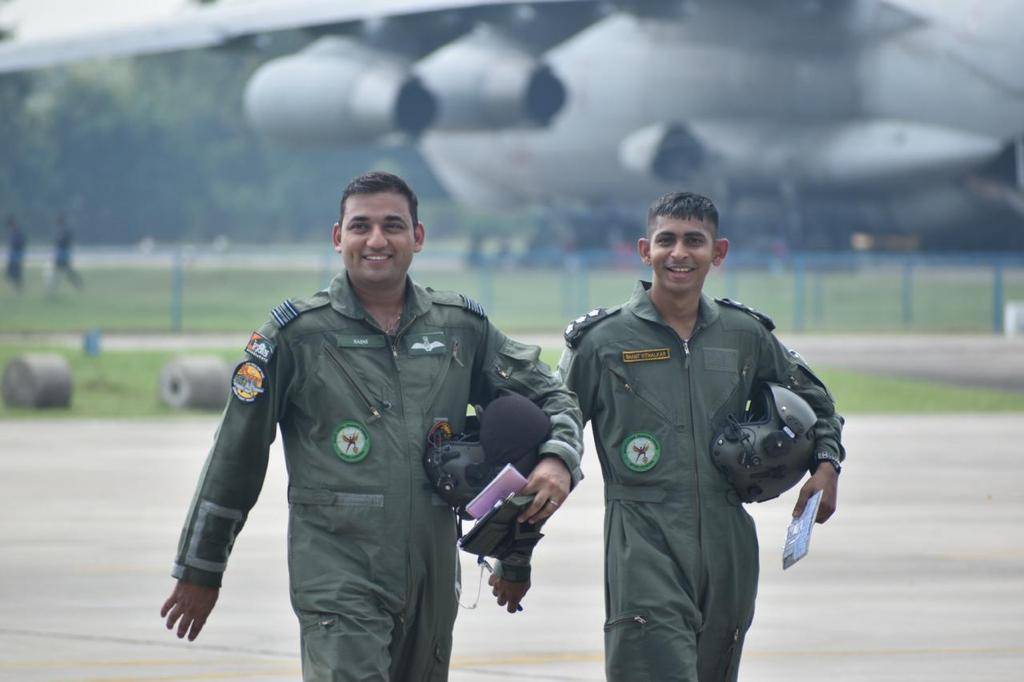
The Flying Instructors School (FIS) — The Cradle of QFI Excellence
All pathways to QFI qualification, including Cat-A, begin at the Flying Instructors School (FIS) located at Air Force Station Tambaram, near Chennai, Tamil Nadu.
Established on 1 April 1948 at Ambala Air Force Station, the FIS relocated to Tambaram in 1954 to support expanded training requirements. Its enduring motto, “Vidya Danena Vardhate” (“Knowledge multiplies when disseminated”), drawn from Chanakya’s Arthashastra, encapsulates its educational philosophy.
The FIS conducts the Qualified Flying Instructors Course (QFIC) and serves as the sole institution authorised to award QFI qualifications and categories. It trains pilots not only from the Indian Air Force but also from the Indian Army, Indian Navy, Indian Coast Guard, and friendly foreign nations. This multi-service and international character underscores the school’s reputation as a centre of excellence in military flight instruction.
The Rigorous Path to Cat-A QFI Status
Becoming a Cat-A QFI is a multi-year journey of selection, intensive training, and sustained professional excellence:
- Selection
Only experienced operational pilots with outstanding flying records and demonstrated instructional potential are nominated for the FIS course. - The QFIC Programme
The course is a demanding 22-week programme that integrates ten intensive phases of flying training with more than 200 hours of ground school and academics. It emphasises advanced instructional techniques, mistake analysis, standardisation, flight safety protocols, and pedagogical methods. Regular assessments and tests ensure only the most capable candidates graduate. - Initial Qualification
Upon successful completion, graduates are awarded the QFI badge, typically commencing at a lower category (commonly Cat-C). - Progression to Cat-A
Advancement to Cat-A is highly selective and not automatic. It requires hundreds of additional instructional flying hours, consistent superior performance evaluations, demonstrated excellence in training outcomes, and the proven ability to develop other instructors. Cat-A status is conferred only upon those who have established themselves as master educators within the IAF’s training ecosystem.
Core Responsibilities of a Cat-A QFI
Cat-A QFIs shoulder responsibilities that directly influence the IAF’s combat effectiveness and safety culture:
- Training ab-initio pilots across basic, intermediate, and advanced flying phases.
- Ensuring standardisation of flying techniques, procedures, and safety standards throughout operational squadrons and training units.
- Assessing, mentoring, and graduating the next generation of Qualified Flying Instructors.
- Contributing to flight safety initiatives and the continuous professional development of aircrew.
- Upholding the highest standards of instructional integrity and operational discipline.
Their influence extends beyond the classroom and cockpit, shaping the professional ethos of the entire force.
Training Aircraft and Instructional Environment
FIS training utilises a range of aircraft suited to different instructional phases. The Pilatus PC-7 Mk II, a modern turboprop basic trainer equipped with a glass cockpit and advanced avionics, forms a cornerstone of current basic training at the school and across the IAF’s training pipeline. Historical aircraft used at FIS have included the HT-2, HJT-16 Kiran, and HPT-32 Deepak, alongside helicopters such as the Cheetah and Chetak for rotary-wing instruction.
Instructors at FIS are qualified across relevant types, enabling them to impart comprehensive skills from foundational airmanship to advanced handling and instructional techniques.
Notable Milestones and Trailblazers
Several distinguished officers have held Cat-A QFI status, including former Chief of the Air Staff Air Chief Marshal Arup Raha.
The qualification has also witnessed important diversity milestones:
- Squadron Leader Shalija Dhami (also referred to as Shaliza Dhami) was among the first women to qualify as a QFI.
- In 2025, Squadron Leader Shivangi Singh became the first woman fighter pilot to earn the QFI badge.
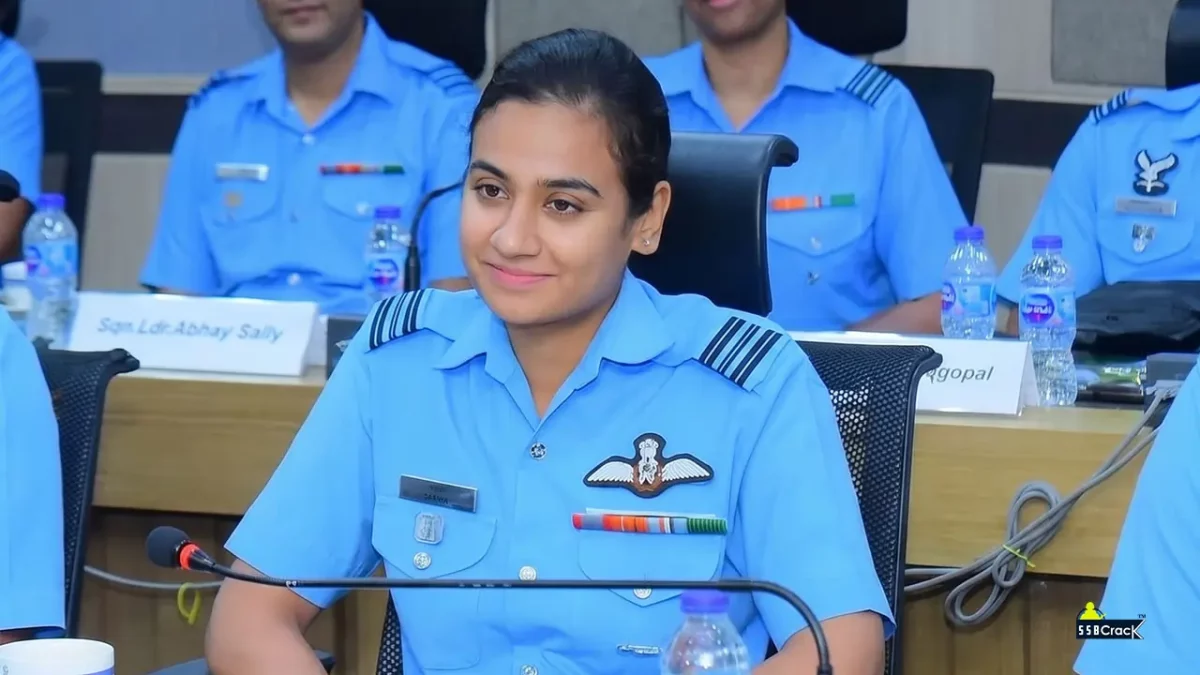
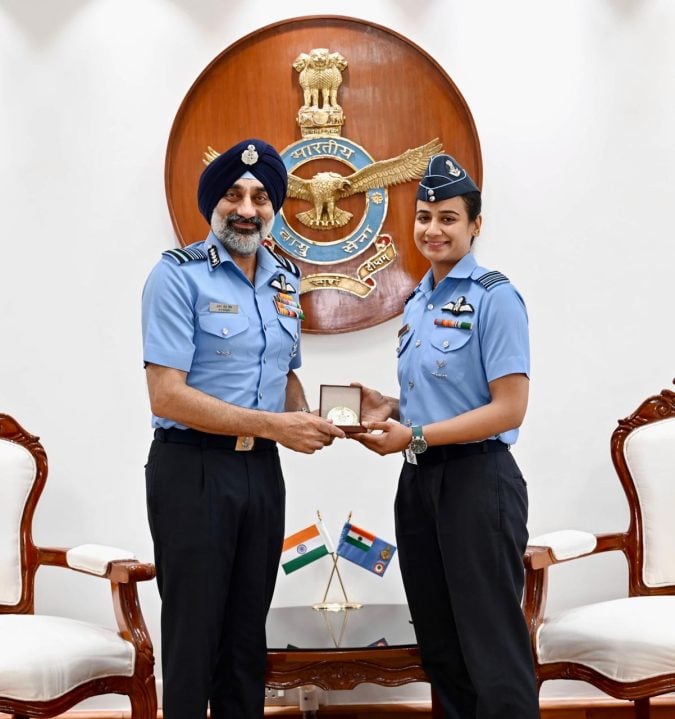
- On or around 18 May 2026, Squadron Leader Saanya achieved a historic breakthrough by becoming the first woman officer in the Indian Air Force to attain the prestigious Cat-A QFI qualification. This landmark accomplishment, recognised by the IAF, reflects the growing role of women officers in the most demanding instructional and operational appointments.
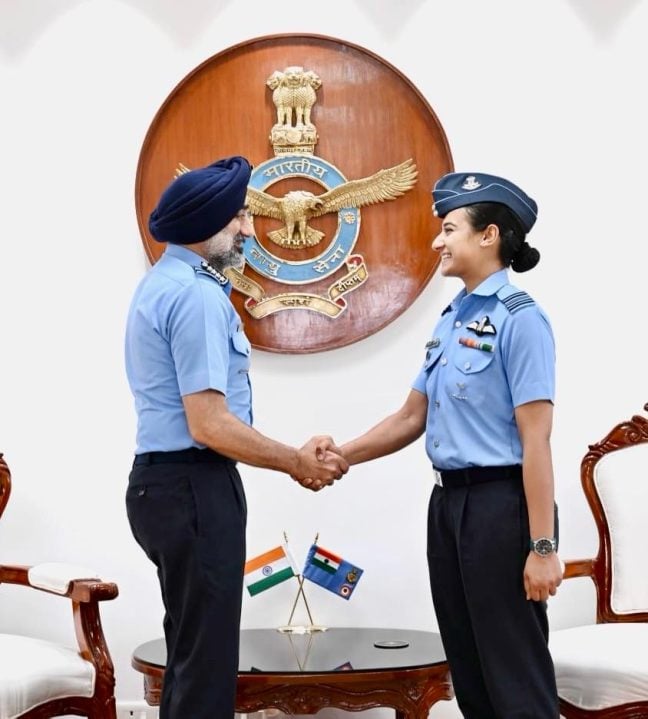
These achievements highlight both the exclusivity of Cat-A status and the IAF’s commitment to merit-based progression.
Strategic Significance
Cat-A QFIs are force multipliers. By producing high-quality instructors and maintaining rigorous standards, they directly enhance pilot proficiency, reduce training attrition, and strengthen flight safety. Their expertise also supports international cooperation; in recent years, IAF QFIs have been deployed to train Royal Air Force pilots in the United Kingdom, demonstrating the global recognition of Indian instructional standards.
In an era of rapidly evolving aircraft technology and complex operational environments, the role of the Cat-A QFI remains indispensable. These officers ensure that every new generation of IAF pilots inherits not only technical competence but also the professional values and safety culture that define the service.
Conclusion
The Cat-A Qualified Flying Instructor represents the zenith of instructional achievement in the Indian Air Force. Through a demanding selection process, rigorous training at the historic FIS Tambaram, and years of demonstrated excellence, these officers uphold the highest traditions of military aviation education.
As the IAF continues to modernise and expand its capabilities, the Cat-A QFI will remain a cornerstone of its training architecture — shaping skilled, disciplined, and safety-conscious aviators who safeguard the nation’s skies.