

The Royal Navy is preparing for a possible mine-clearing mission in the strategically critical Strait of Hormuz amid escalating tensions linked to the ongoing conflict involving Iran.




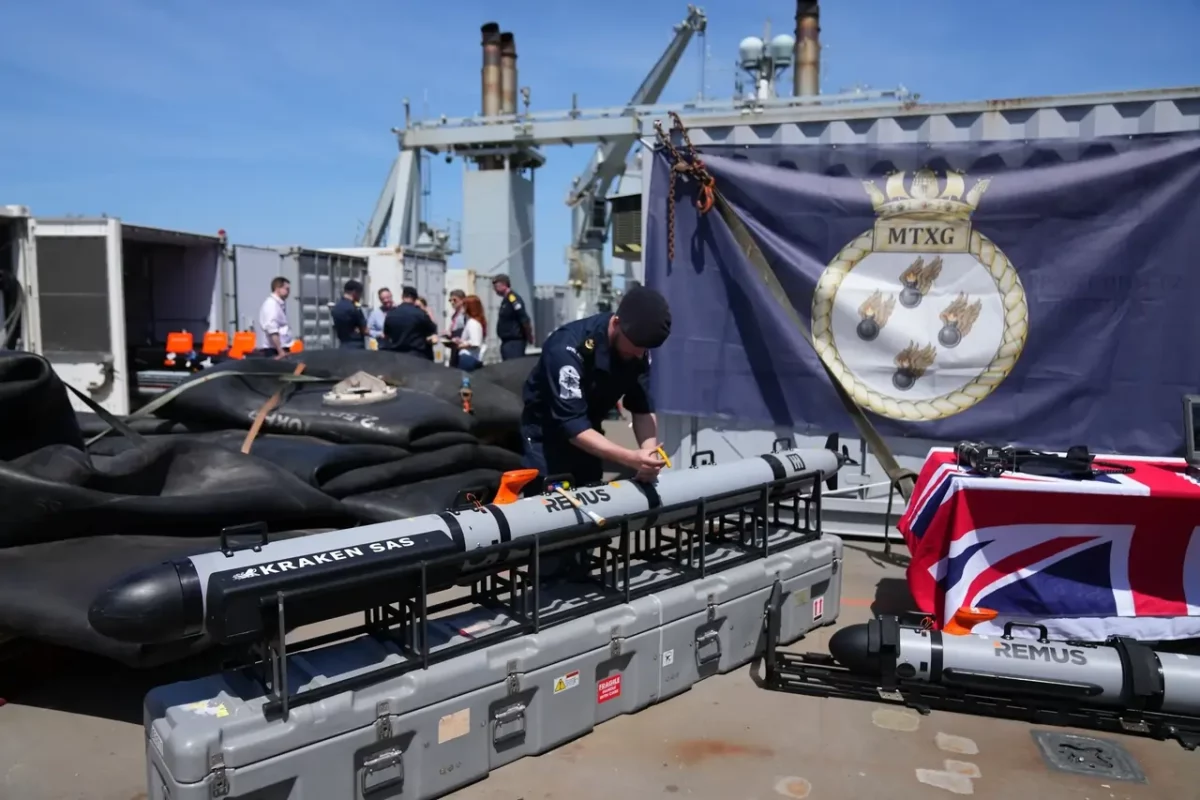
Aboard the Royal Fleet Auxiliary vessel RFA Lyme Bay near Gibraltar, British sailors and mine warfare specialists are reportedly on standby for a potential international operation led jointly by the United Kingdom and France to secure the vital shipping corridor once a peace agreement is finalised.
The preparations come after hostilities in the region disrupted maritime traffic through the Strait of Hormuz — a key route for global oil, natural gas, and commercial shipping.
According to British officials, the RFA Lyme Bay is being equipped with ammunition, autonomous mine-hunting sea drones, sonar systems, and remotely operated underwater vehicles capable of identifying and neutralising naval mines.
British Armed Forces Minister Al Carns stated that the operation aims to restore safe navigation through the strait and reassure commercial shipping companies and insurers.
The vessel is expected to operate alongside the destroyer HMS Dragon and allied naval assets, with the mission potentially involving more than 40 nations in maritime coordination efforts.
Military officials indicated that autonomous underwater systems would play a major role in detecting and clearing possible Iranian naval mines while minimising risk to personnel.
Commanding officer Gemma Britton of the Royal Navy’s Mine and Threat Exploitation Group explained that the operation could involve clearing transit lanes for thousands of blocked commercial vessels before broader mine-clearing efforts begin.
Officials noted that it remains unclear whether mines have actually been deployed in the strait or whether the mission will eventually be activated, as its execution depends on the outcome of ongoing diplomatic negotiations involving the United States, Iran, Israel, and regional allies.
US President Donald Trump has reportedly urged allies to take greater responsibility for securing regional maritime routes, particularly after global shipping and energy markets were disrupted by the crisis.
The Strait of Hormuz remains one of the world’s most strategically important maritime chokepoints, carrying a significant share of global oil exports and international trade.