
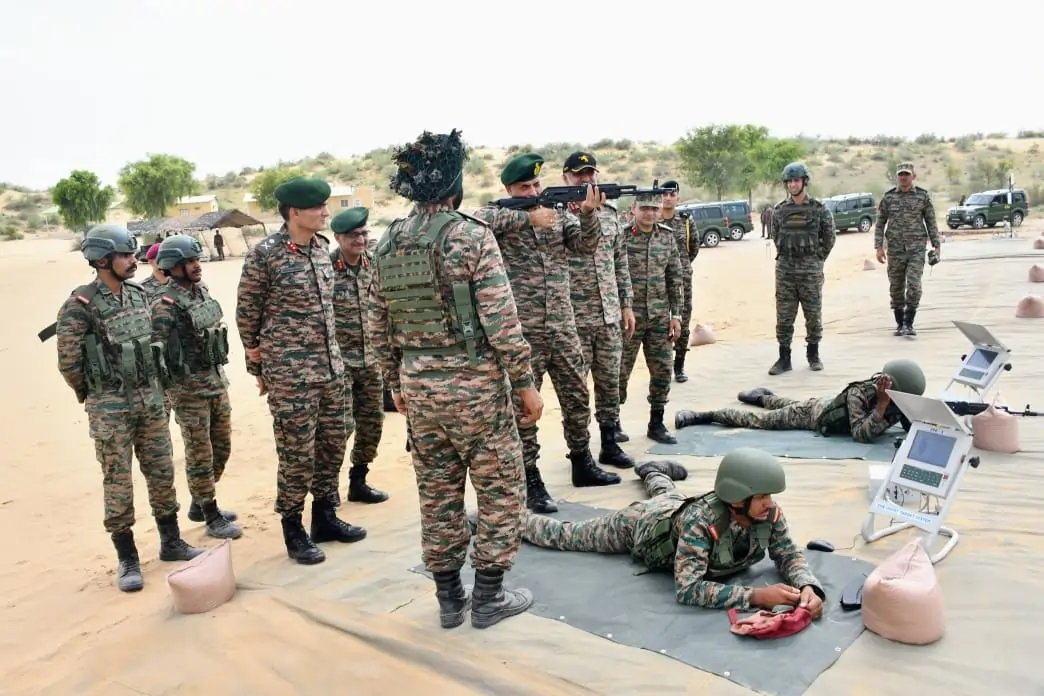
Lieutenant General Mohit Malhotra, AVSM, SM, General Officer Commanding-in-Chief (GOC-in-C) of the Indian Army’s Sapta Shakti Command, visited the MFFR, Sadolai Desert Battle School and Ranbankura Division to review their operational preparedness and ongoing training activities. The visit highlighted the Indian Army’s continued focus on strengthening combat capabilities through mission-oriented training, technological adaptation and professional excellence to meet the demands of contemporary and future battlefields.





During the visit, Lt Gen Mohit Malhotra was briefed on the operational readiness of the formations and the specialised training programmes being conducted to enhance the professional competencies of personnel. The Army Commander reviewed various initiatives aimed at maintaining high standards of combat preparedness and ensuring that troops remain capable of operating effectively across diverse operational scenarios.
Particular emphasis was placed on mission-oriented training methodologies that are designed to equip personnel with the skills and adaptability required for modern military operations. The Indian Army has consistently prioritised realistic and specialised training as an essential component of operational effectiveness, recognising that future conflicts will increasingly demand agile, technologically proficient and highly disciplined military leaders and soldiers.
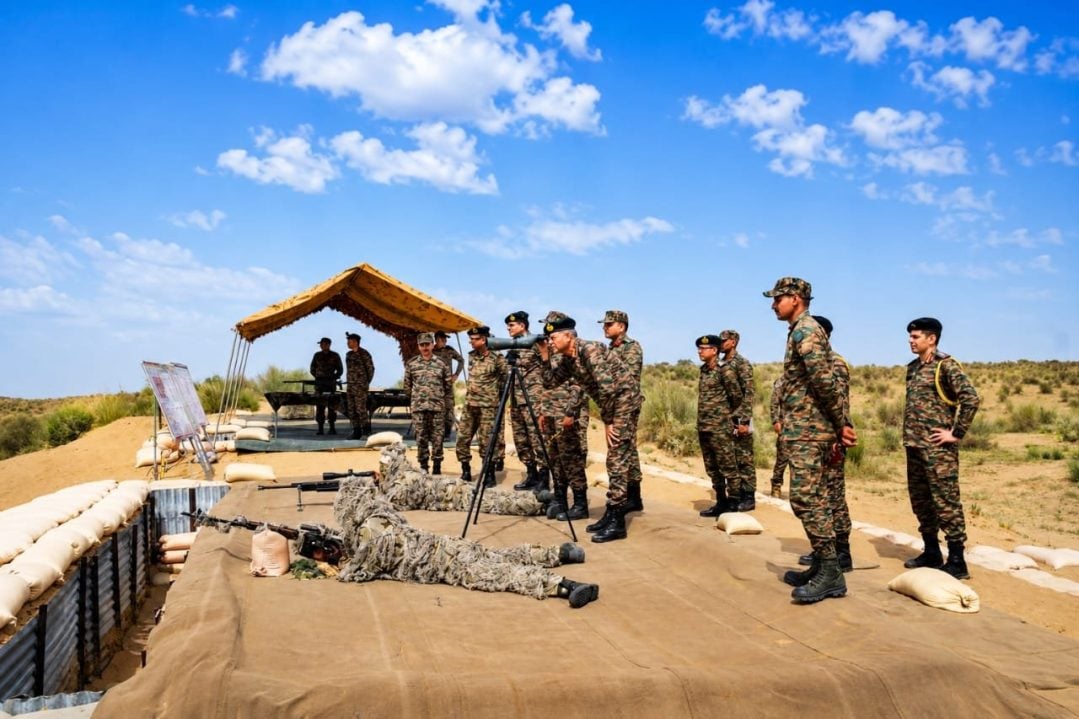
The Sadolai Desert Battle School plays an important role in imparting specialised training for operations in desert terrain, enabling troops to master the unique tactical and logistical challenges associated with such environments. Through rigorous field exercises and realistic operational simulations, the institution contributes significantly towards enhancing the combat capabilities of personnel deployed in the Western theatre.
Lt Gen Malhotra also reviewed the preparedness of the Ranbankura Division and assessed the measures being undertaken to sustain high levels of operational readiness. Continuous capability enhancement remains central to the Indian Army’s broader modernisation efforts, ensuring that frontline formations remain prepared to effectively address both conventional and emerging security challenges.
Interacting with instructors and trainees, the Army Commander commended them for their professionalism, dedication and commitment to excellence in military training. He acknowledged the invaluable contribution of instructors in shaping competent and confident military professionals capable of leading and operating effectively in demanding environments. Their role, he observed, remains fundamental to maintaining the Indian Army’s tradition of operational excellence.
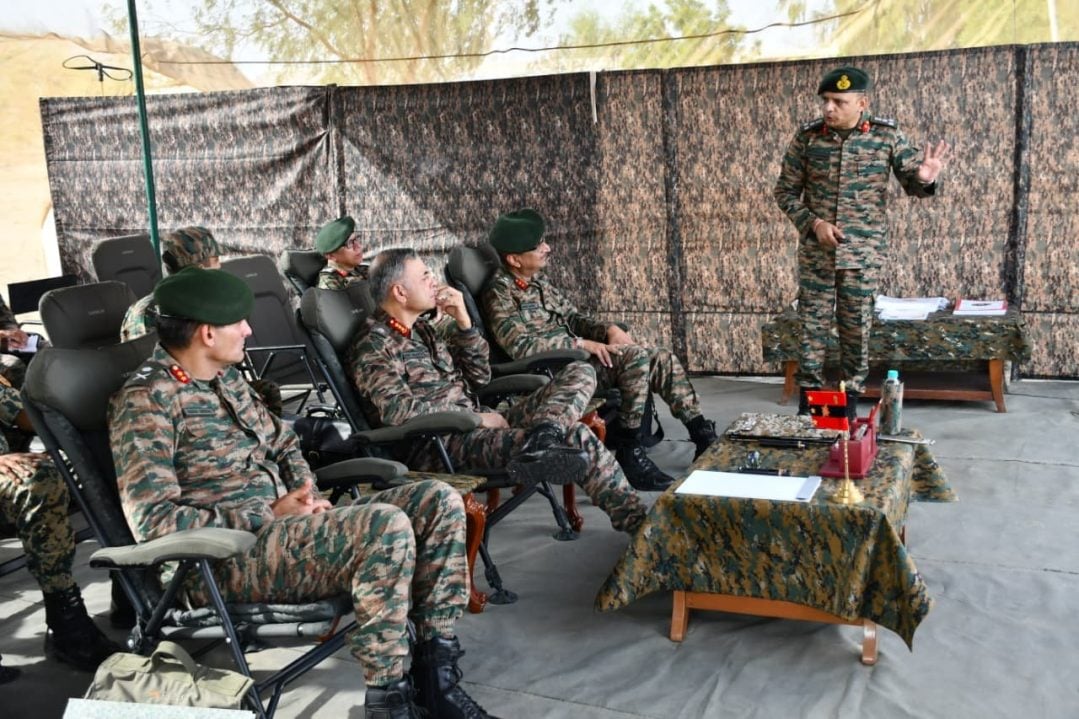
Addressing the personnel, Lt Gen Mohit Malhotra reaffirmed that mission-oriented training, steadfast discipline and continuous learning constitute the foundation of a future-ready force. He emphasised that military success in an increasingly complex security environment requires not only physical and tactical proficiency but also intellectual adaptability and a commitment to lifelong professional development.
The Army Commander highlighted the importance of fostering a culture of innovation and continuous improvement across all levels of military leadership and training institutions. He noted that the evolving character of warfare necessitates the seamless integration of emerging technologies, adaptive training practices and robust leadership capabilities to preserve operational superiority in future conflicts.
Lt Gen Malhotra encouraged all ranks to remain committed to professional excellence and to continually strengthen their competencies through disciplined training and experiential learning. He emphasised that preparedness for future operational challenges demands sustained investments in both human capital and institutional capabilities.
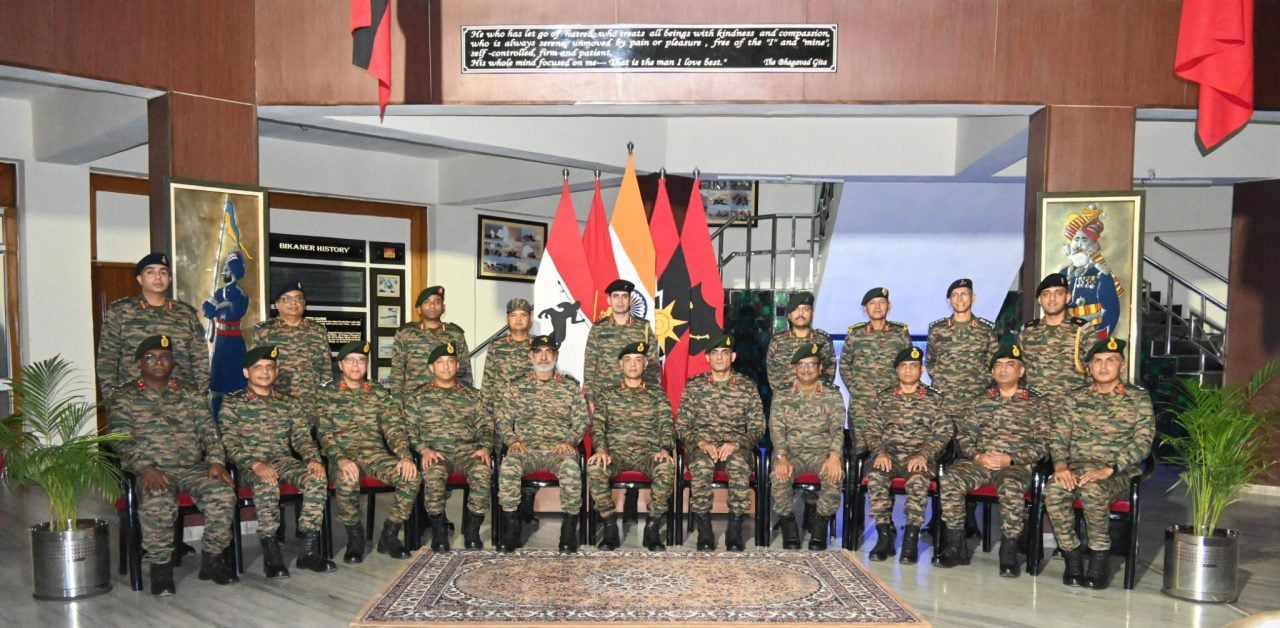
The visit reflects Sapta Shakti Command’s continued emphasis on developing combat-ready and future-oriented formations capable of responding effectively to dynamic operational requirements. By integrating mission-focused training with technological advancement and leadership development, the Indian Army continues to strengthen its ability to safeguard national interests across diverse theatres of operation.
Through their unwavering dedication to training and operational excellence, the personnel of the MFFR, Sadolai Desert Battle School and Ranbankura Division continue to exemplify the highest traditions of military professionalism while contributing significantly towards the Indian Army’s vision of building a technologically advanced, mission-ready and future-ready force.