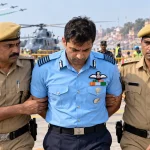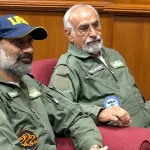

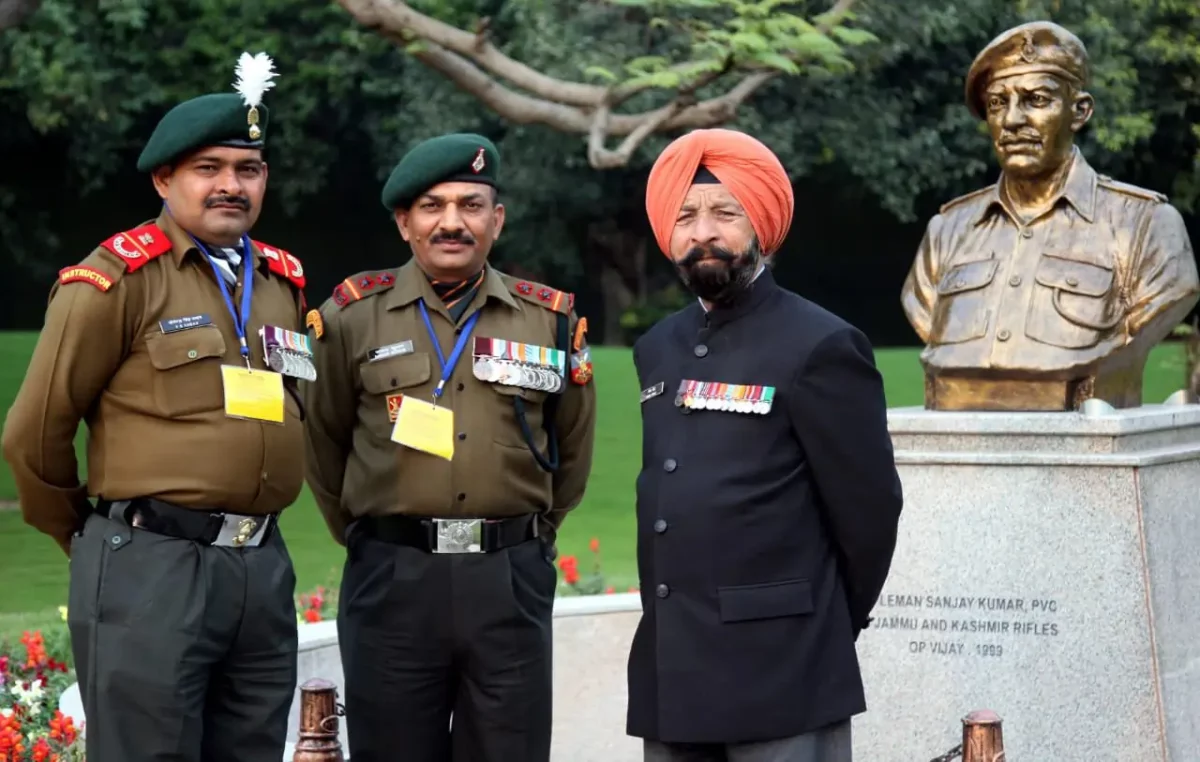
Chandigarh: Two of India’s three living Param Vir Chakra awardees, Honorary Captain Bana Singh and Honorary Captain Yogendra Singh Yadav, have voiced strong support for students demanding accountability in the alleged NEET paper leak case, urging the government to engage in meaningful dialogue instead of using force against protesters.





Speaking to The Times of India, both decorated war heroes stressed that democratic societies are strengthened through communication rather than confrontation. They appealed to the authorities to listen to the concerns of students and avoid measures such as baton charges that could further escalate tensions.
Honorary Captain Bana Singh, a legendary Siachen hero and recipient of the Param Vir Chakra for his extraordinary bravery during Operation Rajiv in 1987, emphasized that force cannot solve every conflict. Quoting a popular saying, he remarked, “Agg lage baarish nahi paindi te na hi paani aae (Rain does not start falling simply because fire has already broken out).” He explained that young students represent the future of the nation and deserve to be heard instead of being met with violence.
The 77-year-old veteran warned that the government should not allow the crisis to worsen. According to him, the students carrying books today will shoulder India’s responsibilities tomorrow, making it essential to respect their voices and address their concerns through dialogue.
Honorary Captain Yogendra Singh Yadav, the youngest Param Vir Chakra recipient and widely known as the “Tiger of Tiger Hill” for his heroics during the Kargil War, said he understood the emotions and frustrations of young people because of his extensive work with children over the past four years.
Drawing a comparison between governance and family, Yadav said that when children in a household are upset, it is the responsibility of the father to sit down, listen, and speak with them. In the same way, he said, governments should engage with students instead of responding with force.
Both veterans maintained that democracy is strongest when conversation replaces confrontation.
Bana Singh further described the alleged NEET paper leak as more than just an administrative lapse. He said the incident had dealt a severe blow to the morale of lakhs of students who spend years preparing for competitive examinations. He urged the government to remain vigilant to ensure that such incidents do not recur.
Responding to questions about students demanding the resignation of Union Education Minister Dharmendra Pradhan, Yogendra Singh Yadav refrained from making political comments but reiterated that dialogue should be the government’s first response. At the same time, he appealed to students to ensure that their protests remain peaceful.
Highlighting the importance of listening, Yadav said true courage lies not only in speaking but also in hearing people’s concerns and trusting the country’s youth. He described the ongoing student demonstrations as evidence of a generation that deeply cares about India’s future.
According to Yadav, the frustration seen on the streets stems from broader structural issues affecting the education system, including recurring paper leaks, unemployment, and an academic framework that often rewards degrees without adequately equipping students with practical skills.
He concluded by expressing confidence in India’s younger generation, saying that the nation’s youth are not the problem but its greatest hope.