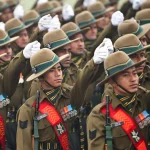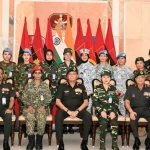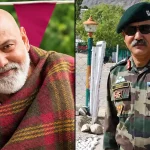

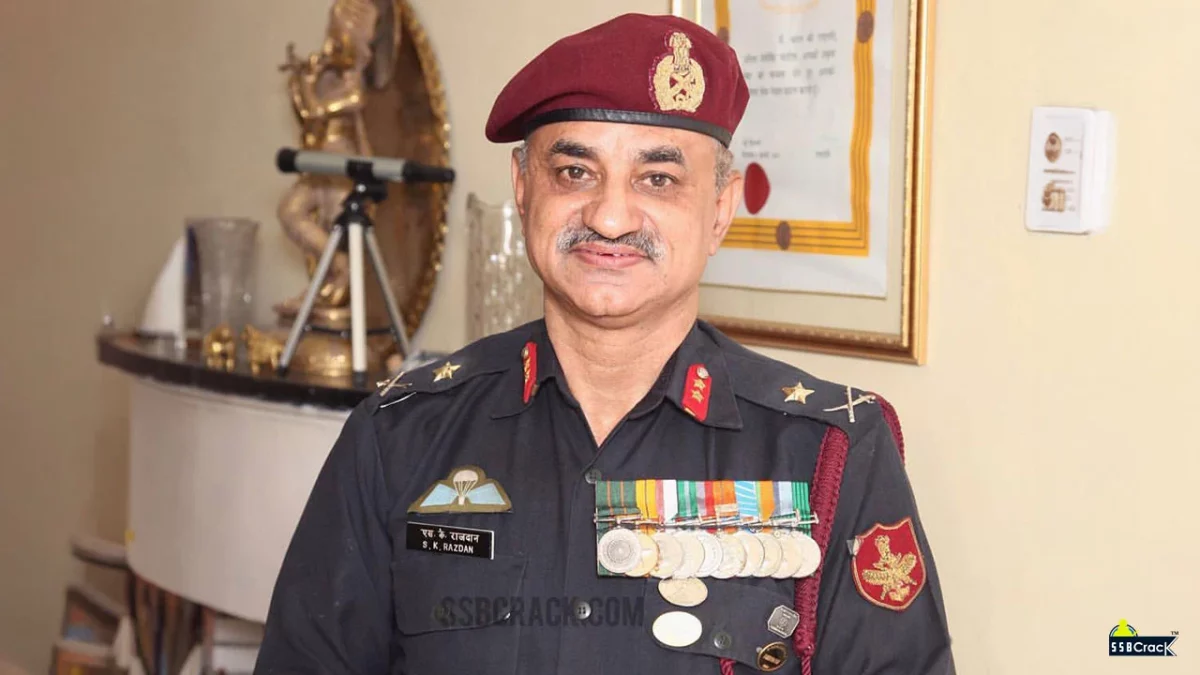
The Indian defence community is mourning the passing of Major General Sunil Kumar Razdan, Kirti Chakra, Vishisht Seva Medal, a highly decorated officer of the 7th Battalion, The Parachute Regiment, whose extraordinary courage on the battlefield and remarkable determination after a life-changing injury made him one of the most inspiring figures of the Indian Army. He was 71.
The last rites of Maj Gen Razdan will be held at Brar Square, Delhi Cantonment, on 14 August 2026 at 12:00 PM. Veterans, serving personnel, members of the Parachute Regiment fraternity and well-wishers are expected to pay their final respects to an officer whose military career became synonymous with courage, resilience and an unbreakable will to serve.
Born on 8 October 1954 in Happy Valley, in what is now the Shillong area of Meghalaya, Maj Gen Razdan belonged to a distinguished Kashmiri Pandit military family originally from Purshyar, Habakadal in Srinagar. Military service ran through generations of the family. His grandfather served in the British Indian Army during the Burma campaign of the Second World War, while his father also served in the Army.
Maj Gen Razdan was commissioned into the elite 7 Para and quickly established a reputation for exceptional physical endurance and determination. An accomplished long-distance runner, he earned the nickname “Greyhound” among his comrades. He was also known for his passion for motorcycles and embodied the physically demanding and adventurous spirit associated with the Parachute Regiment.
The defining episode of his military career unfolded on the night of 8 October 1994, his 40th birthday, during a counter-terrorism operation at Damal Hanzipur in the Naugam area of South Kashmir. Then Lieutenant Colonel Razdan received intelligence that a group of militants had abducted 14 Kashmiri Muslim women, aged between 14 and 30, and was holding them captive inside a four-storey building.
Leading a small force of approximately 20 soldiers after a demanding approach march, Lt Col Razdan launched a carefully planned rescue operation. The assault was initially intended to remain silent, but the militants were alerted during the operation, triggering an intense close-quarter engagement inside and around the building.
Razdan personally entered the battle and engaged the militants at extremely close range. During the fighting, he killed two terrorists before being shot through the abdomen at point-blank range. The devastating injury severely damaged his spine and left him critically wounded. Despite the extent of his injuries, he continued fighting and eliminated another militant.
Even after suffering wounds that would eventually leave him permanently paraplegic, Razdan refused to withdraw from the operation. The engagement continued for several hours as his troops fought to secure the building and rescue the hostages. Displaying extraordinary composure under extreme pain, he reportedly administered intravenous fluids to himself while continuing to direct the operation.
The 14 captive women were eventually evacuated safely through a kitchen window. By the conclusion of the prolonged encounter, nine militants had been neutralised and a substantial quantity of weapons, ammunition and explosives had been recovered.
Razdan subsequently underwent multiple surgeries and spent nearly a year undergoing treatment and rehabilitation. His spinal injuries permanently deprived him of the use of his lower body, leaving him dependent on a wheelchair for the remainder of his life.
For his extraordinary bravery, leadership and refusal to abandon the mission despite suffering grievous injuries, he was awarded the Kirti Chakra in 1996. The Kirti Chakra is India’s second-highest peacetime gallantry decoration and recognised an act of courage that became one of the most remarkable episodes of counter-insurgency operations in Jammu and Kashmir.
For many soldiers, such an injury could have marked the end of an active military career. For Razdan, however, it became the beginning of another extraordinary phase of service. Despite paraplegia, persistent neural pain and the enormous physical challenges associated with his injuries, he continued serving the Indian Army and took on demanding staff and institutional responsibilities.
His professional ability, operational experience and intellectual approach enabled him to remain an important contributor to higher defence planning. Rather than allowing his physical condition to determine the limits of his career, Razdan continued progressing through the military hierarchy on the strength of his competence and service record.
In October 2010, he achieved another historic milestone when he was promoted to the rank of Major General. He became the first wheelchair-bound officer of the Indian Army to attain the two-star rank, making his promotion a landmark moment in the history of the service.
As a Major General, Razdan served as Assistant Chief of the Integrated Defence Staff and contributed to areas including joint warfare, operations, logistics and institutional military thinking. His service demonstrated that leadership and professional effectiveness were not constrained by physical disability.
He was also awarded the Vishisht Seva Medal in recognition of distinguished service. His work associated with higher defence organisations and the Centre for Joint Warfare Studies further reflected his continued contribution to the development of military thought and jointness within the Indian Armed Forces.
Those who served with him frequently remembered his mental toughness and refusal to seek sympathy because of his physical condition. His philosophy remained centred on the supremacy of the mind over physical limitations. He often encouraged others to recognise that when circumstances close one avenue, determination and adaptability can create several others.
Behind his remarkable journey stood his family, particularly his wife Manju, whom Maj Gen Razdan frequently credited as a major source of strength during years of rehabilitation and service after his injuries.
The couple has two sons. His son Ishan continued the family’s military tradition by joining the Parachute Regiment and serving with 23 Para, becoming a fourth-generation Army officer. His other son, Paarth, pursued medicine and completed his MBBS.
Even after retirement, Maj Gen Razdan remained connected with the military community. Through interviews, podcasts and interactions with officers, veterans and defence aspirants, he spoke about leadership, counter-insurgency operations, Kashmir, military service and the importance of resilience during adversity.
His life represented the ethos traditionally associated with the Parachute Regiment — “Men apart, every man an emperor.” Few careers demonstrated that spirit as powerfully as his. He had entered battle as a physically formidable Paratrooper, suffered injuries that permanently changed his life, and nevertheless continued his journey until he wore the rank of Major General.
Maj Gen Sunil Kumar Razdan leaves behind a legacy that extends far beyond the gallantry decoration on his uniform. His decision to continue fighting after being grievously wounded, the successful rescue of civilians during the 1994 operation and his subsequent rise through the Army despite permanent disability together form an extraordinary story of military courage and human endurance.
For generations of soldiers and defence aspirants, his life will remain a reminder that courage is not defined merely by an absence of fear or pain, but by the determination to continue performing one’s duty despite both.
The nation has lost a decorated soldier, a Paratrooper and an officer whose career challenged conventional ideas about the limits imposed by physical disability. Major General Sunil Kumar Razdan’s battlefield courage and his decades-long struggle to rise above his injuries ensure that his name will continue to occupy a special place in the history of the Indian Army.
The defence fraternity salutes the warrior who refused to surrender to either the enemy or circumstance.
Om Shanti.