

The Indian Army’s Western Command conducted its inaugural Defence Financial Management Course (DFMC-1) at Chandimandir from 18 to 21 August 2026, with 100 officers from formations across the Command participating in the four-day professional development programme.





The course was organised to enhance the professional competence of officers in defence financial management and enable more informed decision-making while handling financial resources, procurement processes and other responsibilities associated with military administration.
Lieutenant General H S Sahi, PVSM, UYSM, AVSM, YSM, SM, Chief of Staff, Western Command, delivered the inaugural address and set the context for the course. He highlighted the importance of developing a sound understanding of financial management among military leaders to support effective governance and responsible utilisation of defence resources.
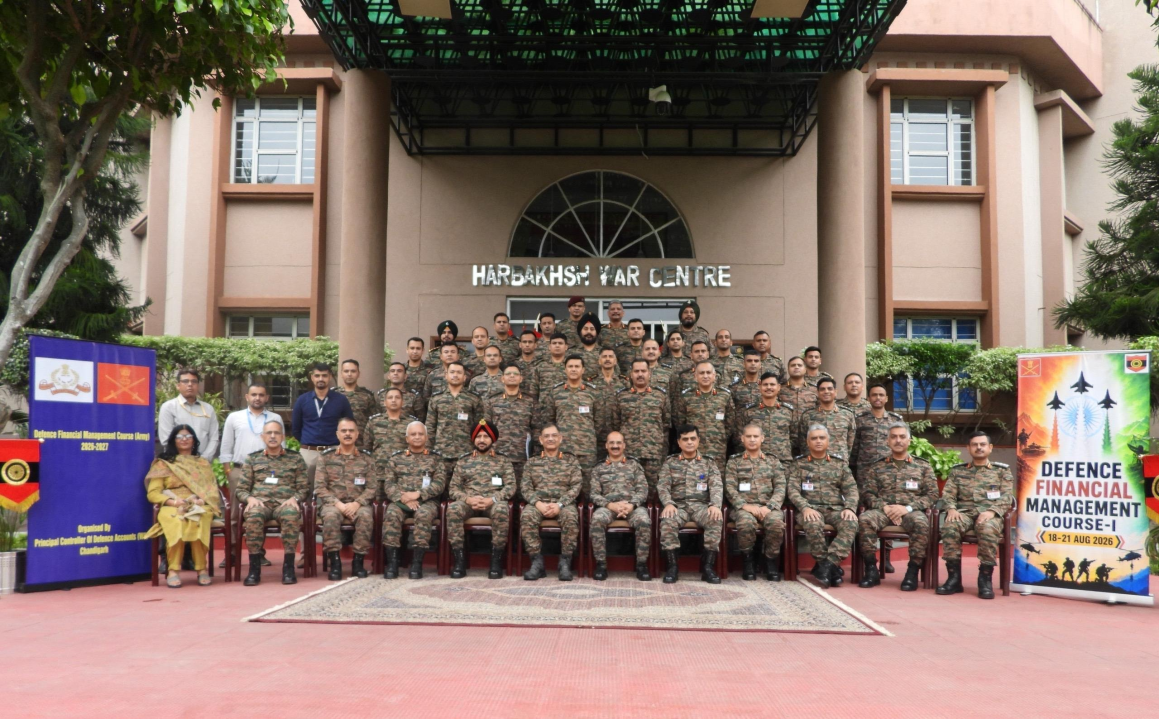
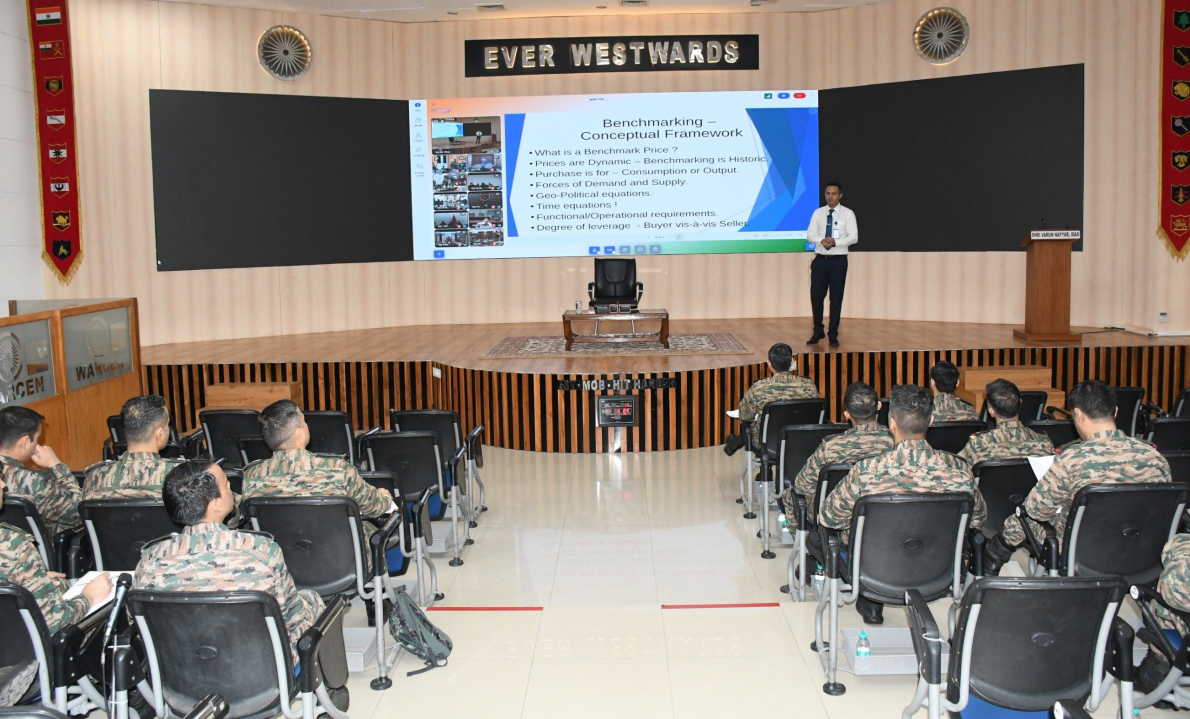
Modern military leadership increasingly requires officers to possess knowledge extending beyond purely operational responsibilities. Commanders and staff officers are also required to manage budgets, oversee procurement, prioritise expenditure and ensure that available resources are utilised efficiently while complying with established financial procedures.
The Defence Financial Management Course was designed against this backdrop, providing participating officers with greater exposure to contemporary financial management practices and the processes governing defence expenditure.
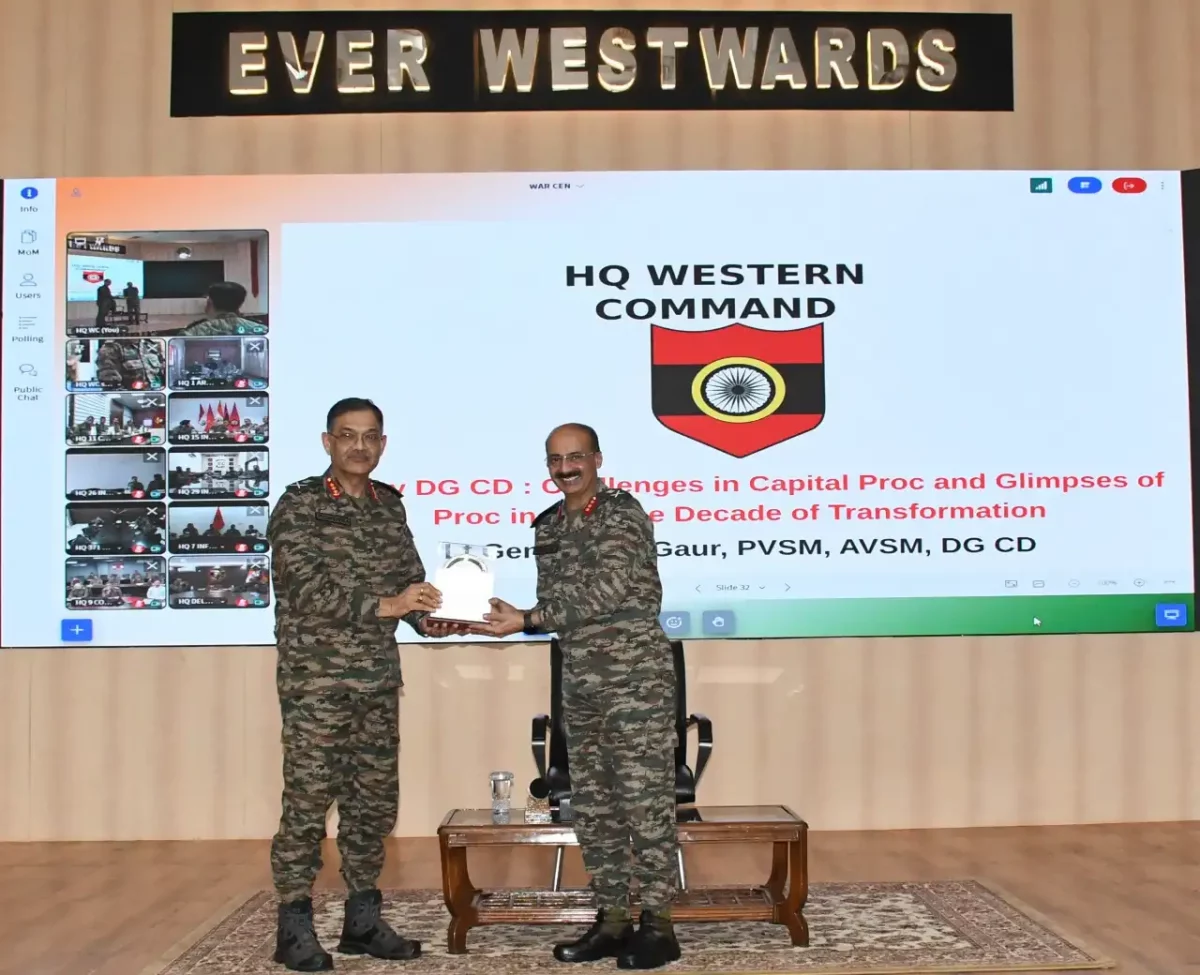
Lieutenant General Vineet Gaur, PVSM, AVSM, Director General Capability Development, also addressed the participants and shared insights into contemporary defence financial management and capital procurement practices.
Capital procurement is particularly significant for the Armed Forces as military modernisation frequently involves the acquisition of sophisticated equipment, platforms, weapons, communications systems and other capabilities. Understanding the financial and procedural aspects of such acquisitions is therefore important for officers involved in capability development and procurement-related appointments.
The participation of officers drawn from formations across Western Command also provided an opportunity for sharing experiences and developing a common understanding of financial procedures at different levels of command.
Defence financial management involves balancing operational requirements with financial accountability. While military formations need timely access to equipment, infrastructure and other resources necessary for maintaining operational preparedness, expenditure must also follow prescribed procedures and principles of financial prudence.
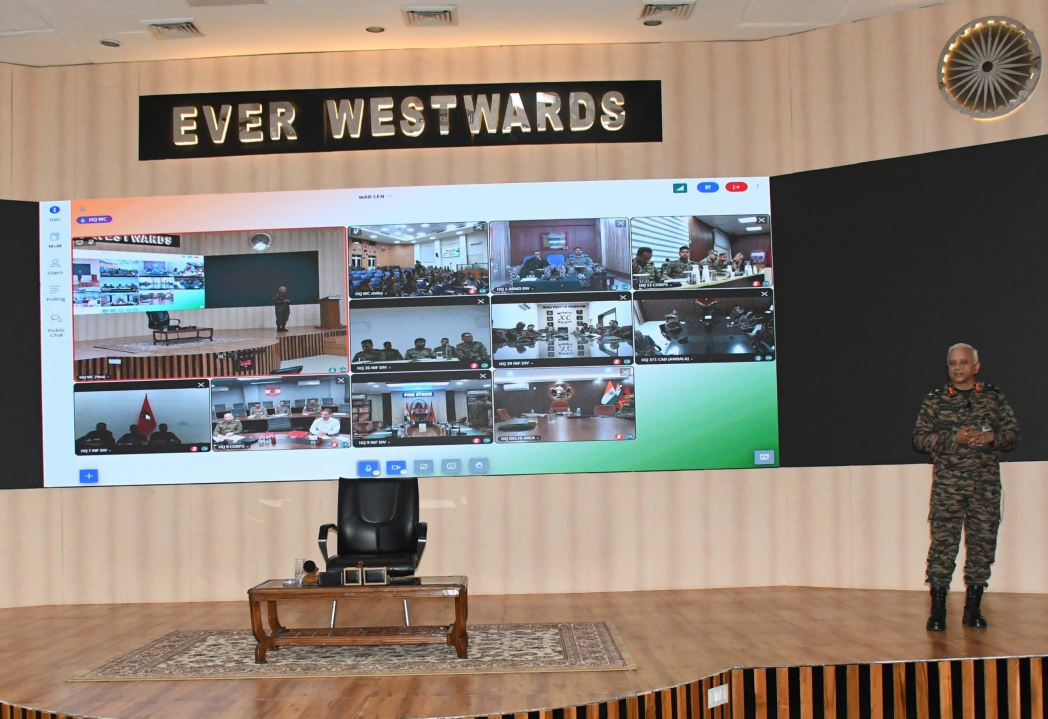
Courses such as DFMC-1 can help bridge the gap between operational requirements and financial processes by familiarising officers with the mechanisms through which defence resources are planned, allocated and utilised.
Lieutenant General Pushpendra Singh, AVSM, SM**, Army Commander, Western Command, addressed the participating officers at the culmination of the course.
In his interaction, the Army Commander emphasised financial prudence, procedural diligence and accountable resource management as important enablers of organisational as well as operational effectiveness.
The emphasis on financial prudence assumes greater importance as the Armed Forces continue to undertake modernisation, infrastructure development, technology induction and capability enhancement across multiple domains.
Efficient resource management allows military organisations to derive maximum operational value from available funds while ensuring transparency and accountability in expenditure.
Procedural diligence is equally important because defence procurement and financial management involve multiple stages of approvals, evaluation, contracting and expenditure. Officers responsible for such processes must therefore understand applicable procedures while ensuring that operational requirements are addressed in a timely manner.
The inaugural DFMC-1 also reflects the growing importance being placed on financial literacy as an element of professional military education. As officers progress into senior command and staff appointments, decisions relating to resource allocation and procurement can have significant implications for operational readiness and long-term capability development.
Providing officers with structured exposure to financial management practices can consequently contribute to better decision-making at formation and headquarters levels.
The course at Chandimandir brought together operational experience and financial management principles, enabling participants to examine how responsible financial governance contributes directly to military effectiveness.
The successful conduct of DFMC-1 marks an important initiative by Western Command towards strengthening professional competence among its officers. By promoting financial prudence, procedural awareness and accountable resource management, the Command aims to ensure that financial decision-making remains closely aligned with organisational priorities and operational requirements.
The initiative also reinforces the broader principle that effective military capability is supported not only by personnel, equipment and training but also by sound governance and efficient management of resources.