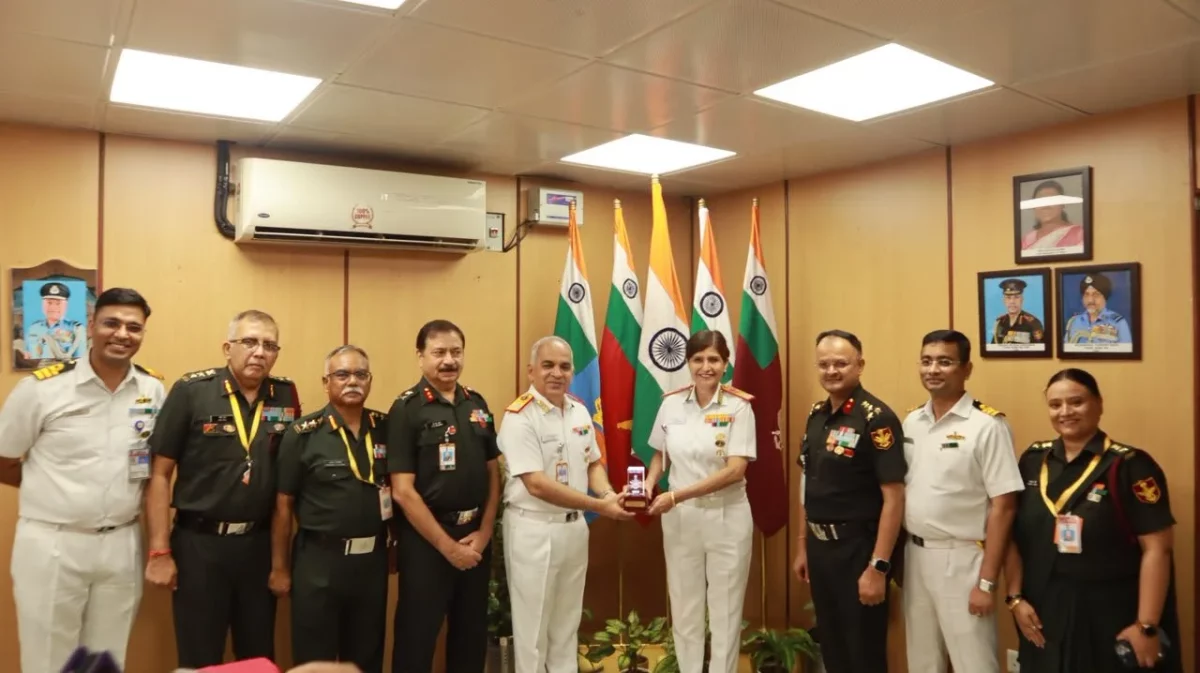
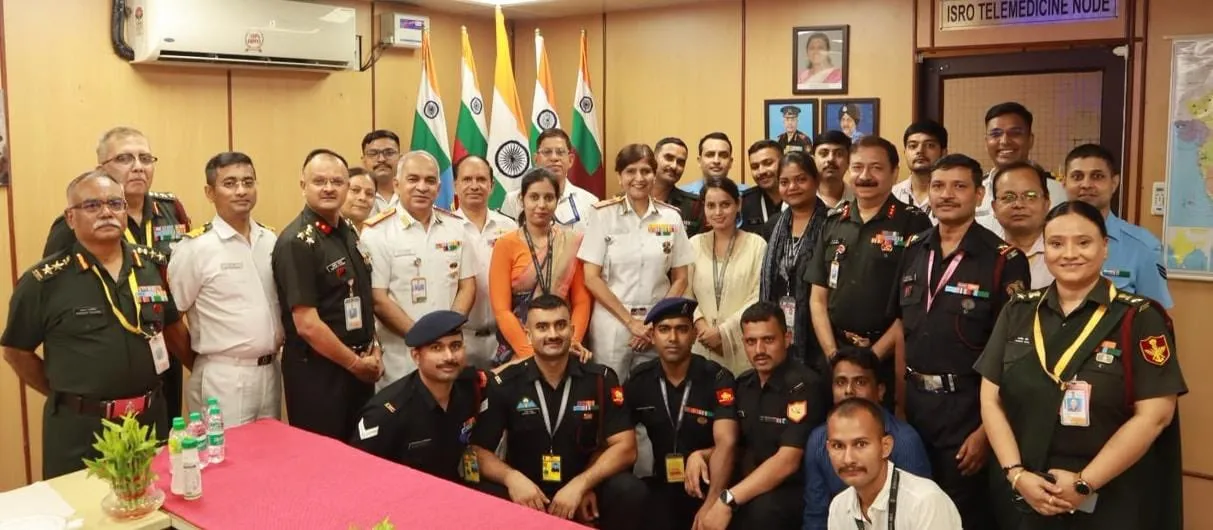
Surgeon Vice Admiral Arti Sarin, Director General Armed Forces Medical Services (DGAFMS), visited the Medical Branch of Headquarters Integrated Defence Staff (HQ IDS) on August 24, 2026, to review ongoing initiatives aimed at strengthening medical preparedness and tri-service healthcare capabilities.





During the visit, Surg Vice Admiral Arti Sarin reviewed the functionality of telemedicine nodes and assessed their role in supporting timely and effective healthcare delivery across the Armed Forces. The review focused on the utilisation of technology to strengthen connectivity between medical establishments and improve access to specialised clinical support.
The DGAFMS interacted with officers and staff of the entire Medical Branch of HQ IDS and shared her valuable suggestions on enhancing operational preparedness and strengthening the delivery of medical support.
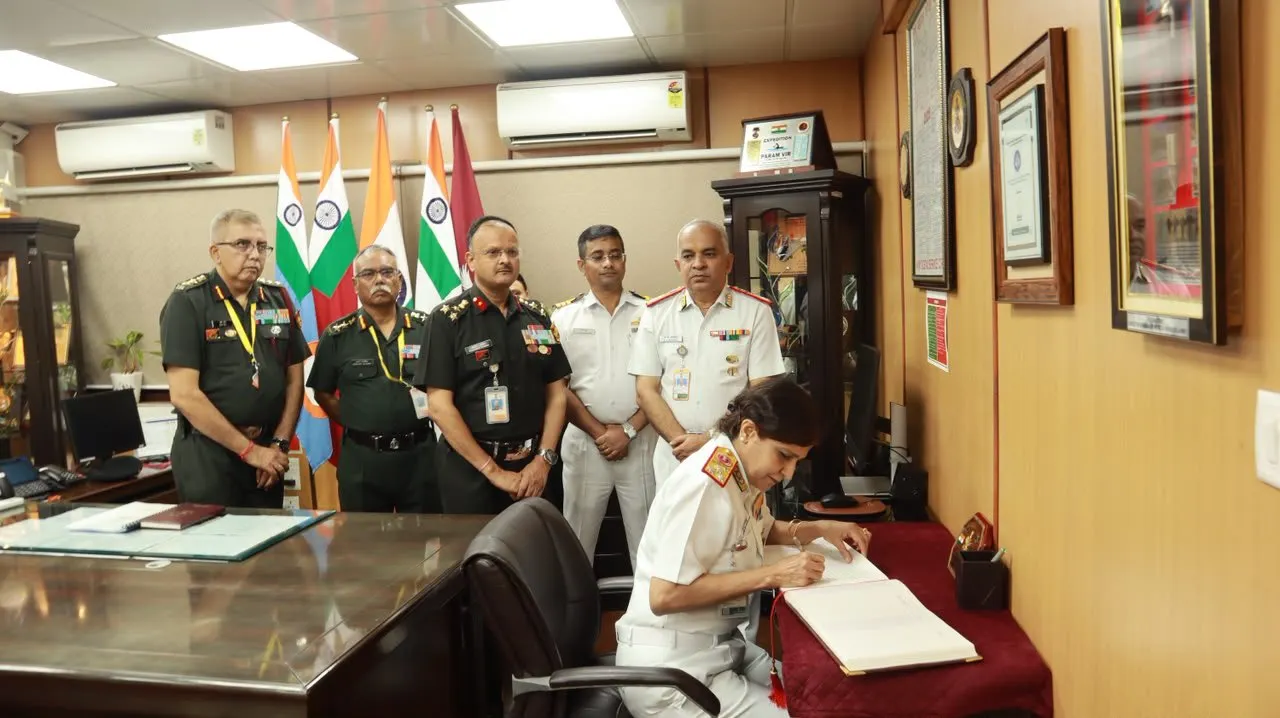
A key area of discussion was the future IT roadmap for military medical services. The emphasis was on leveraging emerging technologies and strengthening digital capabilities to support clinical care as well as operational medical requirements.
Surg Vice Admiral Arti Sarin also stressed the importance of greater tri-service integration within the Armed Forces Medical Services. Enhanced coordination among the medical branches of the Army, Navy and Air Force can contribute to more efficient utilisation of resources, improved clinical capabilities and seamless medical support during operations.
The discussions also covered the need to strengthen holistic clinical care while ensuring that combat medical support remains aligned with evolving operational requirements.
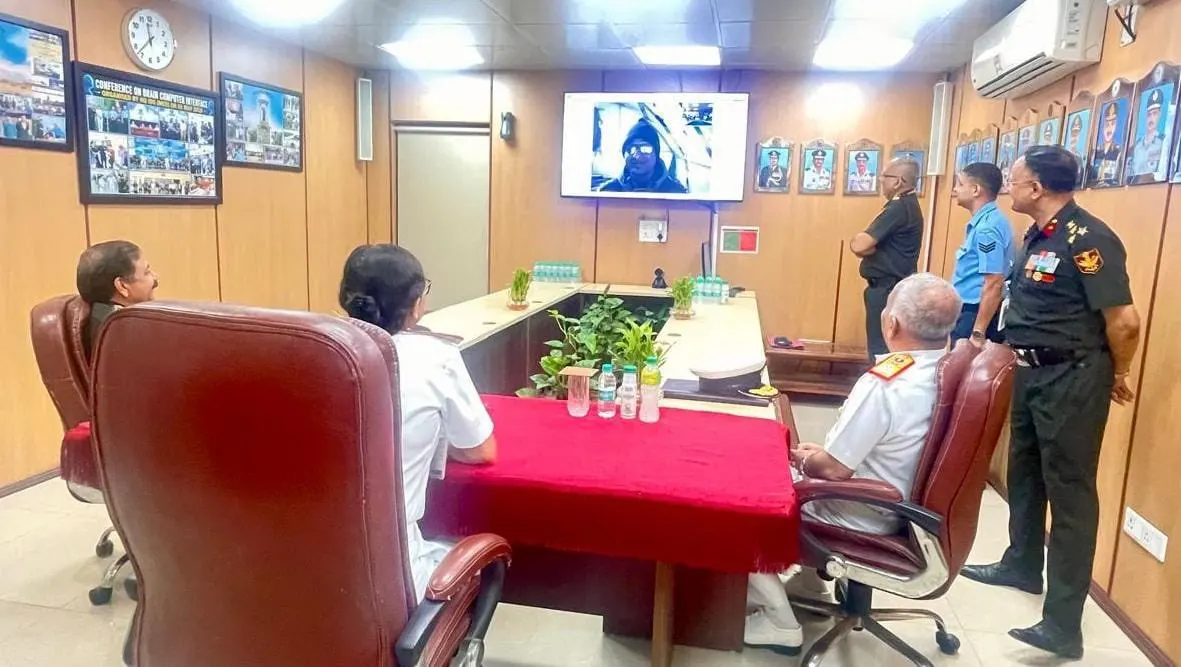
The visit highlighted the growing importance of telemedicine, digital healthcare infrastructure and integrated medical systems in maintaining the readiness of military personnel and ensuring continuity of care across diverse operational environments.
The DGAFMS appreciated the efforts of the Medical Branch of HQ IDS and encouraged personnel to continue pursuing innovation, technological advancement and greater jointness in military healthcare.
The engagement reaffirmed the Armed Forces Medical Services’ commitment to building a future-ready and integrated medical support system capable of delivering comprehensive clinical care while meeting the demanding requirements of combat and operational environments.