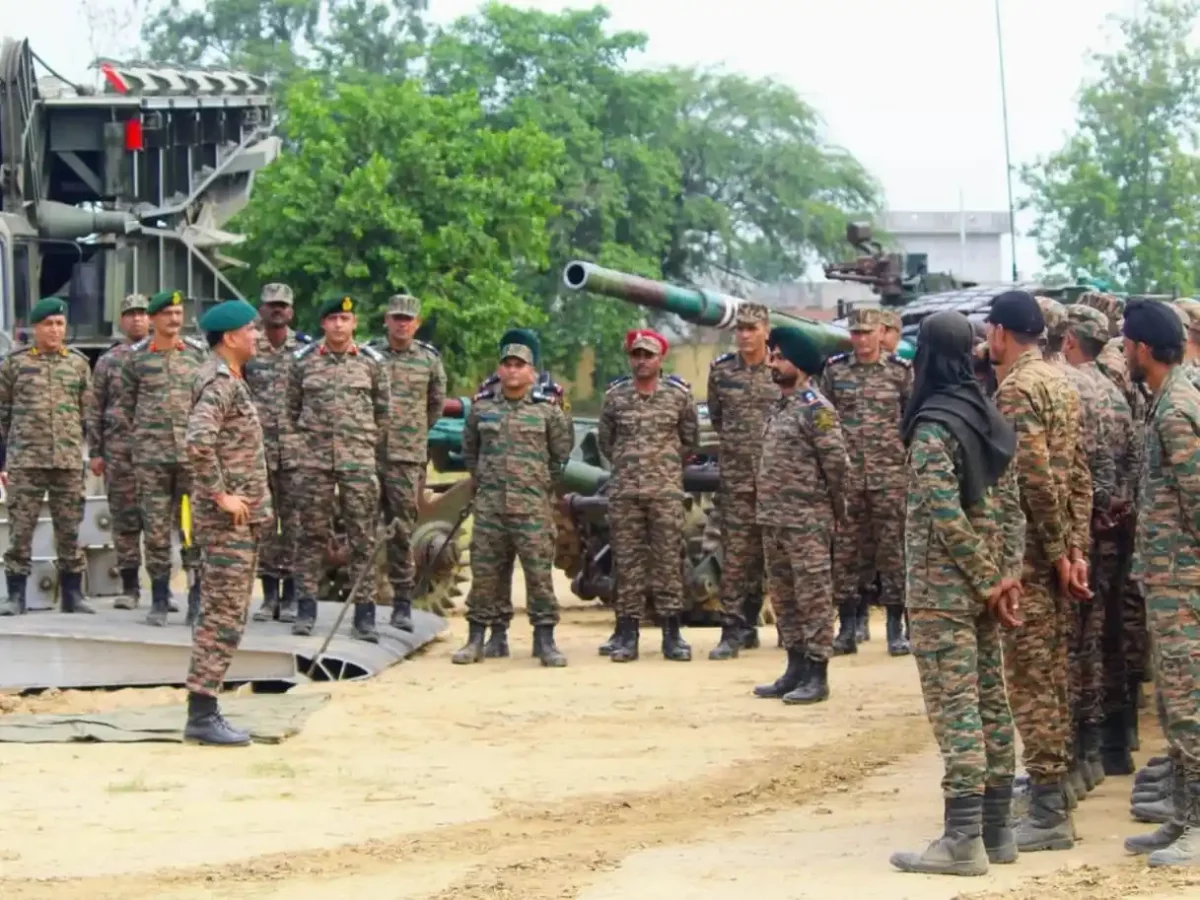
Lieutenant General Amit Kabthiyal, YSM, SM**, General Officer Commanding (GOC), Vajra Corps, visited the Double Victory Sappers to review their operational readiness, combat training and technology-enabled capabilities, reaffirming the formation’s focus on maintaining a high state of preparedness for the evolving battlefield.





During the visit, Lt Gen Amit Kabthiyal assessed the operational preparedness and combat training standards of the Sappers. The interaction provided an opportunity to review the capabilities being developed and maintained by the combat engineering personnel, whose specialised skills are integral to enabling military operations in challenging environments.
The Sappers occupy a crucial role in military operations by helping overcome physical obstacles and creating mobility for fighting formations. Their tasks can range from supporting the movement of troops and equipment to undertaking engineering-related activities required to enable operations. Their ability to respond quickly and effectively can have a direct bearing on the tempo and effectiveness of combat operations.
Lt Gen Kabthiyal also reviewed technology-enabled capabilities being developed and employed by the Sappers. The emphasis on technology reflects the changing nature of military engineering, where modern equipment, innovative solutions and improved technical capabilities are increasingly important for operating effectively in complex battlefields.
During his interaction with the personnel, the Corps Commander commended the technical prowess and professional excellence demonstrated by the Double Victory Sappers. His appreciation recognised their specialised expertise as well as their commitment to maintaining high standards of operational preparedness.
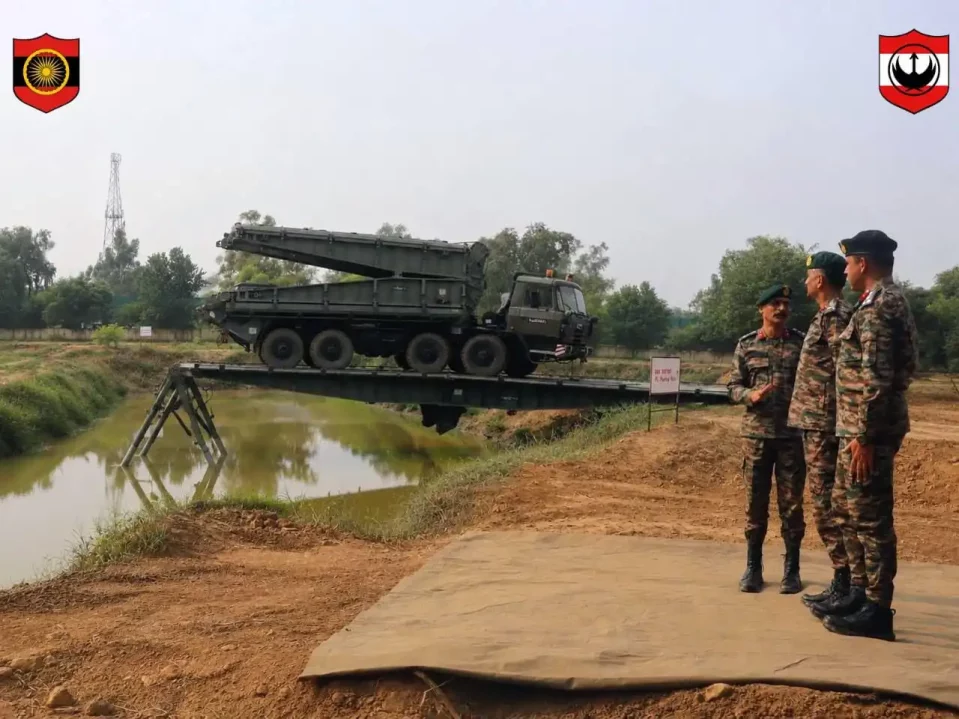
The GOC exhorted the Sappers to remain agile, innovative and mission ready in response to the changing character of warfare. The emphasis on agility highlights the need for combat engineering elements to adapt rapidly to operational requirements, while innovation remains essential for developing solutions to increasingly complex battlefield challenges.
Technology-enabled engineering capabilities can provide important advantages by improving speed, precision and flexibility. As military operations increasingly involve diverse terrain, rapidly changing tactical situations and greater integration of technology, engineering units must be capable of adapting their methods and capabilities accordingly.
The visit also reinforced the importance of combat training. Technical expertise must be complemented by realistic and rigorous training so that personnel are prepared to employ their capabilities effectively under operational conditions. Maintaining this balance between technical proficiency and battlefield preparedness remains central to the effectiveness of combat engineering formations.
The Sappers’ contribution extends beyond simply overcoming obstacles. Their ability to create and maintain routes and facilitate the movement of military formations can influence operational momentum. In situations where terrain or battlefield obstacles restrict mobility, combat engineers can play a decisive enabling role.
The message conveyed during the visit therefore went beyond maintaining existing capabilities. The emphasis was on ensuring that the Sappers remain prepared for an evolving battlefield in which technological change, operational complexity and the demand for rapid adaptation are becoming increasingly important.
Lt Gen Kabthiyal’s interaction with the Double Victory Sappers also highlighted the relationship between professional excellence and operational effectiveness. Highly specialised military engineering tasks require personnel to maintain technical competence while operating within the broader framework of military discipline, teamwork and mission objectives.
The emphasis on innovation is particularly relevant as armed forces worldwide seek new approaches to mobility, survivability and battlefield engineering. Integrating emerging technologies into combat engineering can help units respond more efficiently to operational challenges while improving their ability to support manoeuvre and sustainment.
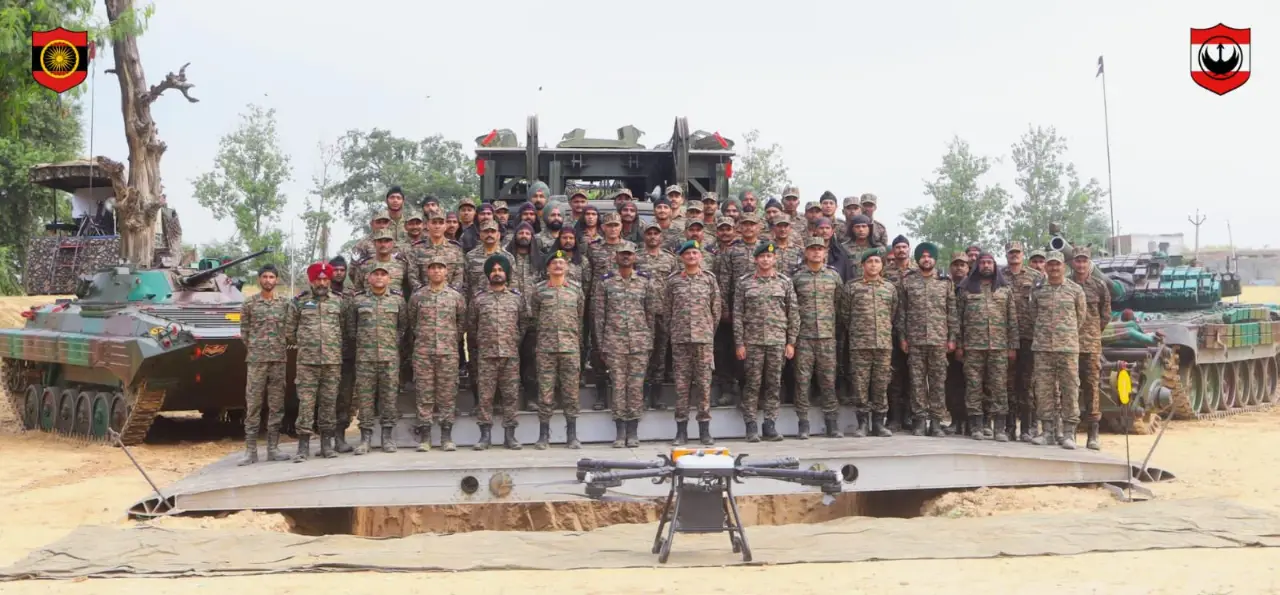
The visit reaffirmed Vajra Corps’ focus on maintaining a high level of combat preparedness while encouraging its personnel to remain adaptable and forward-looking. The Sappers’ role as enablers of military operations makes their readiness an important component of the overall combat capability of the formation.
The ethos of the Double Victory Sappers was aptly captured in the message associated with the visit: “Where others see obstacles, Sappers create the way.” The statement reflects the fundamental purpose of combat engineering—turning physical and operational challenges into avenues through which military formations can continue their advance.
The accompanying message, “Break through obstacles. Pave the way to victory,” similarly underlined the importance of determination, technical expertise and operational commitment among combat engineering personnel.
As the battlefield continues to evolve, the ability to combine traditional combat engineering skills with technology-enabled capabilities will remain essential. The review by Lt Gen Amit Kabthiyal highlighted the need for the Double Victory Sappers to remain prepared to meet these emerging demands with professionalism, innovation and a strong mission focus.
The visit ultimately reinforced the Sappers’ role as critical enablers of combat power. Through technical prowess, rigorous training, technological adaptation and an unwavering commitment to the mission, they continue to provide the mobility and engineering support necessary for formations to overcome obstacles and maintain operational momentum.