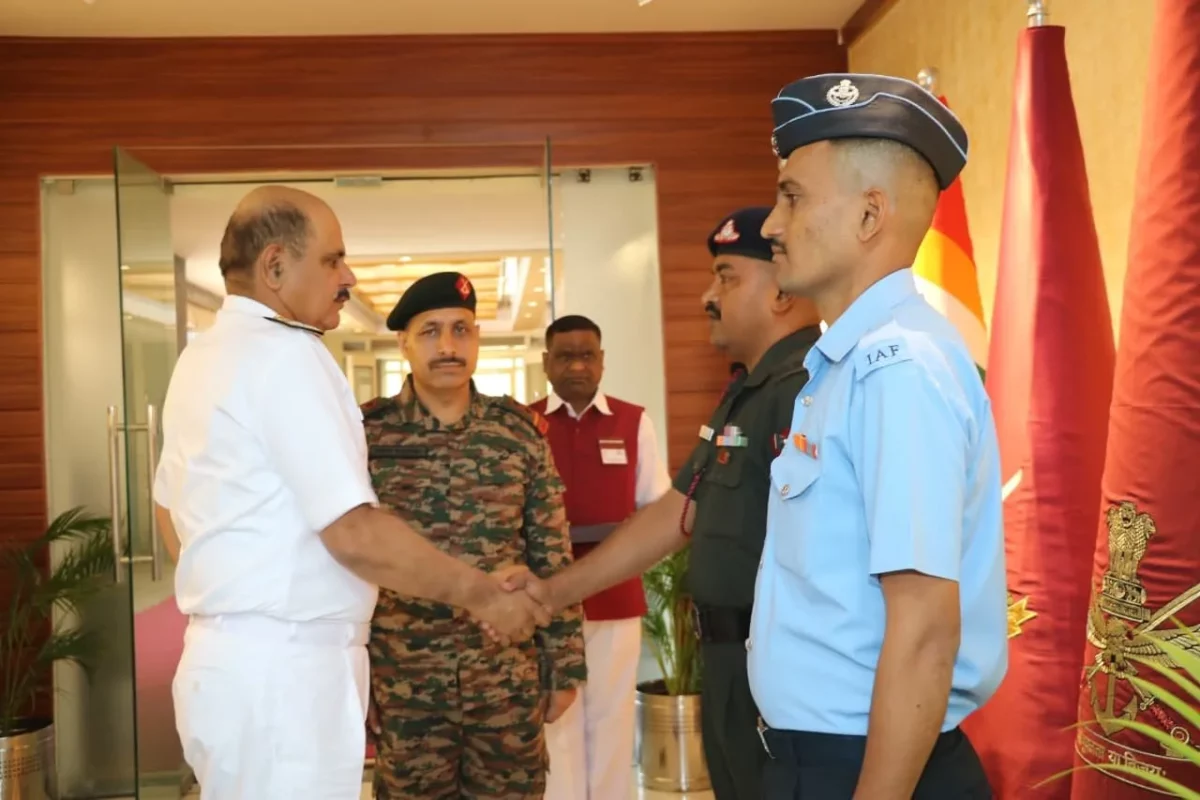
Vice Admiral Vineet McCarty, Commander-in-Chief of the Andaman and Nicobar Command (ANC), addressed HDMC-22 at the College of Defence Management, Integrated Defence Staff (CDM-IDS), highlighting the strategic importance of the Andaman and Nicobar Islands for India’s expanding national interests.





During the session, Vice Adm McCarty outlined the geo-strategic value of the islands and their importance in safeguarding India’s maritime and economic priorities. He also discussed the way forward for realising the full potential of the archipelago in support of the country’s wider security and strategic objectives.
Located at the gateway to the Indo-Pacific, the Andaman and Nicobar Islands occupy an important position in India’s maritime security architecture. Their geographical location gives the islands significance in relation to vital sea lanes, regional stability and the protection of India’s broader maritime interests.
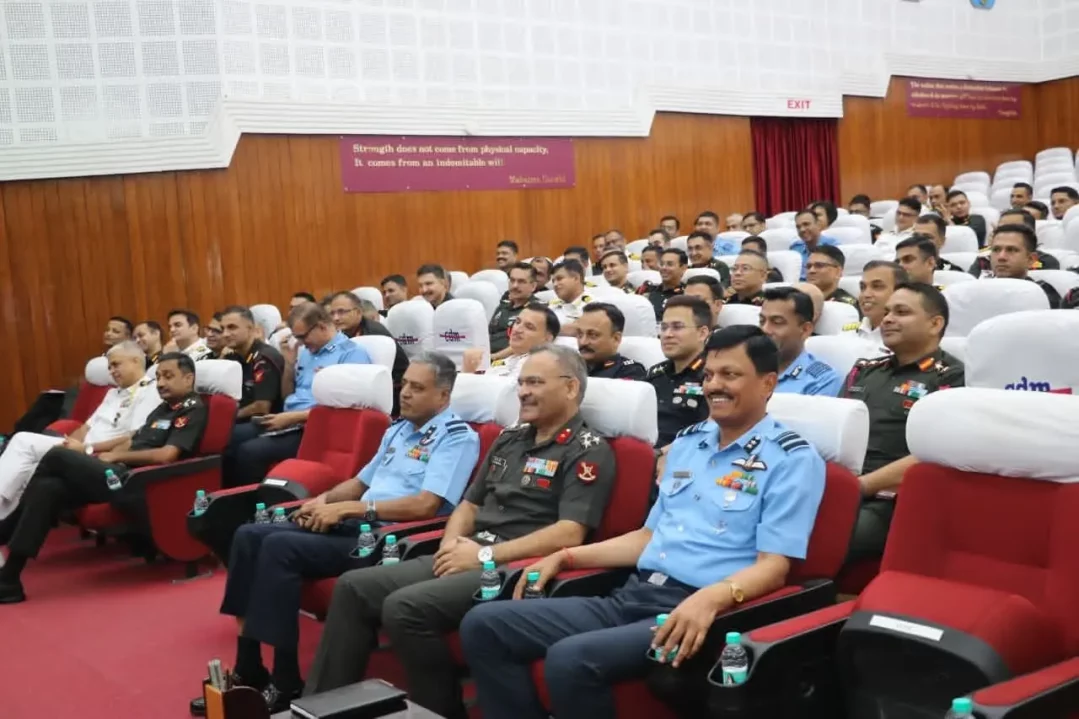
The session examined the islands’ role beyond their geographical importance, focusing on their potential contribution to India’s growing national interests in the maritime domain. The discussion also highlighted the importance of developing the islands’ capabilities in a manner that supports India’s wider strategic objectives in the Indo-Pacific.
Vice Adm McCarty also discussed the role of the Andaman and Nicobar Command as an important enabler of jointness and maritime security. As India’s only tri-services theatre command, the ANC brings together elements of the Army, Navy and Air Force in the strategically significant island territory.
The discussion on the theatre command paradigm placed particular emphasis on greater integration among the armed forces. Jointness is increasingly central to modern military operations, requiring different services to coordinate capabilities, resources and operational planning to achieve common objectives.
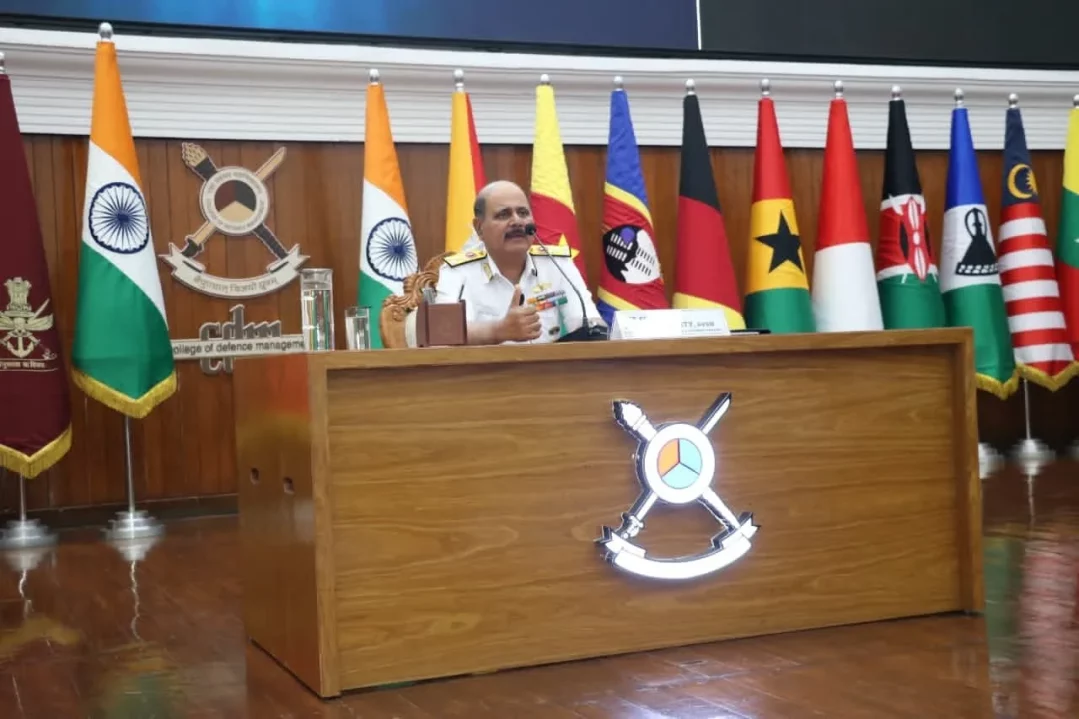
The Andaman and Nicobar Islands are particularly significant in this context because of their location astride important maritime approaches in the eastern Indian Ocean. The archipelago provides India with a strategic position from which it can contribute to maritime awareness, regional security and the protection of national interests in the wider Indo-Pacific.
The session at CDM-IDS also provided an opportunity to examine the relationship between geography, national interests and military organisation. The evolving strategic environment in the Indo-Pacific has increased the importance of maritime security, making India’s island territories an important component of its overall security architecture.
The emphasis on developing the full potential of the islands also points towards the need for continued capability enhancement and closer integration of military and strategic planning. For the Andaman and Nicobar Command, this involves maintaining operational preparedness while strengthening its contribution to India’s broader maritime security objectives.
The interaction with HDMC-22 further underscored the importance of professional military education in understanding emerging strategic challenges. Discussions on the ANC, maritime security and the theatre command paradigm provide military officers with insights into the relationship between joint operations, national security and India’s strategic interests in the Indo-Pacific.
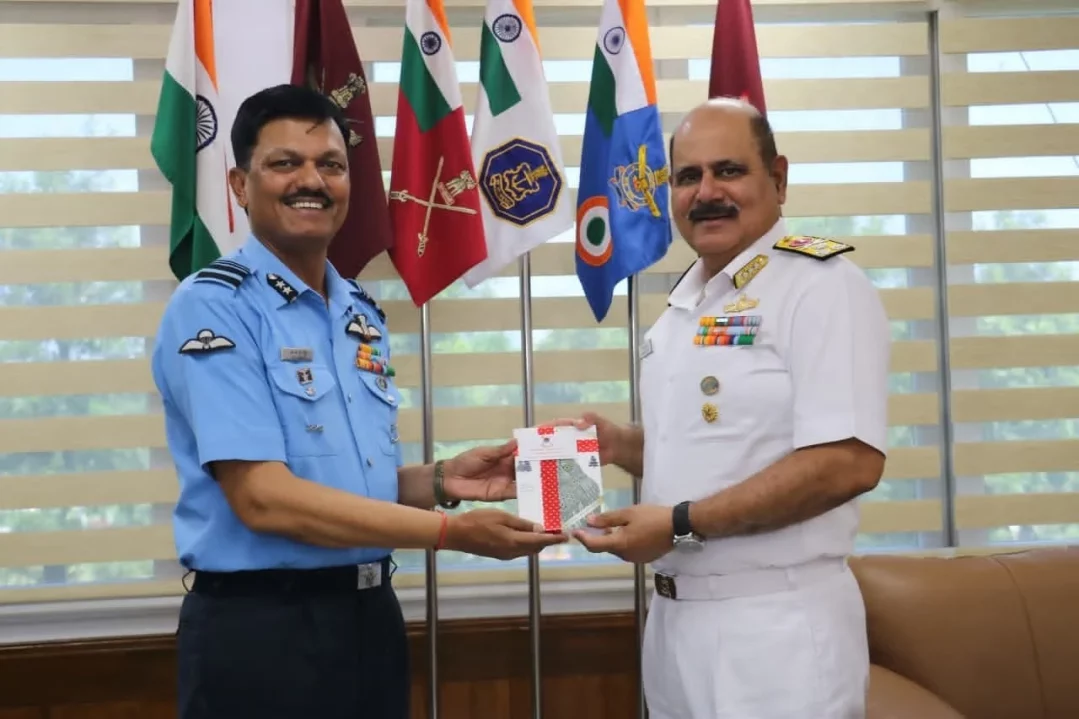
The address reaffirmed the strategic relevance of the Andaman and Nicobar Islands to India’s security and economic priorities. With the archipelago positioned at the intersection of important maritime routes and the wider Indo-Pacific strategic environment, its role is closely linked to India’s efforts to strengthen maritime security, regional stability and jointness among the armed forces.