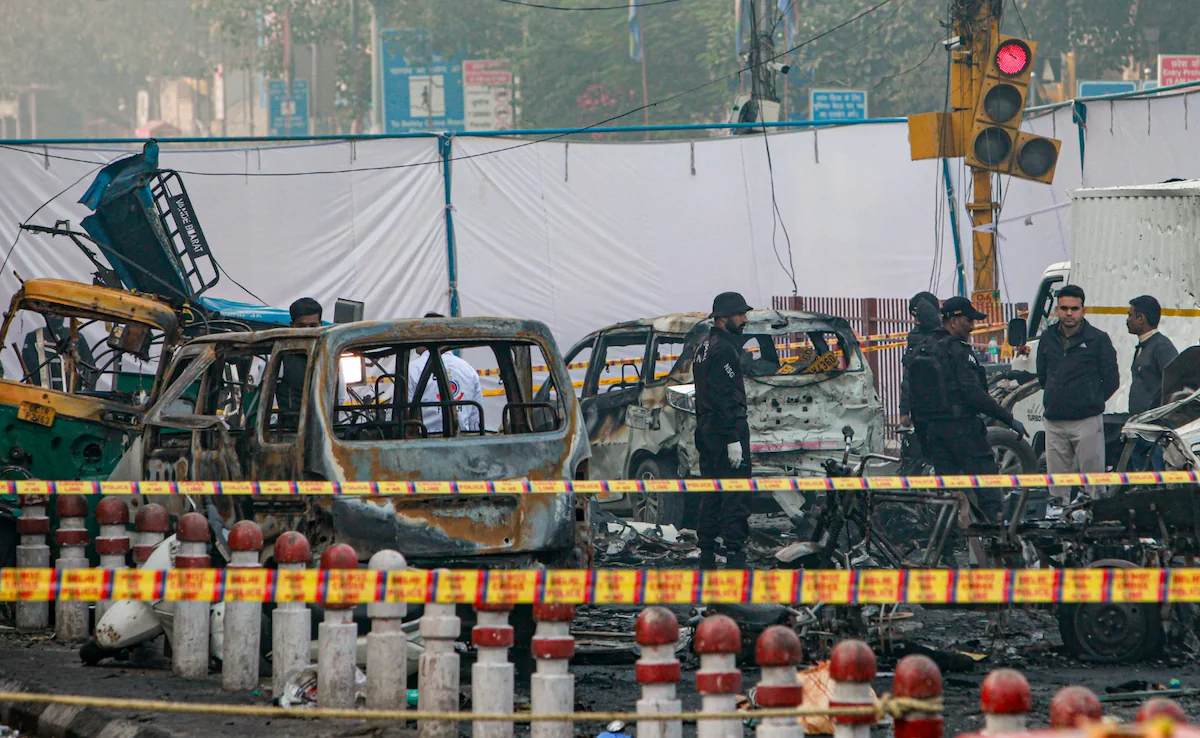
A United Nations counter-terrorism report has linked Pakistan-based terror outfit Jaish-e-Mohammed (JeM) to a deadly attack near Delhi’s historic Red Fort, while also raising alarm over the group’s changing organisational strategy, including the creation of a women-only wing to support terrorist activities.





In its latest assessment to the United Nations Security Council, the Analytical Support and Sanctions Monitoring Team said one Member State reported that JeM claimed responsibility for a series of attacks and was linked to the assault near the Red Fort on November 9, in which 15 people were killed. The Red Fort, a UNESCO World Heritage Site and a powerful symbol of Indian sovereignty, has long been considered a high-value terrorist target, making the reported linkage particularly significant.
Concern Over New Women-Only Wing
The UN report also noted that on October 8, JeM chief Masood Azhar announced the formation of a women-only wing named Jamaat ul-Muminat. According to the Monitoring Team, the unit is intended to support terrorist operations, signalling a shift in recruitment and facilitation tactics.
Analysts cited in the report warn that such a move mirrors trends seen in other extremist organisations, where women are increasingly used in auxiliary roles to expand logistics networks, fundraising and recruitment, while also attempting to evade security scrutiny.
Persistent Threat Despite Sanctions
JeM is designated by the United Nations as an Al-Qaida-associated entity and has a long history of terror activities primarily targeting India, especially in Jammu and Kashmir. Founded in 2000, the group has been blamed for multiple high-profile attacks on security forces and civilian targets. Masood Azhar remains under UN sanctions, including travel bans and asset freezes.
However, the Monitoring Team highlighted differing assessments among Member States regarding JeM’s current operational status. While some countries continue to flag the group as active and dangerous, another Member State claimed the organisation is defunct—underscoring long-standing gaps in international intelligence sharing and enforcement.
Wider Regional Security Implications
The report situates JeM’s activities within a broader and evolving terrorist threat landscape across Central and South Asia, where militant groups exploit regional instability and cross-border networks. Despite sustained counter-terrorism pressure, the UN warned that outfits like JeM continue to adapt through organisational changes and symbolic, high-impact attacks.
Separately, the report mentioned that three individuals allegedly involved in a separate attack in Pahalgam, Jammu and Kashmir, were killed in July, reflecting ongoing security operations against militant networks.
Overall, the UN findings underline persistent concerns that even weakened or fragmented terror groups retain the ability to reorganise, innovate and strike prominent targets, posing continued risks to regional and international security.