
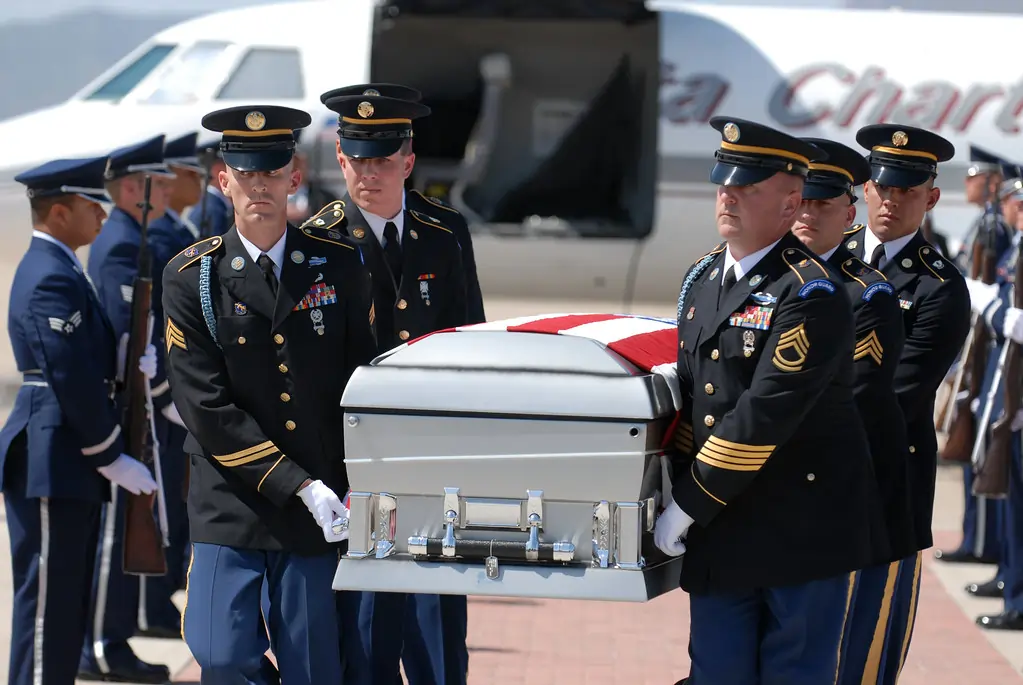
DUBAI, United Arab Emirates — In a significant escalation of the ongoing conflict, the United States Central Command (CENTCOM) announced on March 1, 2026, that three U.S. service members have been killed in action and five others seriously wounded during Operation Epic Fury, a joint U.S.-Israeli military campaign targeting Iranian assets. This marks the first confirmed American combat deaths since the operation commenced the previous day, amid retaliatory strikes from Iran that have heightened tensions across the Middle East.





CENTCOM’s statement, released via social media at approximately 9:30 a.m. ET, indicated that several additional personnel sustained minor injuries, including shrapnel wounds and concussions, and are expected to return to duty following medical evaluation. The command described the situation as “fluid” and affirmed that major combat operations would continue without interruption. Specific details regarding the circumstances of the casualties—such as the locations, units involved, or exact causes—were not disclosed, in line with standard protocols for ongoing operations.
The operation, initiated on February 28, 2026, involves coordinated airstrikes by U.S. and Israeli forces against Iranian military installations, government facilities, and proxy networks. President Donald Trump, in a video address on the day of the launch, characterized the campaign as “major combat operations” aimed at annihilating Iran’s naval capabilities and dismantling Tehran-supported militias in the region. Trump acknowledged the potential for American casualties, stating that such outcomes are inherent in warfare, while urging members of Iran’s Revolutionary Guard to surrender for immunity or face severe consequences.
The strikes reportedly began near key sites in Tehran, including areas associated with Iran’s Supreme Leader, Ayatollah Ali Khamenei, whose death was confirmed by Iranian state media early on March 1. Israeli officials verified the targeting of Khamenei, a move that has plunged Iran into political uncertainty and amplified calls for retaliation. An Iranian diplomat addressed the United Nations Security Council, reporting hundreds of civilian deaths and injuries from the assaults, and labeling them a violation of international law.
In response, Iran has launched counterattacks, deploying ballistic missiles and drones against U.S. bases, Israeli territory, and allied positions in the Middle East. Iranian state television broadcasted images of missile launches, with the Cabinet declaring that the “great crime” against their leadership would not go unpunished. The Revolutionary Guard vowed an “intense offensive operation” targeting American and Israeli interests, leading to exchanges of fire that persisted into the night. Reports from Israeli medics noted at least eight fatalities from a strike near Jerusalem, underscoring the broadening scope of the conflict.
Domestically in the U.S., the operation has drawn criticism from Democratic leaders, who argue that President Trump proceeded without congressional authorization. White House spokesperson Karoline Leavitt countered that key bipartisan congressional figures were briefed in advance. Initial assessments suggested no U.S. casualties on the first day, but the rapid evolution of events has altered that outlook.
The broader implications of Operation Epic Fury remain uncertain, with potential risks to regional stability, including disruptions to global oil supplies and heightened threats to U.S. allies such as those in the Gulf states. As exchanges continue, international observers anticipate further escalations, with calls for diplomatic intervention from entities like the United Nations to mitigate the crisis.
This report is based on statements from official sources and ongoing developments as of March 1, 2026, at 7:25 a.m. PST.