
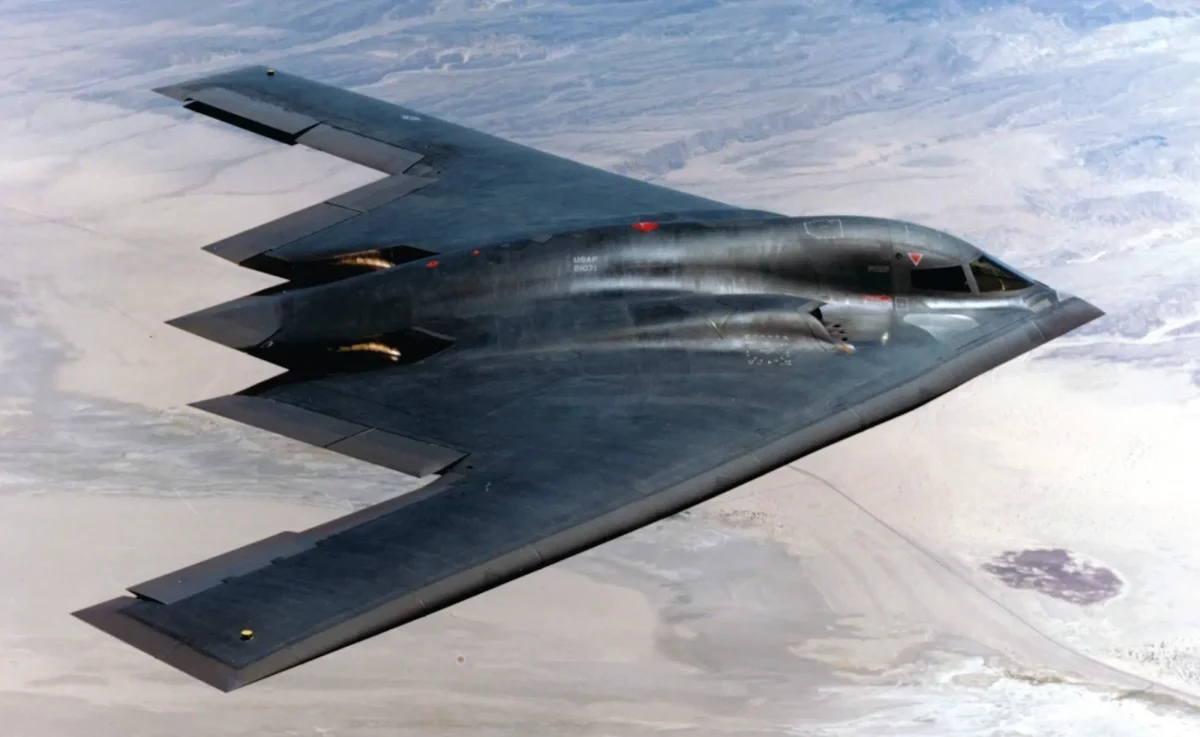
Amid the intensifying military operations between the United States, Israel, and Iran, unconfirmed reports and viral media have circulated alleging that Iranian forces successfully shot down a US B-2 Spirit stealth bomber. These claims, which gained traction on social media platforms, remain unsubstantiated by official sources from either side, with fact-checking analyses indicating that much of the supporting material may be misleading or fabricated.





The allegations surfaced shortly after the US Central Command (CENTCOM) confirmed the deployment of B-2 bombers in strikes against Iranian ballistic missile facilities as part of “Operation Epic Fury.” According to Pentagon statements, these long-range aircraft, originating from the US mainland, delivered 2,000-pound bunker-buster munitions on hardened underground targets in a coordinated assault involving approximately 900 strikes within a 12-hour period. This operation marks a significant escalation in the ongoing conflict, which has already resulted in reported US casualties, including three service members killed in related engagements.
Social media footage, including a widely shared video depicting a large aerial object plummeting and exploding near Mount Damavand in northern Iran, has fueled speculation that the incident involved a B-2 bomber. The clip, posted by journalist Sulaiman Ahmed and reposted across platforms like X (formerly Twitter), shows a burning projectile descending before a massive ground impact, with commentators noting the explosion’s scale as indicative of a fuel-laden aircraft. Similar claims appeared in X posts, with users asserting that one of several B-2s involved in the strikes failed to return, potentially downed by Iranian S-300 surface-to-air missile systems.
However, no official confirmation has been issued by the US Department of Defense, Iranian authorities, or independent observers to validate these assertions. Fact-checking reports from outlets such as WION and Hindustan Times emphasize the absence of evidence, describing the viral content as unverified and potentially speculative. Comparable rumors during a prior US-Iran confrontation in June 2025— involving strikes on nuclear facilities under “Operation Midnight Hammer”—were debunked as involving AI-generated images and animations, with all B-2 aircraft confirmed to have returned safely. Iranian state media has previously released animated simulations depicting hypothetical shoot-downs of US stealth aircraft, further complicating the distinction between propaganda and reality.
The broader context of the conflict includes retaliatory Iranian missile launches targeting US naval assets and Israeli positions, with reports of over 1,000 targets struck by US and allied forces in a 24-hour period using Tomahawk missiles, drones, and various aircraft. Iranian vows of revenge followed the assassination of Supreme Leader Ayatollah Ali Khamenei and other senior officials, leading to exchanges of fire across the region, including blasts in Tehran and threats to Gulf shipping lanes. President Donald Trump has described the operation as progressing “ahead of schedule,” estimating it could conclude in “four weeks or less,” though details on aircraft losses remain undisclosed.
Experts caution that in high-stakes conflicts, misinformation proliferates rapidly, often amplified by unverified social media content. As of this reporting, the US military has not acknowledged any loss of B-2 assets, and satellite imagery or official briefings have yet to corroborate the claims. Analysts from BBC Verify and other organizations have highlighted patterns of AI manipulation in similar past incidents, urging reliance on verified sources.
This situation underscores the challenges of real-time reporting in wartime environments, where distinguishing fact from fabrication is critical. Further developments will be monitored as the conflict evolves.