Bengaluru: Hindustan Aeronautics Limited has filed a criminal complaint alleging cheating and forgery against a Hyderabad-based aerospace components supplier after it allegedly submitted 199 fabricated test reports for 172 components meant for the Light Combat Aircraft Tejas Mk1A programme.





The First Information Report was registered on June 2, 2026, at the HAL Police Station in Bengaluru under Sections 420, 465 and 468 of the Indian Penal Code. These sections deal with cheating, forgery and forgery for the purpose of cheating. The FIR names M. Sivarama Prasad, Chief Executive Officer of M/s Tec Aero Devices, also referred to as TAD Aerospace, based in Shaktipuri, Hyderabad, as the accused.
The complaint was lodged by Ranu Gupta, Deputy General Manager of HAL’s Aircraft Division, after internal verification reportedly found that test certificates submitted by the supplier were not genuine.
According to the complaint, HAL had issued 18 purchase orders to Tec Aero Devices between March 28, 2022, and September 2023 for the supply of different components required for the Tejas Mk1A fighter aircraft programme. The supplier had earlier received approval after submitting samples and initial documents for 35 categories of components, comprising 172 items in total.
In aerospace manufacturing, suppliers are required to submit original material test certificates, inspection reports and supporting documents before components are accepted for use. These documents are crucial because they verify whether the materials used in aircraft parts meet the required standards of strength, durability, corrosion resistance and structural safety.
HAL has alleged that Tec Aero Devices submitted 199 fabricated test reports for the 172 components. The reports were related to important parameters such as tensile strength, hardness, break load, shear strength, non-destructive testing, microstructure analysis and salt spray testing. These tests are essential in determining whether components can withstand the demanding conditions faced by military aircraft during operations.
The alleged irregularities came to light during routine quality control checks at HAL. When HAL’s Quality Control Department asked the supplier to produce original test reports for verification, the company allegedly failed to provide them. On November 22, 2023, Tec Aero Devices submitted a letter stating that two of the reports had been issued by Axis Inspection Solutions, a Hyderabad-based testing firm.
HAL then conducted an audit at the premises of Axis Inspection Solutions on November 29, 2023. During the audit, Axis Inspection Solutions reportedly confirmed in writing that none of the 199 test reports had been issued by them. The firm also stated that its company name and signatures had been misused to create the documents.
Following this, HAL’s internal review concluded that all 199 test reports submitted by Tec Aero Devices between February and September 2023 were forged. The matter was then taken up through HAL’s administrative and legal channels.
After the alleged forgery was detected, HAL issued a show-cause notice to the supplier. The response submitted by the company was considered and rejected. HAL later removed Tec Aero Devices from its list of approved suppliers and debarred the firm from doing business with the company for three years, up to March 10, 2027.
HAL has stated that no payments were released to Tec Aero Devices in connection with the disputed supplies. After completing internal inquiry procedures, audit verification and legal consultations, HAL approached the police and initiated criminal proceedings.
The police have now begun their investigation and are expected to examine the purchase orders, submitted test certificates, audit findings, correspondence between HAL and the supplier, and other related documents. Investigators are also likely to verify whether any other individuals or entities were involved in the alleged fabrication of documents.
Responding to queries, M. Sivarama Prasad, CEO of Tec Aero Devices, said he was unaware of the police complaint filed by HAL. He confirmed that the company had been debarred in March 2024 over allegations related to fake laboratory certificates. He reportedly attributed the issue to a lapse by one of the company’s employees.
Mr. Prasad also said that Tec Aero Devices had submitted multiple representations to HAL, including one in recent weeks, seeking revocation of the debarment. He claimed that the company had since improved its quality systems and expressed willingness for HAL to inspect its facility.
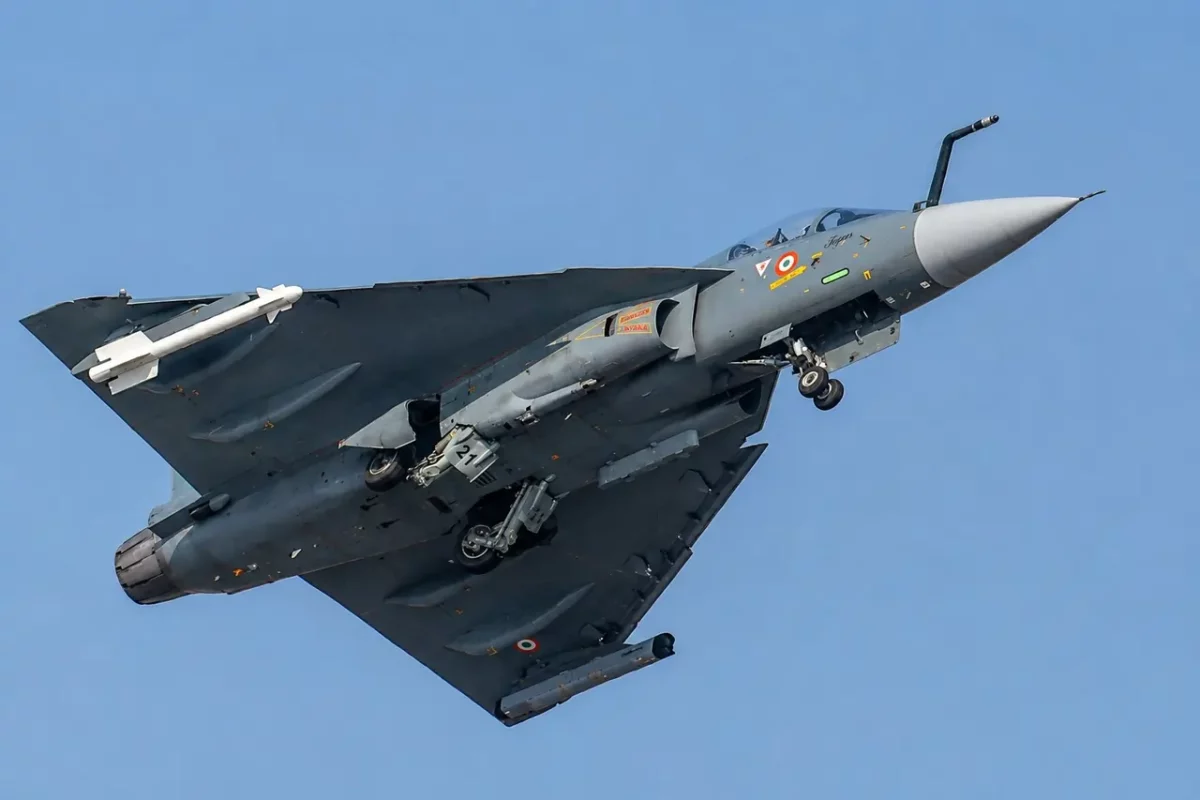
The case assumes significance because the Tejas Mk1A is one of India’s most important indigenous fighter aircraft programmes. Developed by HAL with support from several Indian agencies and private suppliers, the Tejas Mk1A is a 4.5-generation multirole fighter designed to strengthen the Indian Air Force’s combat fleet and reduce dependence on foreign platforms.
The aircraft is an upgraded variant of the Tejas Mk1 and includes improvements in avionics, radar, electronic warfare systems, maintainability and operational capability. The programme is also a major component of India’s Atmanirbhar Bharat initiative in the defence sector.
In aircraft manufacturing, quality control is non-negotiable. Even small deviations in material standards or documentation can raise serious concerns about structural safety, reliability and long-term performance. Material test reports are not merely routine paperwork; they form a critical part of the certification and traceability process in the aerospace supply chain.
HAL’s internal detection of the alleged forged documents through quality control verification and third-party audit prevented unverified components from being accepted without scrutiny. The incident highlights the importance of strict vendor monitoring, document authentication and audit mechanisms in defence manufacturing.
The case also points to the challenges of managing a large and complex supply chain for advanced defence platforms. As India expands private sector participation in aerospace and defence production, ensuring strict compliance with quality standards remains essential.
There is no official indication so far that any aircraft already under production or in service has been compromised. The investigation is expected to determine whether any of the disputed components physically entered HAL’s assembly, testing or production processes.
The development comes at a time when HAL is working to ramp up production and delivery of the Tejas Mk1A aircraft for the Indian Air Force. The aircraft is central to the IAF’s modernisation plans, especially as older fighter fleets are gradually phased out.
Further action in the case will depend on the findings of the police investigation. The matter remains under investigation, and HAL is expected to provide relevant records and documents to the authorities as the probe progresses.