

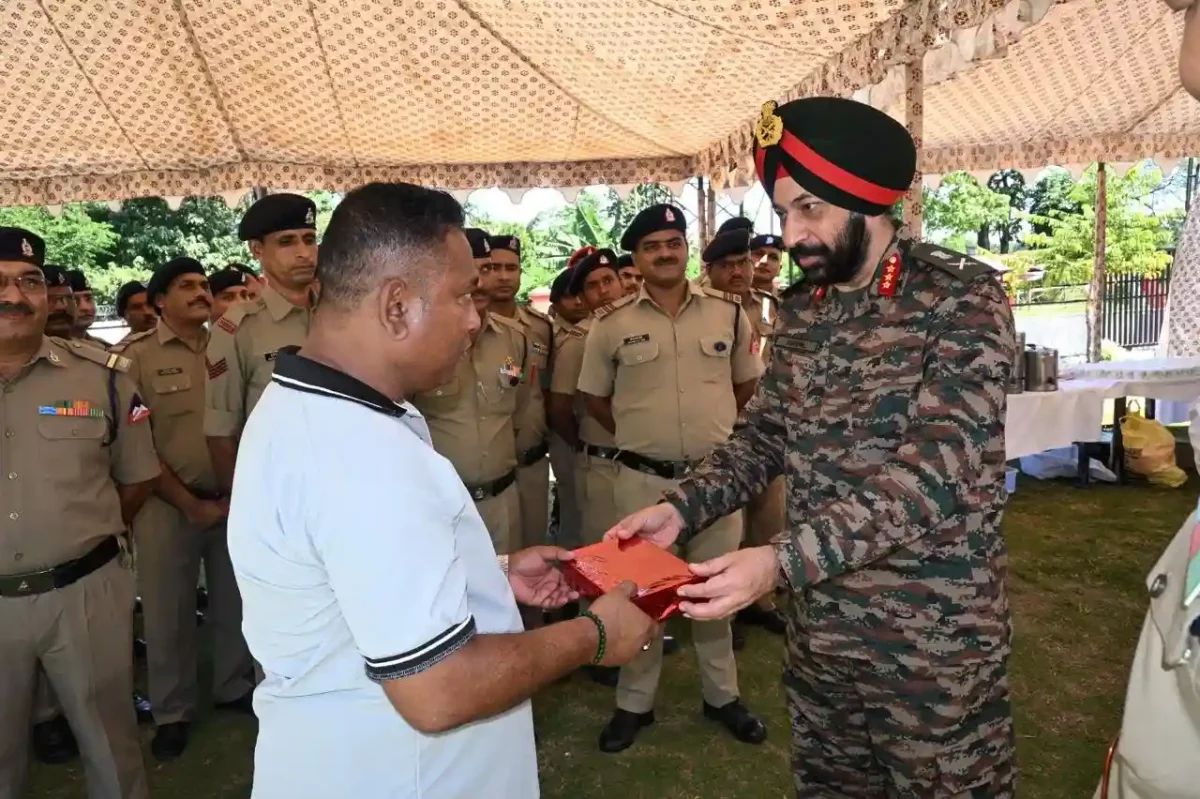
Lieutenant General Harpal Singh, AVSM, VSM, Director General Border Roads (DGBR), undertook a two-day visit to Border Roads Organisation (BRO) Projects Brahmank and Arunank from September 2 to 3, 2026, reviewing critical road and connectivity works being executed in the remote frontier areas of the Northeast.





The visit focused on assessing the progress and implementation of strategically important infrastructure projects in some of the most challenging and remote areas of the region. Connectivity in these frontier areas has wider implications for operational preparedness, mobility and access, particularly where difficult terrain and demanding weather conditions can complicate the movement of personnel, equipment and essential supplies.
During the visit, Lt Gen Harpal Singh interacted with BRO Karmayogis engaged in the execution of these projects and appreciated their dedication, professionalism and resilience while working under demanding conditions. The interaction highlighted the important role played by BRO personnel in developing infrastructure in remote and difficult-to-access areas, where construction activity often requires sustained effort and adaptability.
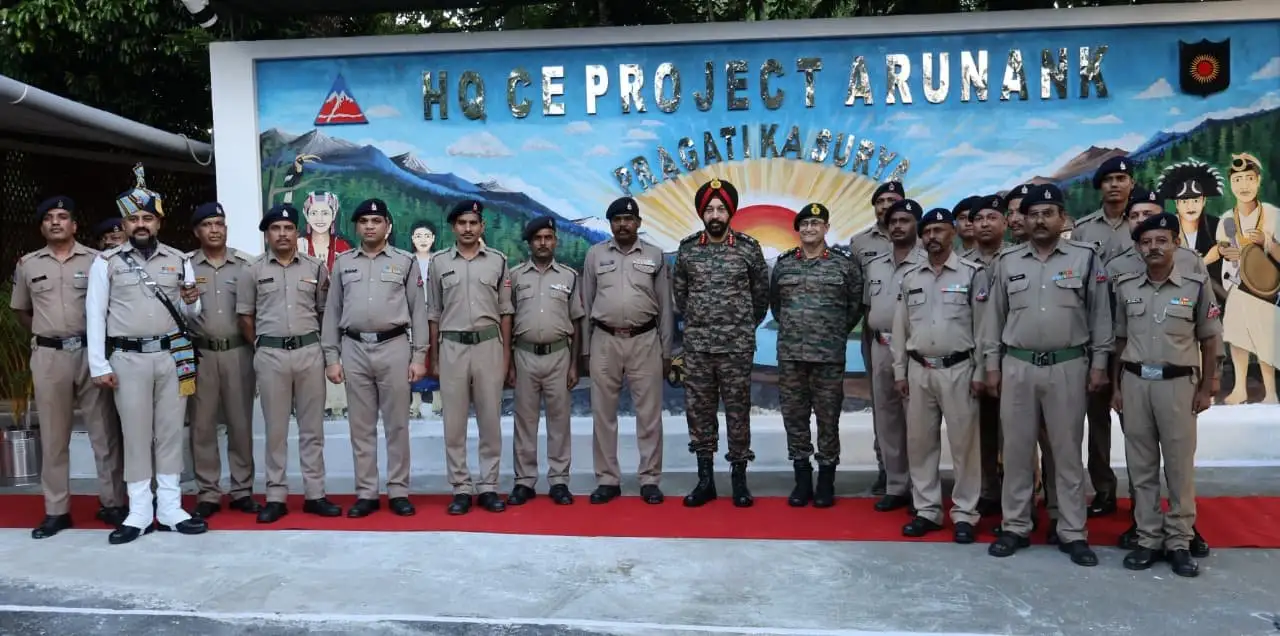
The DGBR emphasised the importance of timely execution of projects while maintaining high standards of construction quality. The twin priorities are particularly significant for infrastructure being developed in frontier regions, where delays or deficiencies can affect the broader objective of strengthening connectivity and ensuring reliable access.
The projects under Brahmank and Arunank form part of BRO’s continuing infrastructure efforts in the Northeast, an area where road connectivity remains central to both development and strategic mobility. Improved road networks can facilitate movement between remote areas while also supporting the accessibility and integration of frontier communities.
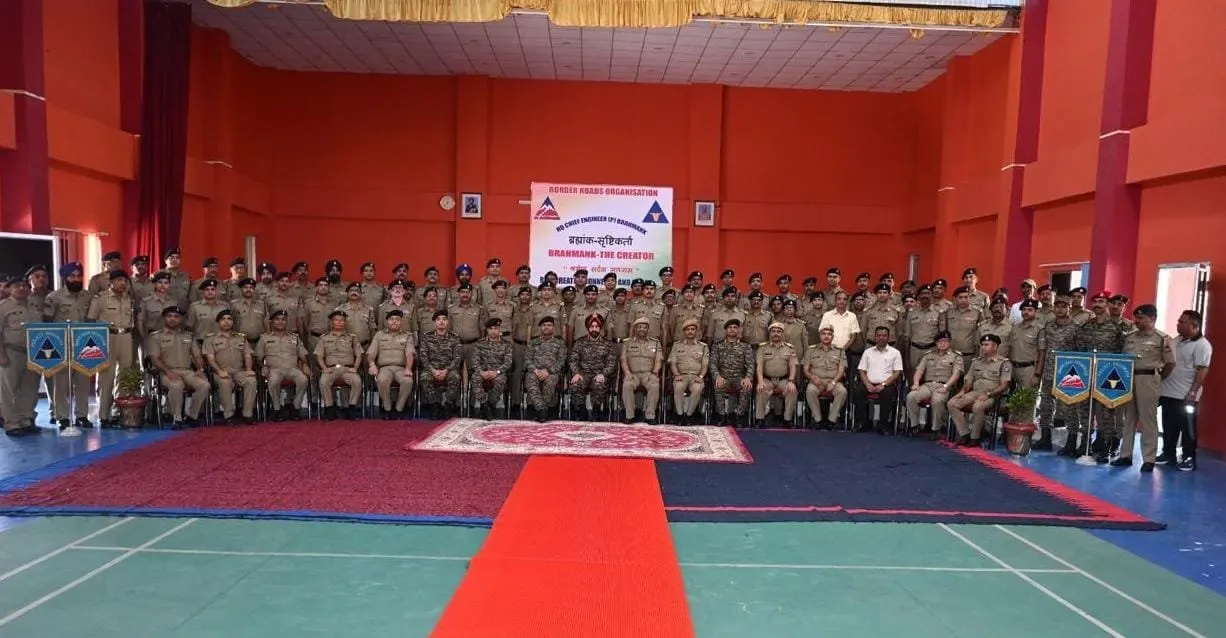
For the Armed Forces, reliable connectivity is closely linked with operational preparedness. Roads and associated infrastructure provide the physical network required for movement and sustainment, enabling personnel and resources to reach remote locations more efficiently. In areas characterised by difficult terrain, dependable connectivity can assume even greater importance during periods of adverse weather.
Lt Gen Harpal Singh’s emphasis on all-weather access therefore underlines the need for infrastructure that remains dependable throughout the year rather than functioning only during favourable conditions. Such connectivity can improve the resilience of movement networks and contribute to sustained access to remote areas.
The DGBR’s visit also placed emphasis on the human element behind the infrastructure effort. BRO Karmayogis routinely work in demanding environments, and their dedication remains central to the organisation’s ability to execute projects in challenging terrain. Recognition of their professionalism and resilience reinforces the importance of maintaining high standards of commitment alongside engineering and construction excellence.
The Northeast has emerged as an important focus of India’s infrastructure development efforts, with improved connectivity intended to support remote communities while strengthening strategic mobility. Road construction in such areas is consequently not merely an infrastructure exercise but part of a broader effort to improve accessibility, resilience and integration.
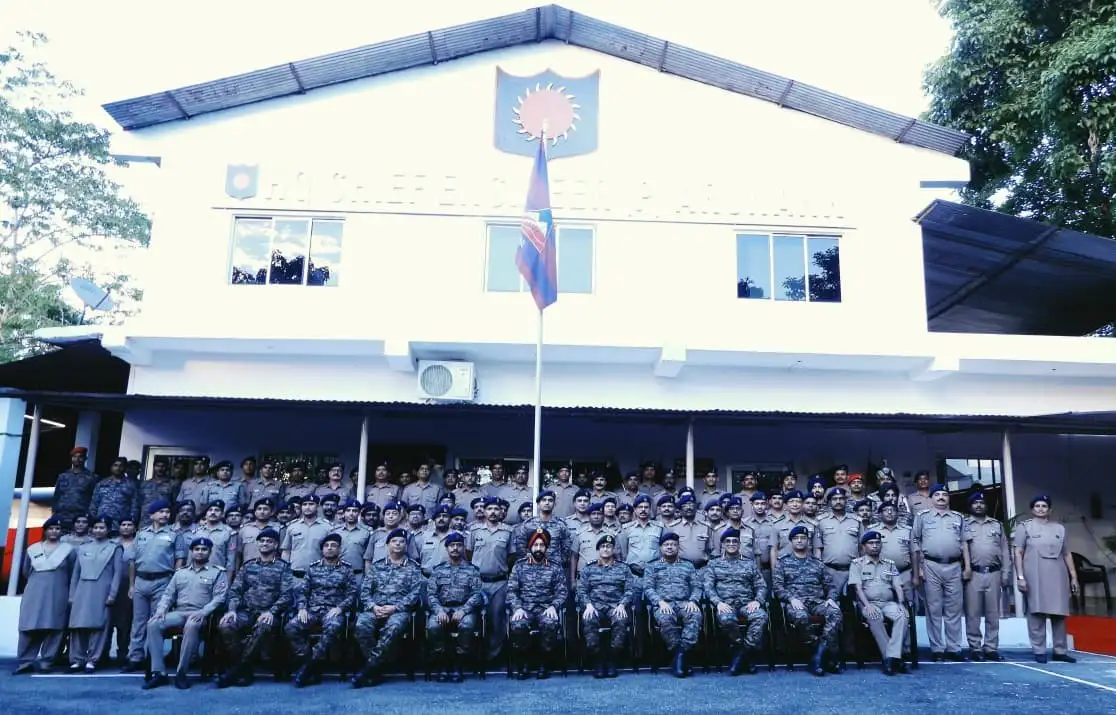
Projects Brahmank and Arunank are being executed against this backdrop, with their work contributing to the wider connectivity architecture of the region. The DGBR’s review provided an opportunity to assess ongoing efforts while reiterating the organisational priorities of timely completion, quality construction and dependable access.
The visit also reflects the BRO’s continuing role in supporting India’s infrastructure requirements along challenging frontier areas. Its personnel operate in environments where terrain, distance and weather can significantly increase the complexity of construction and maintenance. Maintaining momentum under such conditions requires technical competence, logistical planning and sustained commitment from the workforce.
By stressing timely execution and quality, Lt Gen Harpal Singh reinforced the need to balance speed with durability. Infrastructure intended to serve remote frontier areas must not only be completed within planned timelines but also deliver dependable performance over the long term.
The DGBR’s review of Projects Brahmank and Arunank ultimately highlighted the strategic importance of connectivity in the Northeast. As India continues to strengthen infrastructure in remote frontier areas, all-weather roads and resilient connectivity networks will remain important enablers of operational preparedness, regional accessibility and national development.
The visit reaffirmed BRO’s commitment to delivering quality infrastructure in demanding environments and recognised the Karmayogis whose sustained efforts make such projects possible. Through timely execution, engineering quality and improved access, these infrastructure initiatives are aimed at strengthening connectivity in some of the country’s most challenging frontier regions.