
The Central Reserve Police Force (CRPF), India’s largest Central Armed Police Force, has recorded 12 consecutive months without a single operational fatality the first such period in 47 years. Director General Gyanendra Pratap Singh (GP Singh) announced the milestone on X on 1 November 2026.





The last operational fatality occurred on 30 October 2025, when Inspector Kousal Kumar Mishra and Head Constable Mahendra Lashkar were killed in a blast during an area-domination exercise in West Singhbhum, Jharkhand. The previous comparable zero-fatality stretch ended in January 1979.
In a post, DG Singh described the achievement as “a significant milestone in the history of CRPF.” He attributed it to the provision of the latest contemporary hardware, better training, strategic planning, and an intensified focus on post-incident response, including high-speed evacuation of injured personnel to secondary and tertiary medical facilities. He noted that the record was achieved while the force remained fully deployed and engaged across major operational theatres, where it continued to deliver significant results. “We remain committed to keep the country peaceful & safe for all its citizens,” he wrote.
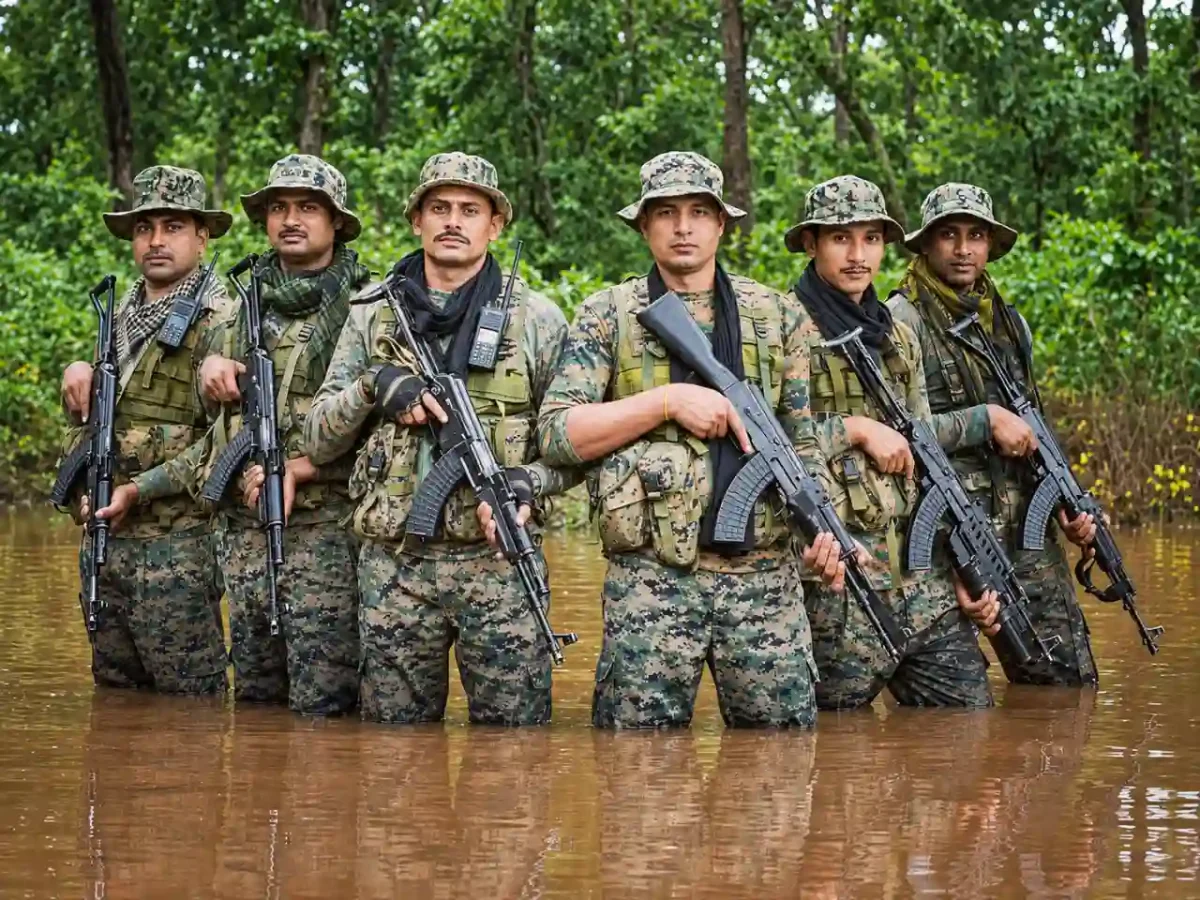
The milestone coincides with the sharp decline and formal end of Left-Wing Extremism (LWE). On or around 30–31 March 2026, the government declared India free of Naxalism/Maoism after meeting its long-standing deadline. No LWE-affected districts remain, down from more than 100 at the peak of the insurgency in the mid-2000s. At its height, nearly 50,000 CRPF personnel were deployed in LWE areas, including about 40,000 in Chhattisgarh’s Bastar region. In 2025, eight of nine CRPF personnel killed in action died in LWE-affected areas of Jharkhand, Chhattisgarh and Odisha; one died during field firing practice. In 2024, the force recorded 12 deaths across Chhattisgarh, Jammu and Kashmir, and Manipur.
With Maoist violence effectively dismantled marked by large-scale surrenders, arrests (including the last Central Committee member, Misir Besra, on 28 July 2026), and the elimination of senior leadership the operational environment for CRPF has changed markedly. The force’s strength exceeds 300,000 personnel.
Attention has now shifted toward other theatres, particularly Manipur, where ethnic violence involving Naga and Kuki groups continues. Several battalions have been redeployed from Bastar, and CRPF has taken over certain camps previously held by Suspension of Operations (SoO) cadres while also replacing Assam Rifles at some locations. Recent injuries to CRPF personnel in Imphal have been linked to bomb attacks. Concurrently, units continue civic-action programmes in Manipur villages, distributing solar street lights, water storage tanks and other essentials.
The zero-operational-fatality record is distinct from non-operational losses. Separate reports have highlighted suicides among CRPF personnel; the National Human Rights Commission took note of 19 such cases between January and May 2026.
GP Singh, a 1991-batch IPS officer of the Assam-Meghalaya cadre and former Director General of Assam Police, assumed charge as CRPF Director General in January 2025. His tenure runs until superannuation on 30 November 2027.
The achievement reflects both the sustained improvement in force capabilities and the broader success of the multi-pronged security and development strategy against LWE. As the CRPF recalibrates deployments, its continued presence in high-intensity areas such as Manipur will test whether the same combination of equipment, training, planning and medical response can sustain low casualties in new operational environments.