
The Indian Navy and the Royal Navy of Oman successfully conducted the 15th edition of the bilateral maritime exercise Naseem Al Bahr, also known as Sea Breeze, further strengthening maritime cooperation and operational coordination between the two countries. The exercise focused on enhancing interoperability, exchanging professional expertise and improving mutual understanding through specialised training activities and coordinated naval operations.
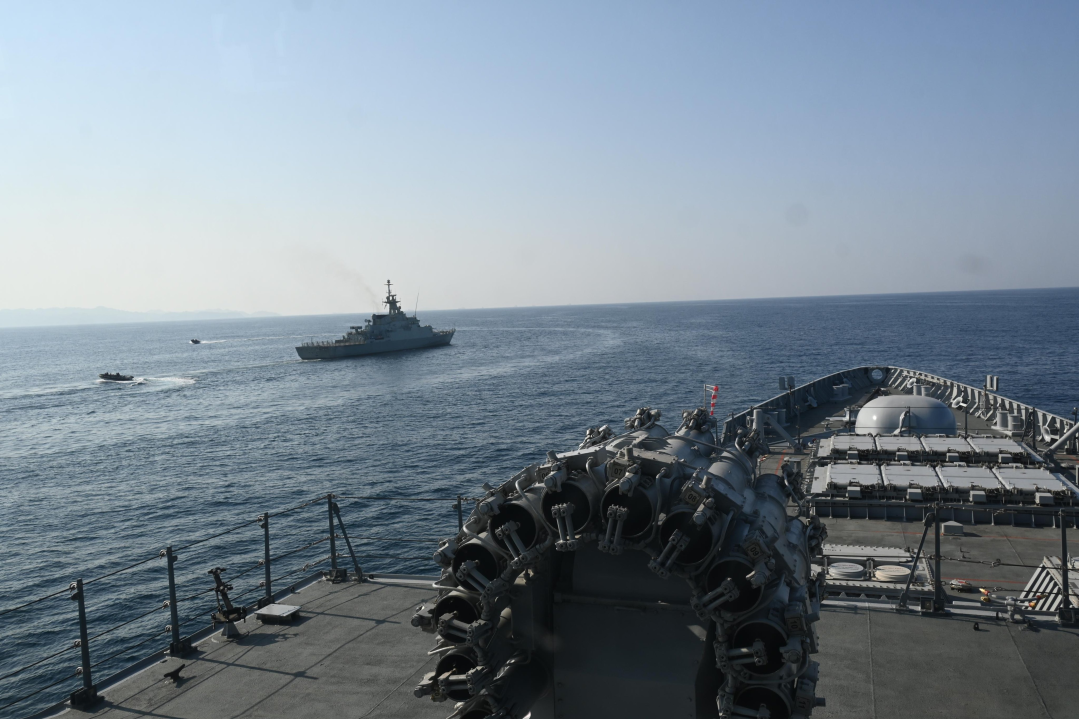
The bilateral exercise brought together personnel and naval assets from both countries to undertake a series of professional exchanges and operational drills. Indian Naval Ship INS Surat and Royal Navy of Oman vessel Al-Mu’azzar participated in the sea phase, conducting joint maritime activities aimed at improving coordination and operational effectiveness.
Exercise Naseem Al Bahr represents an important component of the longstanding defence relationship between India and Oman. The engagement provides both navies with opportunities to strengthen professional relationships, exchange operational experience and develop common procedures for maritime operations.
The exercise was conducted in two phases, comprising harbour-based professional interactions followed by practical operational activities at sea. This structure enabled participating personnel to exchange specialised knowledge before applying coordinated procedures during maritime drills.
During the harbour phase, specialist teams from the Indian Navy and Royal Navy of Oman participated in Subject Matter Expert Exchanges (SMEE) covering important areas of maritime operations. These exchanges focused on Explosive Ordnance Disposal (EOD), Mine Countermeasure Operations and Hydrography, reflecting the importance of specialised capabilities in maintaining maritime safety and operational preparedness.
Explosive Ordnance Disposal is a critical naval capability involving the identification, assessment and safe handling of explosive threats. Expertise in this field is essential for protecting naval personnel, vessels and maritime infrastructure from potentially dangerous explosive devices.
Mine Countermeasure Operations formed another important component of the professional exchanges. Naval mines can pose significant threats to military and commercial shipping, making mine detection, identification and clearance important responsibilities for maritime forces. Discussions in this area provided opportunities for specialists from both navies to exchange operational knowledge and experience.
Hydrography was also included in the harbour phase interactions. Hydrographic activities involve surveying and understanding the physical characteristics of maritime environments, including water depths, seabed features and navigational conditions. Accurate hydrographic information supports safe navigation, maritime planning and naval operations.
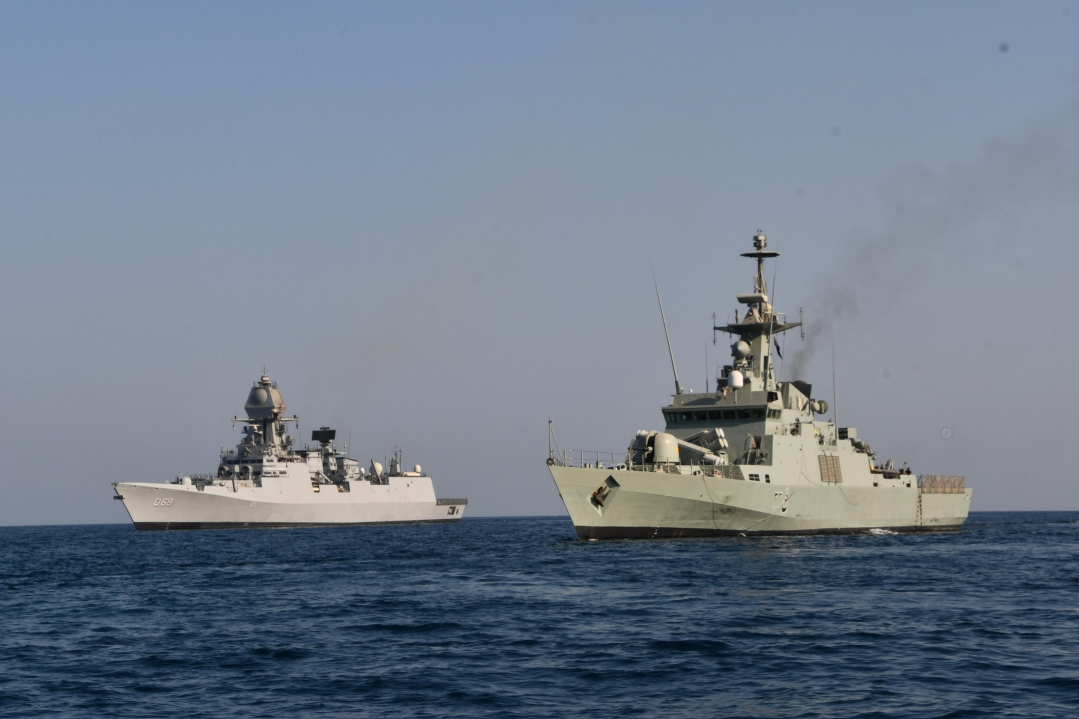
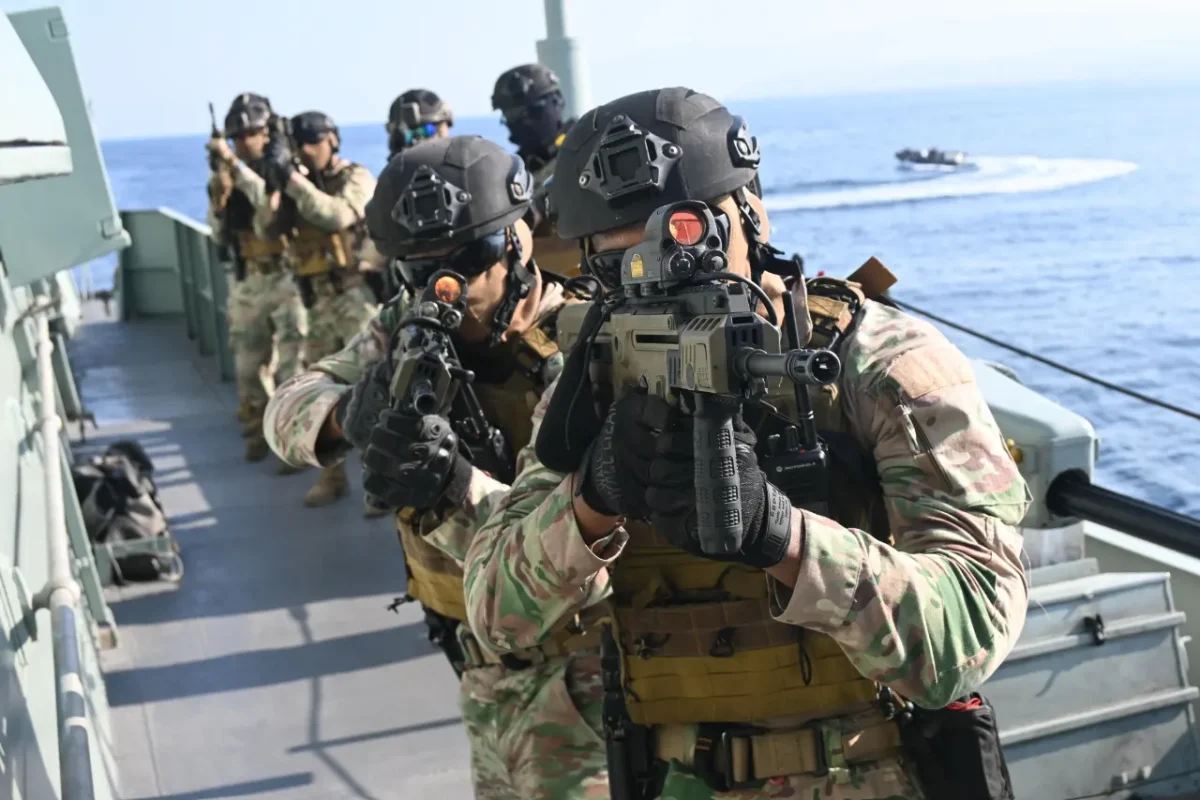
The sea phase of Exercise Naseem Al Bahr featured coordinated operational activities involving INS Surat and Al-Mu’azzar. The participating vessels conducted joint Visit, Board, Search and Seizure (VBSS) drills and cross-deck operations, allowing personnel from both navies to practise procedures used during maritime security operations.
VBSS drills are an important element of naval training, particularly in operations involving the inspection and boarding of vessels. Such procedures can be relevant to maritime security missions, including the prevention of illegal activities at sea and the enforcement of applicable maritime regulations.
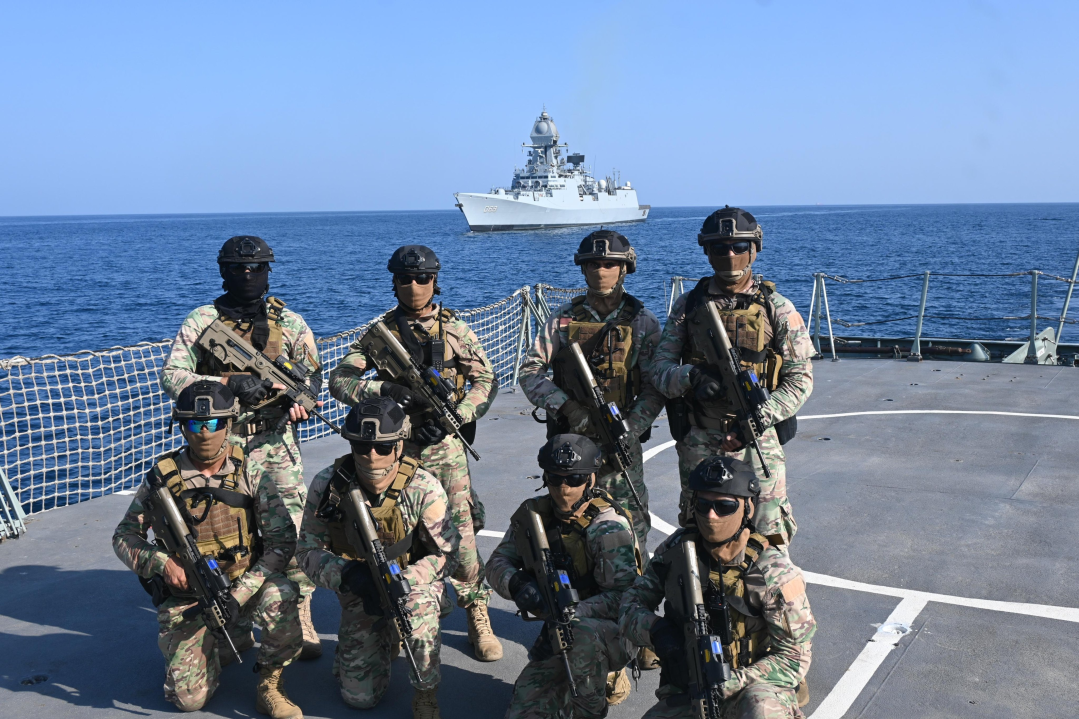
By conducting joint VBSS exercises, the Indian Navy and Royal Navy of Oman were able to practise coordinated boarding procedures, communication and operational teamwork. These activities contribute to improving mutual understanding and strengthening the ability of naval personnel to operate together when required.
Cross-deck operations were another significant component of the sea phase. Such activities involve the movement or exchange of personnel between participating naval platforms under coordinated procedures. They provide opportunities to improve familiarity with each other’s operational practices and strengthen cooperation between crews.
The participation of INS Surat highlighted the Indian Navy’s deployment of modern indigenous warships in international maritime engagements. INS Surat is a Visakhapatnam-class guided-missile destroyer built under Project 15B and represents an important addition to India’s naval capabilities.
The warship is equipped with modern sensors, weapons and combat management systems designed to support a range of maritime operations. Its participation in the bilateral exercise reflects the Indian Navy’s emphasis on maintaining operational readiness while strengthening cooperation with friendly foreign navies.
The Royal Navy of Oman’s participation through Al-Mu’azzar similarly demonstrated Oman’s commitment to maintaining close maritime ties with India and improving professional coordination through regular bilateral engagements.
India and Oman share a strategically important maritime relationship, supported by their geographical positions in the Indian Ocean region and their common interest in maintaining secure sea lanes. Oman occupies a significant location near the approaches to the Strait of Hormuz, one of the world’s most important maritime routes for international trade and energy transportation.
Cooperation between the two navies contributes to broader efforts aimed at promoting maritime stability, strengthening regional partnerships and supporting the safety of commercial shipping across strategically important waters.
Exercise Naseem Al Bahr has developed into an established platform for naval cooperation between India and Oman. The recurring engagement enables both countries to maintain professional military relationships, strengthen operational familiarity and improve their ability to coordinate maritime activities.
The latest edition also reinforced the Indian Navy’s continued engagement with regional maritime partners as part of India’s wider approach to maritime security and cooperation.
The exercise aligns with the Government of India’s vision of MAHASAGAR, which stands for Mutual and Holistic Advancement for Security and Growth Across Regions. The initiative emphasises cooperative approaches to security, development and regional engagement, particularly through partnerships with countries sharing common maritime interests.
Through professional exchanges, coordinated drills and operational interactions, the 15th edition of Naseem Al Bahr demonstrated the importance of sustained naval engagement in building trust and strengthening bilateral defence relationships.
The successful conduct of the exercise reaffirmed the close maritime partnership between India and Oman and highlighted the shared commitment of the Indian Navy and Royal Navy of Oman to enhancing interoperability, promoting professional excellence and contributing to maritime security and stability in the region.