A renewed India–Pakistan armed conflict triggered by heightened terrorist activity is a distinct possibility in 2026, according to a report by the Council on Foreign Relations (CFR), a prominent US-based think tank.





The CFR report, based on a survey of American foreign policy experts, warned of a “moderate to high likelihood” of escalation between New Delhi and Islamabad, citing terrorism as the primary flashpoint. It noted that the Donald Trump administration had actively sought to de-escalate several global conflicts, including tensions between India and Pakistan, alongside disputes in Ukraine, Gaza, the Democratic Republic of Congo, and Southeast Asia.
Background: May 2025 Military Face-Off
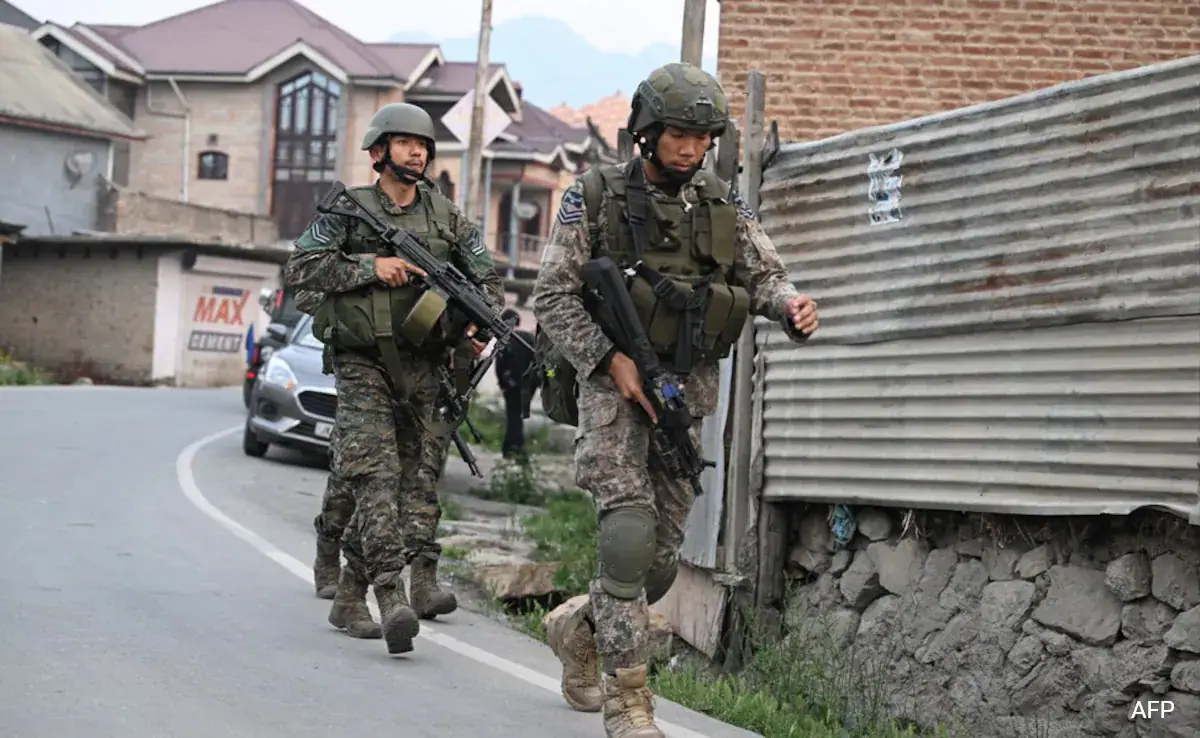
The warning comes against the backdrop of a brief but intense military confrontation in May 2025, following a deadly terror attack in Pahalgam, Jammu and Kashmir, in which 26 civilians were killed.
In response, the Indian Army launched Operation Sindoor on the night of May 6, targeting terrorist infrastructure across the border in Pakistan. According to official Indian assessments, over 100 terrorists and nine terror camps were neutralised during the operation.
Between May 7 and May 10, Pakistan attempted multiple retaliatory strikes using armed drones against Indian military and civilian targets. All incursions were successfully intercepted and neutralised by Indian air defence and ground forces, with no casualties or material damage reported.
Ceasefire After Escalation Pressure
The cumulative military and diplomatic pressure reportedly compelled Pakistan’s military leadership to seek de-escalation. On May 10, the Directors General of Military Operations (DGMO) of both countries engaged in talks, leading to an understanding to cease firing and halt military actions along the Line of Control (LoC).
Regional Instability Adds to Risk
The CFR report also flagged broader regional instability, highlighting a moderate likelihood of armed conflict between Pakistan and Afghanistan in 2026. The assessment linked this risk to resurgent cross-border militant attacks, particularly involving the Tehrik-e-Taliban Pakistan (TTP).
Earlier this year, tensions between Pakistan and Afghanistan escalated after a Pakistani airstrike targeting TTP chief Noor Wali Mehsud, which triggered retaliatory actions and heightened hostilities along the border.
Outlook for 2026
The CFR concluded that terrorism-driven escalation remains the most dangerous trigger in South Asia, warning that without sustained counter-terror measures, diplomatic engagement, and regional stabilisation, India–Pakistan relations could once again slide toward military confrontation in 2026.
The report underlines the fragile security environment in the region, where terror networks, cross-border militancy, and rapid military responses continue to pose serious risks to peace and stability.