
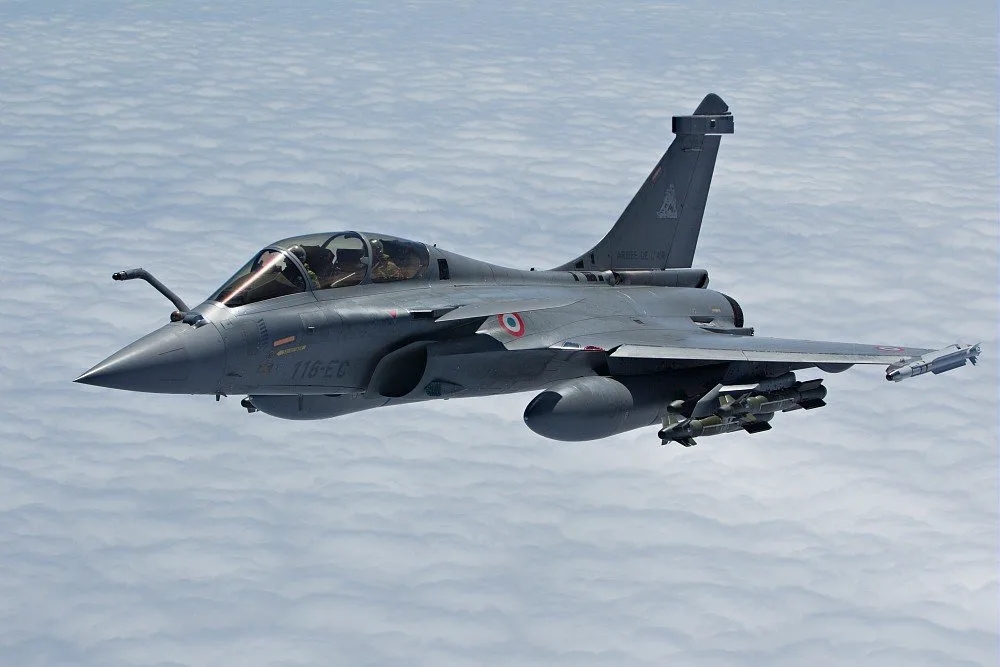
A reported decision by France to deny India access to critical source codes of the Dassault Rafale fighter jet has sparked fresh concerns over India’s long-term airpower independence and defence self-reliance strategy.

What Has France Refused?
According to reports, India will not receive access to core software controlling key systems such as:
- RBE2 AESA radar (developed by Thales Group)
- Modular Data Processing Unit (MDPU) – the aircraft’s mission computer
- SPECTRA electronic warfare suite
These systems form the backbone of the Rafale’s:
- Sensor fusion
- Targeting and survivability
- Electronic warfare capabilities
France considers these technologies highly sensitive and has chosen to retain full control over them.
Impact on India’s Operational Flexibility
The denial means India may face restrictions in:
- Integrating indigenous weapons like Astra missiles or BrahMos variants
- Modifying radar algorithms and electronic warfare systems
- Customising mission software independently
This could result in:
- Continued reliance on French approval for upgrades
- Delays in capability enhancements during crises
- Increased long-term operational dependency
Implications for MRFA Deal
The development comes at a crucial time as India evaluates a potential deal for 114 additional Rafale jets under its Multi-Role Fighter Aircraft (MRFA) programme.
- Estimated cost: ~$36 billion
- Would shape India’s airpower structure for decades
With the Indian Air Force currently operating around 31 squadrons against a requirement of 42, the urgency of acquisition is high.
Contrast with Russian Offer
In contrast, Russia has reportedly offered:
- Full source code access for the Su-57E fighter jet
- Joint production and customization rights
This model aligns more closely with India’s Aatmanirbhar Bharat vision by enabling:
- Indigenous upgrades
- Greater technological control
- Reduced dependency on foreign vendors
Strategic Dilemma for India
The issue highlights a broader challenge for India:
- Balancing operational urgency with technological sovereignty
- Managing ties with Western partners while exploring alternatives
- Ensuring long-term flexibility in a rapidly evolving threat environment
Delays in India’s indigenous Advanced Medium Combat Aircraft (AMCA) programme further complicate the situation, increasing reliance on foreign acquisitions.
Conclusion
France’s refusal to share Rafale source codes underscores the limits of technology transfer in high-end defence deals. As India weighs its next fighter acquisition, the decision will not just determine fleet strength but also define the country’s strategic autonomy in airpower for decades to come.