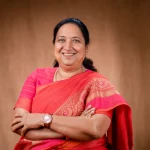

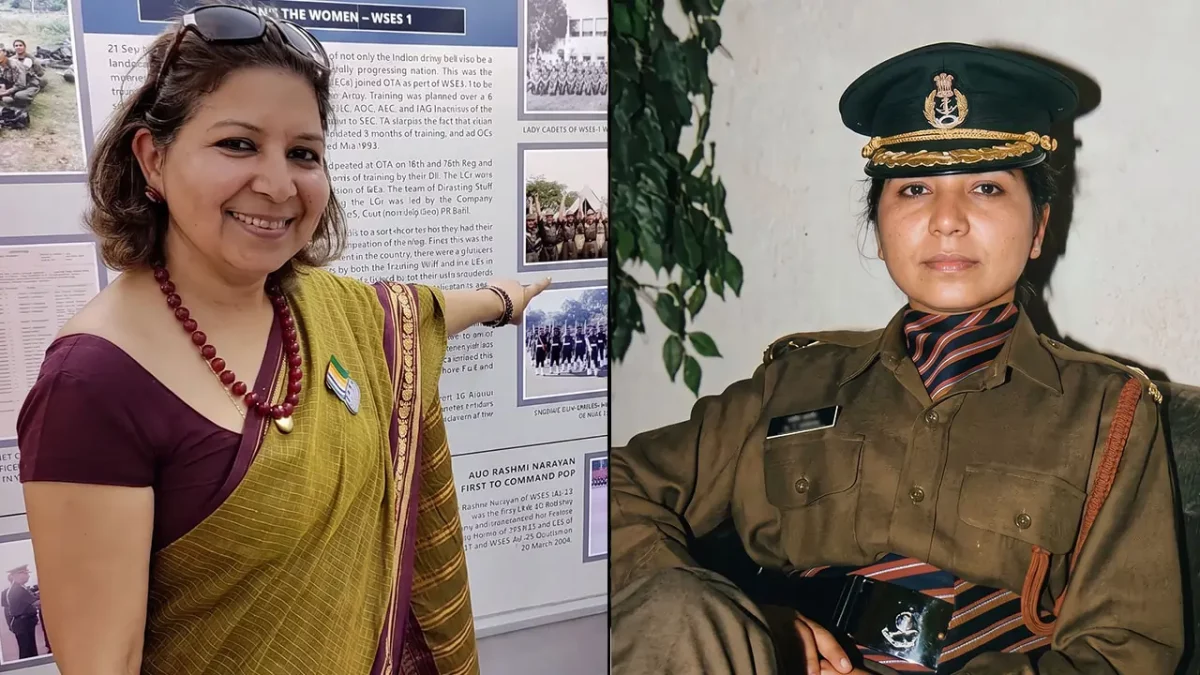
Some stories don’t just inspire — they change the way a nation thinks. Major Alka Sharma’s journey is one such story. It is not just about breaking barriers, but about creating a path where none existed, and walking it with courage, dignity, and unwavering commitment.
Born into a family deeply rooted in values of service and discipline, her earliest memories were shaped by the sight of her father in the Indian Army uniform — a symbol of honour, responsibility, and sacrifice. Her mother, an educator and NCC achiever, reinforced the importance of leadership and self-belief. Growing up in Hisar, Haryana, she was raised in an environment where gender never defined capability. Instead, determination and hard work were the only measures of success.
From a young age, she carried a quiet but powerful dream — to serve the nation in uniform. When the doors of the armed forces opened for women, she stepped forward without hesitation. Though selected for the Indian Air Force, her heart had always belonged to the Army. Choosing the Army was not just a decision; it was a calling shaped by years of inspiration and purpose.
In September 1992, she joined the Officers Training Academy (OTA), Chennai, as part of the first batch of women inducted into the Indian Army. There were no guidelines to follow, no seniors to learn from, and no established paths. Every day was a test of endurance, resilience, and willpower. Yet, she and her fellow officers persevered, proving that determination can overcome even the toughest challenges.
On 6 March 1993, she was commissioned into the Indian Army — marking the beginning of a remarkable journey that would soon become part of history.
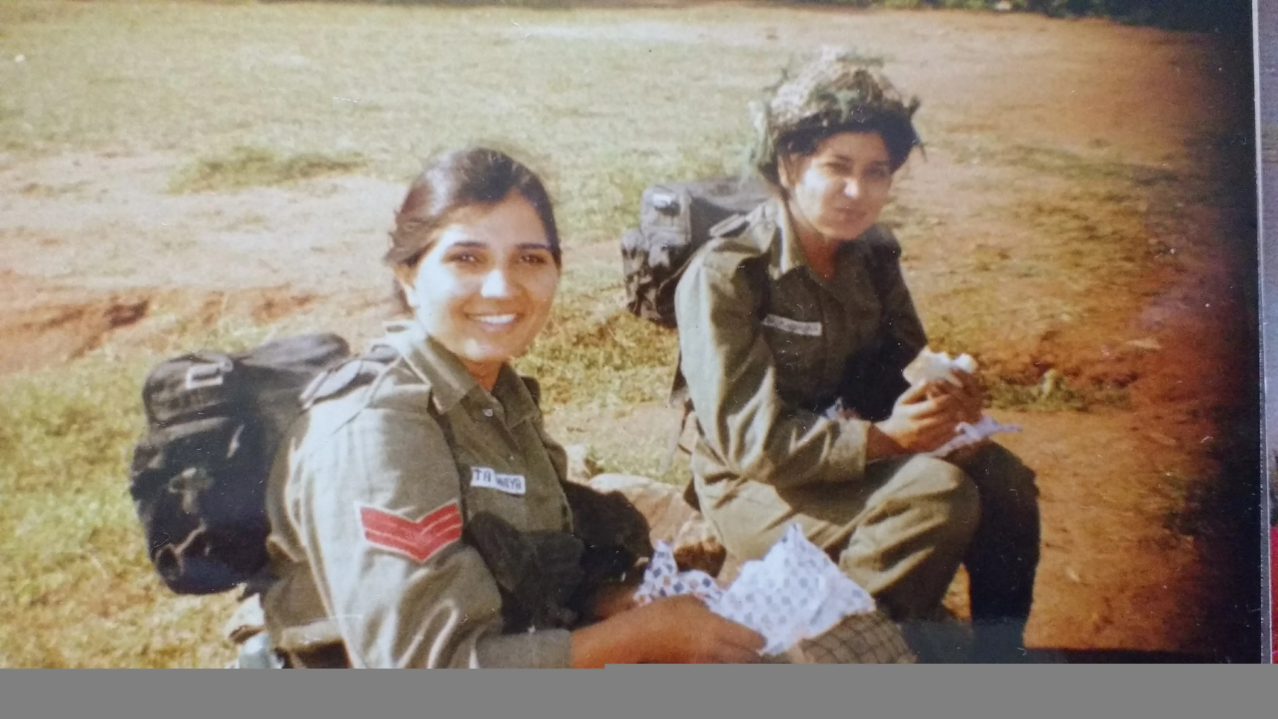
Major Alka Sharma quickly understood that respect in the Army is earned, not given. Through consistent performance, strong leadership, and unwavering dedication, she established herself as an officer who could lead from the front.
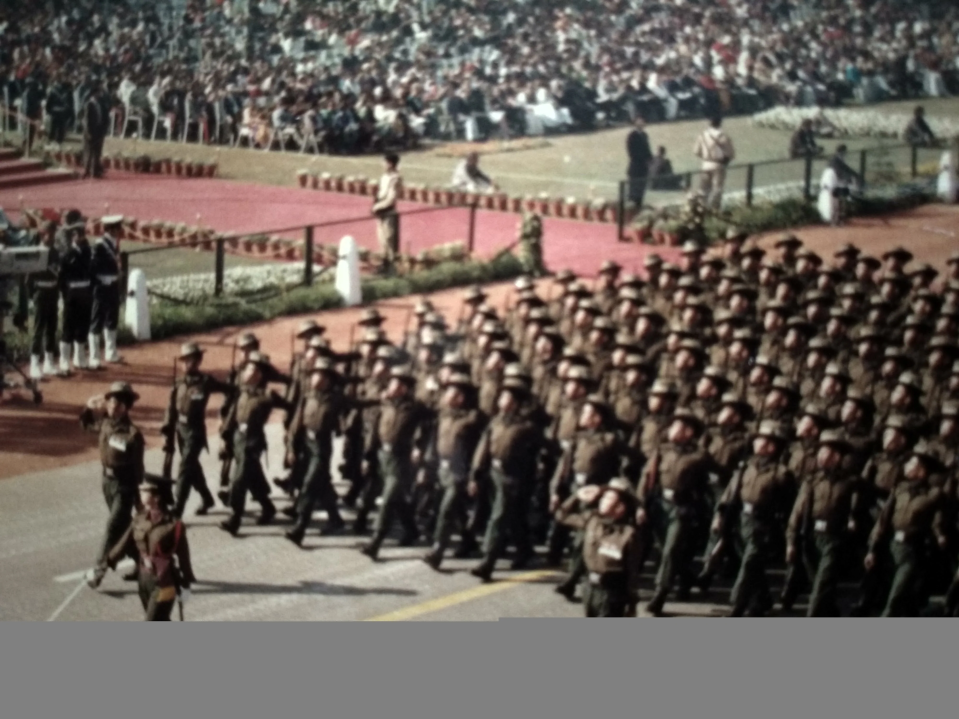
Her defining moment came when she became the first woman officer to lead a contingent at the Republic Day Parade — a milestone that symbolised the changing face of the Indian Army. She also became the first woman to march in the Army Day Parade, and remains the only woman officer to have marched alone on Army Day.
Further cementing her legacy, she became the only woman officer to lead an Infantry Regiment contingent, which went on to win the Best Contingent award. These achievements were not just personal victories — they were milestones for every aspiring woman officer in the country.
Her journey to these achievements was anything but conventional. She would ride her motorcycle to parade practice, sword strapped at her side — a powerful image that challenged stereotypes and inspired many. People often watched in awe, some calling her “Jhansi ki Rani,” a title she embraced with pride, knowing it symbolised strength and defiance.
Even in moments of uncertainty, her resolve never wavered. During a crucial rehearsal, she realised she had forgotten her gloves — an essential part of the drill. In that moment of panic, a traffic policeman stepped forward and lent her his gloves. It was a small gesture, but a powerful reminder that the spirit of service and solidarity exists beyond ranks and uniforms.
On Republic Day, she marched nearly 14 kilometres with her sword held high. The physical challenge was immense, but she felt no fatigue — only pride and honour. As she walked down Rajpath, she wasn’t just leading a contingent; she was leading a transformation.
Her journey extended far beyond ceremonial duties. During Operation Parakram, she was the only woman officer in her brigade’s operational area. In demanding conditions, she managed logistics, drove military vehicles, and ensured that operations continued smoothly. Her role demonstrated that leadership is defined by capability, not gender.
Yet, the greatest challenges were often personal. As a mother, she had to leave her young son in the care of her parents while she fulfilled her duties. That separation reflected the true cost of service — the sacrifices that are rarely seen but deeply felt.
Life in the field brought its own hardships — freezing desert nights, long hours, and minimal comforts. Sleeping in uniform, enduring extreme weather, and adapting to difficult conditions became part of daily life. But at no point did she question her decision. For her, service was not just a profession — it was a commitment.
Even after her military career, her journey of service continued. She turned her focus towards animal welfare, working tirelessly to support and protect those who cannot speak for themselves. Through initiatives like Pawsumm World, she continues to make a difference, proving that service does not end with the uniform — it evolves.
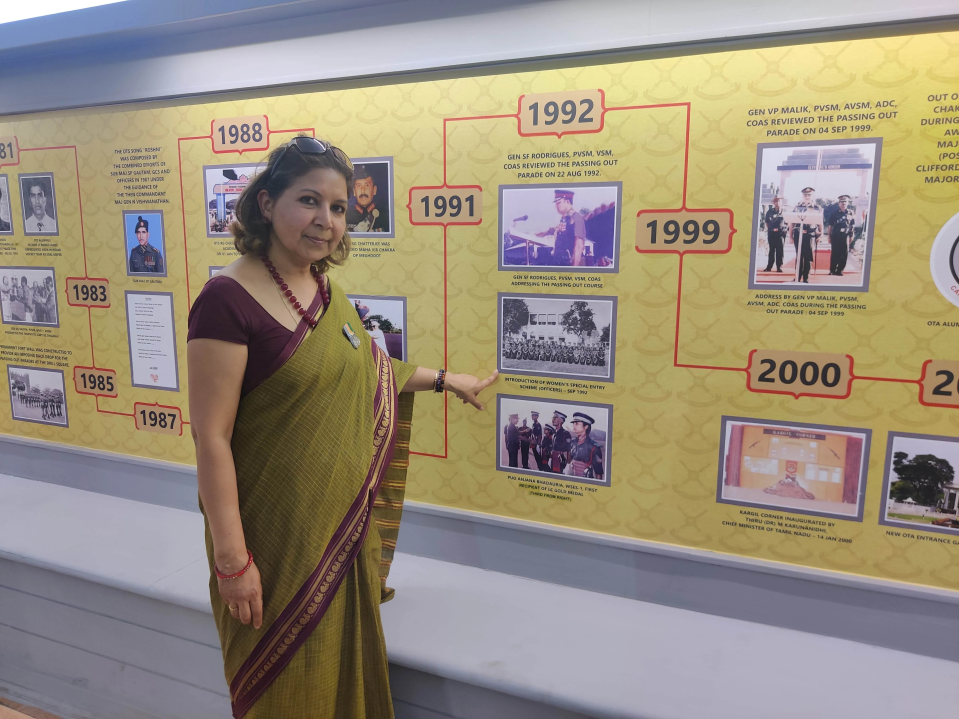
Major Alka Sharma’s story is not merely about being the first. It is about having the courage to step forward when no path exists. It is about resilience in the face of adversity and the strength to continue despite challenges.
Her journey serves as a powerful reminder that barriers are meant to be broken, and dreams are meant to be pursued — regardless of the odds.
If her story inspires even one individual to believe in their potential and strive for excellence, then her legacy continues. Because true leadership is not just about achieving success — it is about inspiring others to follow.