
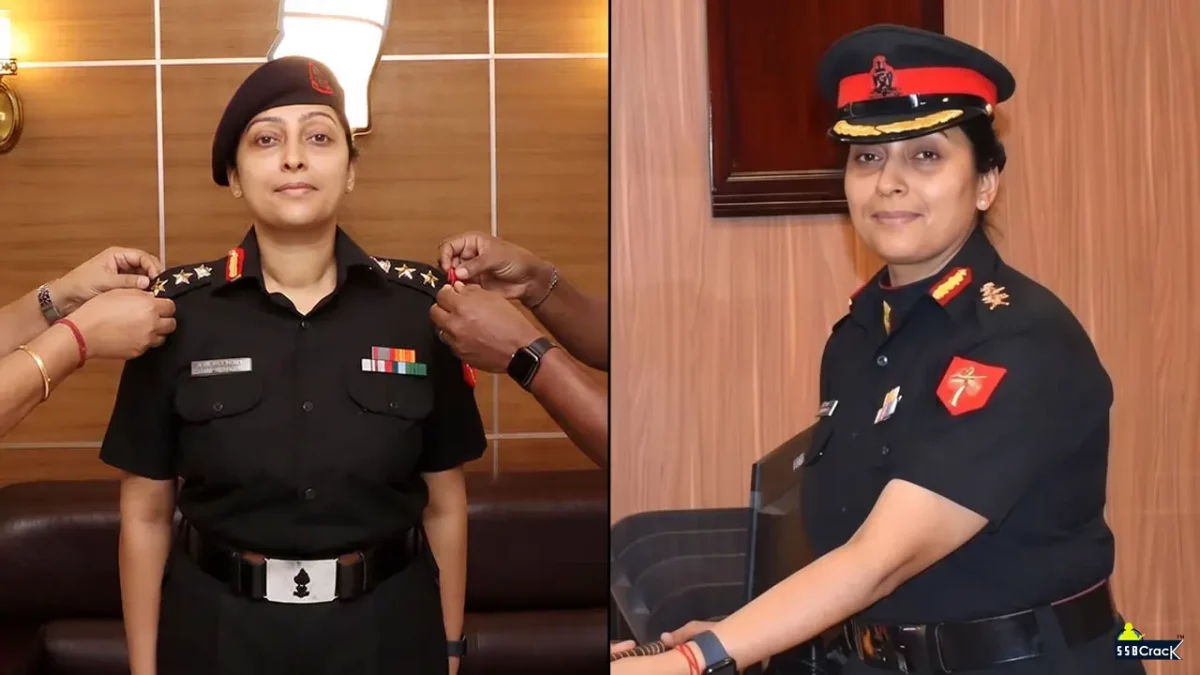
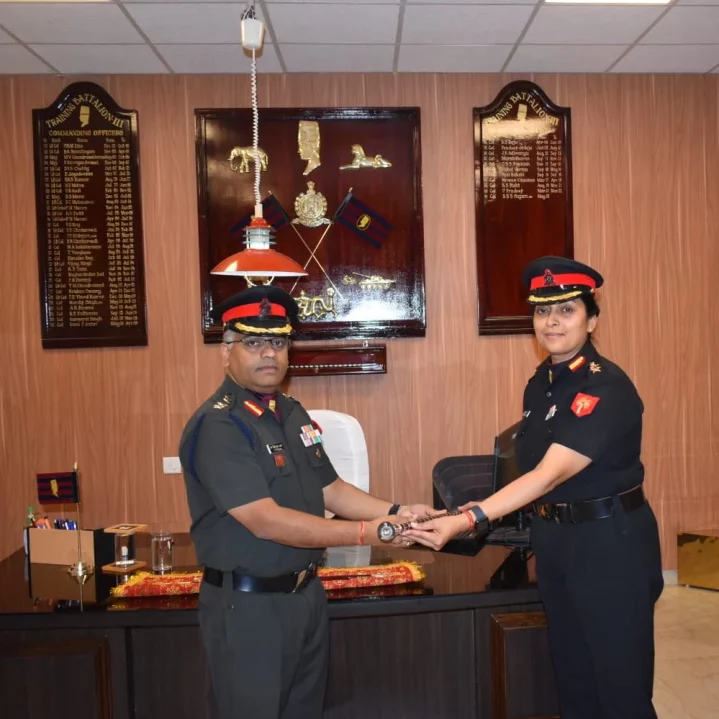
In a significant milestone for gender integration in the Indian Armed Forces, Colonel Noreen Shanet John has become the first woman officer to command an Agniveer training battalion at the Madras Engineering Group & Centre in Bengaluru. Her appointment, which took effect in early 2023, marks a defining moment in the Indian Army’s ongoing efforts to expand leadership opportunities for women in core operational and training roles.





This achievement is particularly notable given the importance of MEG & Centre, one of the oldest military establishments in India with a legacy spanning over two centuries. Known as the regimental home of the Madras Sappers, the institution plays a critical role in shaping combat engineers and now serves as a key training hub for recruits under the Agnipath scheme.
Colonel John’s leadership places her at the forefront of training Agniveers—young recruits inducted for short-term service—equipping them with technical expertise, battlefield engineering skills, discipline, and operational readiness.
Her journey to this historic position began long before her commissioning. As a student at Providence Women’s College in Kozhikode, Kerala, she distinguished herself as an outstanding cadet in the National Cadet Corps. She was adjudged second in the All India Best Cadet Competition during the Republic Day Camp in 1989 and later earned recognition as the best parade commander in 1993. One of the defining moments of her early leadership came when she commanded the Combined Guard of Honour for Prime Minister P. V. Narasimha Rao during the Prime Minister’s Rally.
Her exposure to global perspectives was further enhanced through participation in the Indo-Canada Youth Exchange Programme in 1993–94. These formative experiences laid a strong foundation of discipline, confidence, and leadership that would shape her military career.
Commissioned into the Corps of Engineers on 7 March 1998, Colonel John has served the Indian Army for over 26 years across a range of operational, instructional, and leadership roles. Her career reflects steady progression built on merit and professional excellence. Among her key appointments was serving as a Senior Group Testing Officer at the 14 Services Selection Board in Prayagraj, where she played a crucial role in evaluating and selecting future officers for the armed forces.
In January 2020, she was granted a Permanent Commission, a development aligned with the broader inclusion of women officers in long-term service roles. She was promoted to the rank of Colonel (Select Grade) in January 2023, further affirming her leadership credentials.
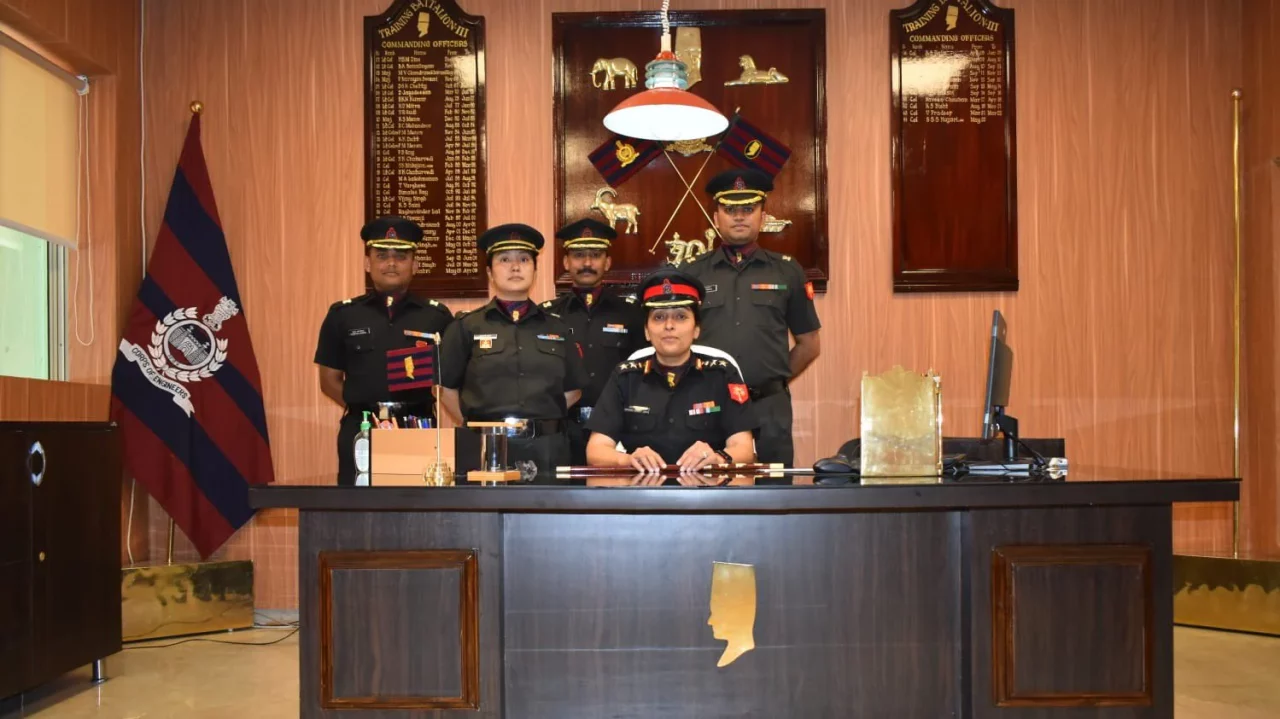
Her appointment at MEG & Centre represents more than an individual milestone—it signals a structural shift in how the Indian Army is integrating women into command positions, including those directly responsible for training combat soldiers. At a time when the Agnipath scheme is reshaping recruitment by bringing in younger personnel for short-term service, the responsibility of training these recruits is both demanding and strategically vital.
Under her command, Agniveers undergo rigorous physical conditioning, technical training, and discipline-oriented instruction to prepare them for diverse operational environments. Her role ensures that the next generation of soldiers is not only technically proficient but also aligned with the core values of the Indian Army—duty, honour, and selfless service.
On the personal front, Colonel John is married to Colonel Monish Dass, VSM (Retired), also from the Corps of Engineers. Their shared background in military service reflects a partnership grounded in mutual understanding of the demands and ethos of life in uniform.
Colonel Noreen Shanet John’s rise from an accomplished NCC cadet to a pioneering commanding officer stands as a powerful example of how determination, competence, and commitment can redefine traditional boundaries. Her leadership is not only strengthening the operational capabilities of the Corps of Engineers but also inspiring a new generation of women to pursue careers in the armed forces.
At a time when the Indian military continues to evolve, her story underscores a simple but powerful truth—leadership is defined by capability, not gender.