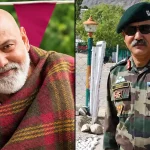

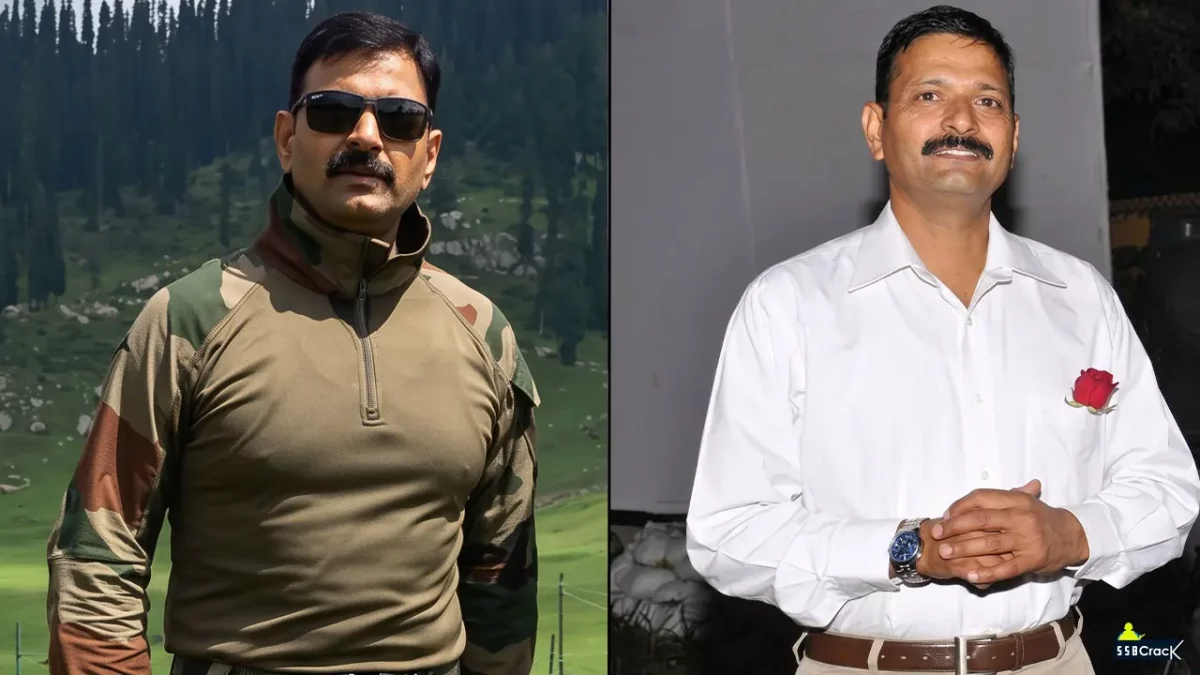
Colonel Ashutosh Sharma, Sena Medal with two bars (posthumously awarded the second bar), remains one of the most respected and decorated officers of the Indian Army in recent years. An officer of the Brigade of the Guards, he commanded the 21st Battalion of the Rashtriya Rifles (21 RR) and became a symbol of courage, leadership, and unwavering commitment during counter-insurgency operations in Jammu and Kashmir. On 2 May 2020, he made the supreme sacrifice while leading a high-risk operation in Handwara, Kupwara district, setting an enduring example of leading from the front. His actions not only neutralised terrorists but also ensured the safe rescue of civilians, reflecting the highest traditions of the Indian Army.


Born on 3 July 1975 in Parwana village of Bulandshahr district in Uttar Pradesh, Colonel Sharma grew up in a disciplined and service-oriented family. His father, Shri Shambhu Dutt Pathak, served as a soil conservation officer, while his mother, Smt Sudha Sharma, nurtured strong values of dedication and perseverance in him. He completed his schooling and graduation at DAV Inter College in Bulandshahr. From an early age, he was determined to join the armed forces, a goal he pursued with remarkable persistence despite repeated setbacks.
His journey to the Indian Army is a testament to resilience. Colonel Sharma cleared the UPSC written examination multiple times but faced challenges in the Services Selection Board interviews. Undeterred, he continued his efforts and finally succeeded on his 13th attempt after nearly six-and-a-half years. He was commissioned into the Indian Army on 1 September 2001 through the Short Service Commission (SSC-72) course after training at the Officers Training Academy, Chennai. He was inducted into the 19th Battalion of the Brigade of the Guards, marking the beginning of a distinguished military career.
Over nearly two decades of service, Colonel Sharma built a reputation as a highly skilled and courageous officer, particularly in counter-insurgency and internal security operations. His deployments in Jammu and Kashmir, especially in the challenging Rajwar forest region, highlighted his tactical expertise and calm decision-making under pressure. By 2020, he had risen to the rank of Colonel and was commanding the 21st Battalion of the Rashtriya Rifles in the Kupwara sector, one of the most sensitive operational areas in the country. Known for personally leading operations, he consistently placed himself at the forefront alongside his troops.
Colonel Sharma’s record of gallantry is exceptional and rare. He was awarded the Sena Medal for gallantry three times, a distinction achieved by very few officers. His first Sena Medal was awarded on 26 January 2018 for exemplary courage and leadership during counter-insurgency operations. He received a bar to the Sena Medal on 15 August 2019 for an act of extraordinary bravery in which he personally neutralised a terrorist who was advancing towards his troops and Jammu and Kashmir Police personnel with a concealed grenade, thereby preventing significant casualties. His final recognition, the second bar to the Sena Medal, was awarded posthumously on 26 January 2021 for his leadership and sacrifice during the Handwara operation.
The events of 1–2 May 2020 in Handwara stand as a defining chapter in his life. Acting on intelligence inputs about terrorist presence in the Wadarbala-Rajwar forests, a joint operation involving 21 RR, the Central Reserve Police Force, and Jammu and Kashmir Police was launched. During the operation, fresh intelligence indicated that terrorists had taken shelter in houses in Chanjimulla village and were holding civilians hostage. Colonel Sharma immediately led a cordon-and-search operation to neutralise the threat.
The operation quickly escalated into a fierce encounter lasting several hours. Civilians were successfully evacuated, but security forces came under intense automatic fire. Demonstrating exceptional leadership, Colonel Sharma led from the front during the engagement. In the ensuing gun battle, two terrorists were eliminated. However, Colonel Sharma, along with Major Anuj Sood, Naik Rajesh Kumar, Lance Naik Dinesh Singh, and Sub-Inspector Shakeel Qazi of the Jammu and Kashmir Police, sustained fatal injuries. His sacrifice was particularly significant as he became one of the few Commanding Officers in recent years to lay down his life while leading troops in a counter-terrorist operation.
His mortal remains were brought to Jaipur, where he was cremated with full military honours on 5 May 2020. The ceremony witnessed the presence of senior military officials, civil dignitaries, and countless citizens who gathered to pay their last respects to a fallen hero.
Colonel Ashutosh Sharma is survived by his wife Pallavi Sharma, whom he married in 2010, their daughter Tamanna, and his parents. His family has continued to uphold his legacy with pride, often remembering him as a devoted officer and a caring family man.
His legacy continues to inspire both serving personnel and aspiring officers. Every year, his sacrifice is remembered on his Balidan Diwas, with tributes pouring in from across the country. Colonel Sharma’s life exemplifies the essence of military leadership—courage under fire, selflessness in action, and an unwavering commitment to the nation. His story serves as a powerful reminder that true leadership lies in standing with one’s men in the most dangerous moments.
Colonel Ashutosh Sharma’s sacrifice remains a shining example of the bravery and dedication of the Indian Armed Forces. His life and service continue to inspire generations, reinforcing the enduring spirit of duty, honour, and sacrifice that defines the Indian Army.