Air Marshal PV Shivanand, Air Officer Commanding-in-Chief (AOC-in-C), South Western Air Command (SWAC), undertook an operational review of air bases in the Saurashtra sector, assessing the readiness of key facilities and personnel in the region. The visit focused on operational preparedness, air defence capabilities and the ability of the formations and stations to maintain a high state of readiness.





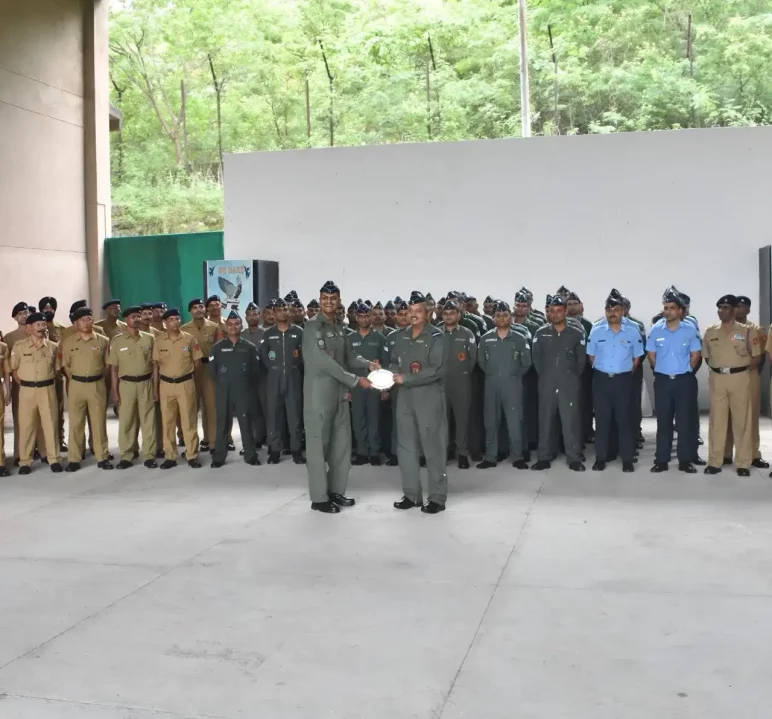
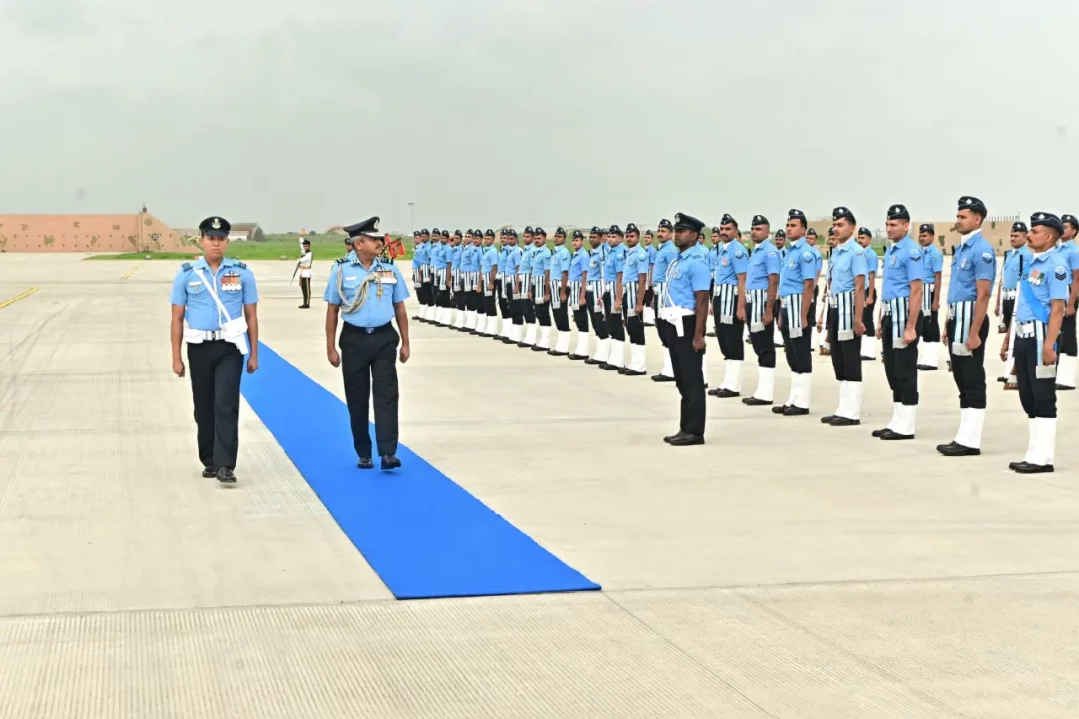
On arrival, Air Mshl PV Shivanand was accorded a ceremonial Guard of Honour, marking the beginning of his operational review. During the visit, the Air Marshal interacted with station personnel and reviewed various facilities associated with air operations and air defence, gaining an assessment of the preparedness and functioning of the bases.
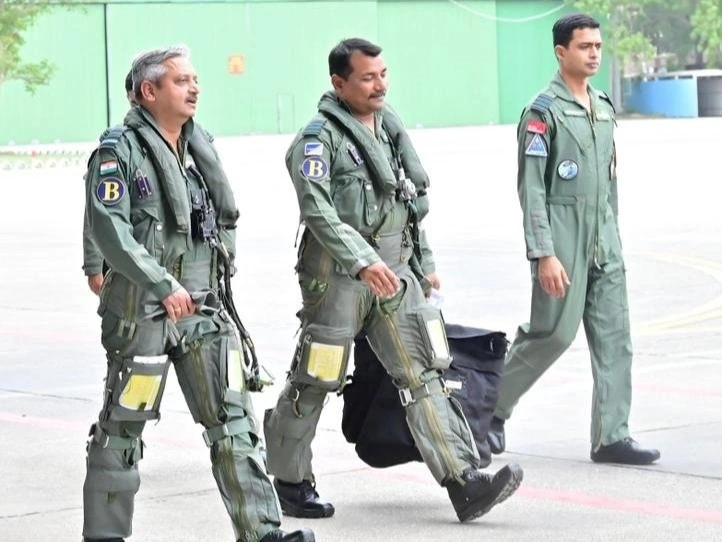
A significant aspect of the visit was the Air Marshal’s sortie on a maritime strike aircraft. The sortie reaffirmed South Western Air Command’s commitment to maintaining a robust capability in the maritime domain and highlighted the importance of air power in supporting maritime security and operational preparedness.
The maritime strike component assumes particular significance for an air command operating in the western region, where air power contributes to the surveillance, protection and defence of India’s maritime approaches. The sortie provided the AOC-in-C an opportunity to gain direct operational exposure to the capabilities and employment of the aircraft while reinforcing the importance of maintaining a credible maritime strike capability.
During the operational review, Air Mshl Shivanand inspected Air Defence and Air Operations facilities at the air bases. The review covered critical elements associated with the conduct of air operations and the maintenance of air defence preparedness, with the objective of ensuring that the stations remain capable of responding effectively to operational contingencies.
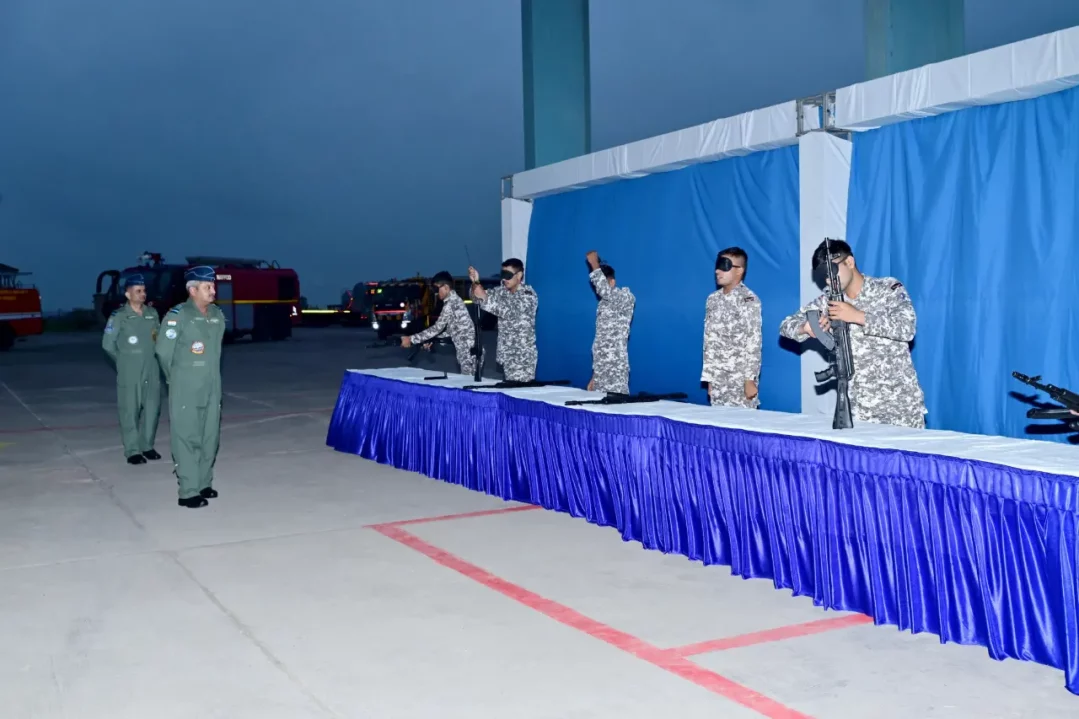
The emphasis on Air Defence reflects the importance of maintaining continuous situational awareness and a high level of preparedness in an environment where threats can emerge with limited warning. Effective air defence requires trained personnel, operationally ready systems, efficient coordination and the ability to respond rapidly to changing circumstances.
Air Operations facilities similarly form an important part of the operational architecture of an air base, supporting the planning, coordination and execution of missions. Regular reviews by senior commanders help assess preparedness and identify areas requiring continued attention to ensure that operational capabilities remain effective.
Interacting with station personnel, Air Mshl PV Shivanand emphasised the importance of 24×7 operational vigilance. He stressed that readiness cannot be limited to scheduled operational periods and must remain an around-the-clock responsibility, particularly for personnel entrusted with air defence and air operations.
The AOC-in-C also underscored the importance of professionalism and training rigour. Maintaining a high level of operational effectiveness requires personnel to remain proficient in their roles, regularly train for contingencies and consistently adhere to established procedures and standards.
The emphasis on rigorous training is particularly relevant to modern air operations, where the pace of technological and operational change requires personnel to continuously adapt. Training enables air and ground crews to maintain proficiency while preparing them to respond effectively under demanding and unpredictable conditions.
Air Mshl Shivanand further highlighted the importance of physical and mental resilience among personnel. Sustained operational readiness depends not only on the availability of aircraft and systems but also on the ability of personnel to perform effectively under pressure, maintain alertness and operate for prolonged periods when required.
The emphasis on resilience is also closely linked to the changing character of military operations, where personnel may be required to operate in high-tempo environments and respond rapidly to evolving operational situations. Physical fitness, mental preparedness, discipline and teamwork therefore remain essential components of combat readiness.
The operational review of the Saurashtra sector comes as part of the continuing effort by South Western Air Command to maintain high levels of preparedness across its air bases. Regular visits and assessments by senior commanders provide an opportunity to evaluate operational infrastructure, interact directly with personnel and reinforce the standards expected from formations and stations.
The review also highlighted the interconnected nature of air defence, air operations and maritime capabilities. In a modern operational environment, air power must be capable of supporting missions across different operational domains, while maintaining the flexibility to respond to emerging threats and contingencies.
By undertaking a sortie on a maritime strike aircraft and reviewing both Air Defence and Air Operations facilities, the AOC-in-C placed emphasis on maintaining a comprehensive operational posture. The interaction with personnel further reinforced the importance of preparedness at every level, from individual training and resilience to the functioning of major operational facilities.
The visit ultimately underlined South Western Air Command’s focus on remaining vigilant, professionally prepared and technologically and operationally adaptable. The emphasis on 24×7 vigilance, rigorous training, professionalism and physical and mental resilience reflects the broader requirement for an air force capable of responding effectively to a rapidly changing security environment.
Air Mshl PV Shivanand’s operational review of the Saurashtra sector therefore served as an assessment of current preparedness as well as a reminder of the standards required for future operations. With maritime strike capability, air defence readiness and trained personnel forming key elements of the operational framework, the visit reinforced SWAC’s commitment to maintaining a robust, resilient and future-ready force.