
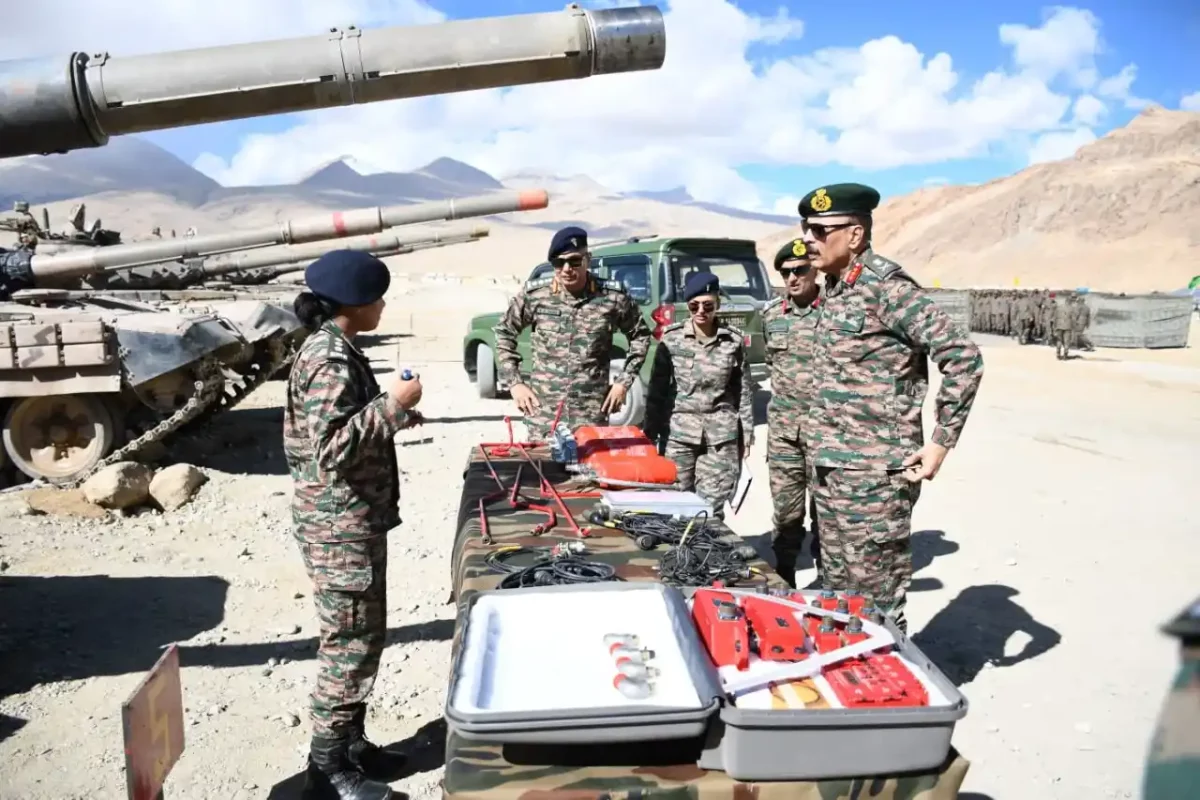
Lt Gen Rajiv Kumar Sahni, Director General Electronics and Mechanical Engineers (DG EME) and Colonel Commandant, Corps of EME, visited forward troops deployed along the Line of Actual Control under the Fire and Fury Corps and reviewed the engineering support framework and operational preparedness of weapons and equipment held by units and formations.

The visit focused on the technical readiness of equipment operating in the challenging terrain and extreme climatic conditions of High Altitude Areas. Lt Gen Sahni assessed various aspects of engineering support and the measures being undertaken to sustain the operational availability of weapons and equipment deployed with forward formations.
During the visit, the General Officer reviewed NGVs, specialised equipment, Unmanned Aerial Systems (UAS), maintenance and repair facilities, and the implementation of emerging technologies. These areas form an important part of the technical support framework required to maintain equipment readiness in demanding operational environments.
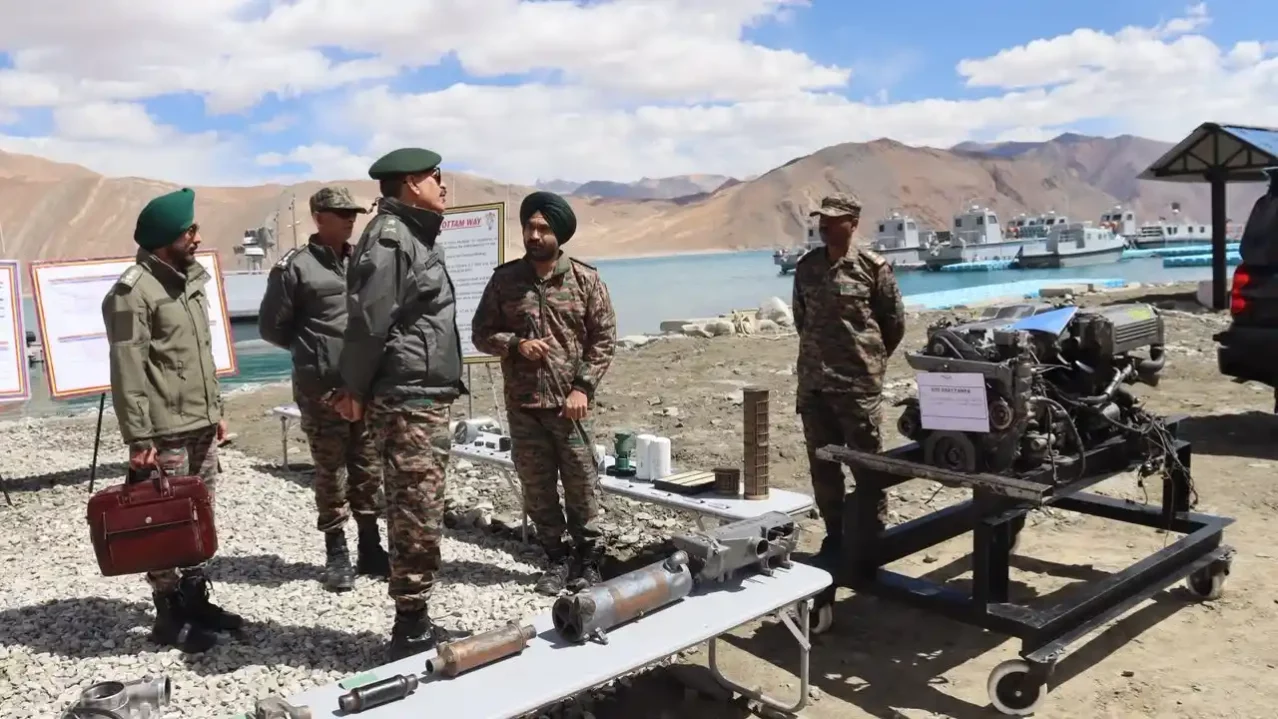
The emphasis on technical preparedness reflects the critical role of the Corps of Electronics and Mechanical Engineers in sustaining Army formations deployed in difficult terrain. Equipment operating at high altitude is required to function reliably despite challenging environmental conditions, making timely maintenance, technical expertise and effective engineering support essential to operational readiness.
Lt Gen Sahni interacted with EME personnel deployed with the formations and reviewed their contribution to maintaining the technical capability of units operating in the sector. The interaction also provided an opportunity to discuss the challenges associated with sustaining weapons, equipment and specialised systems in forward areas.
The DG EME encouraged personnel to maintain professional excellence and mission readiness while continuing to develop innovative solutions to technical and operational challenges. His interaction with EME troops highlighted the importance of technical personnel in ensuring that frontline formations remain adequately supported.
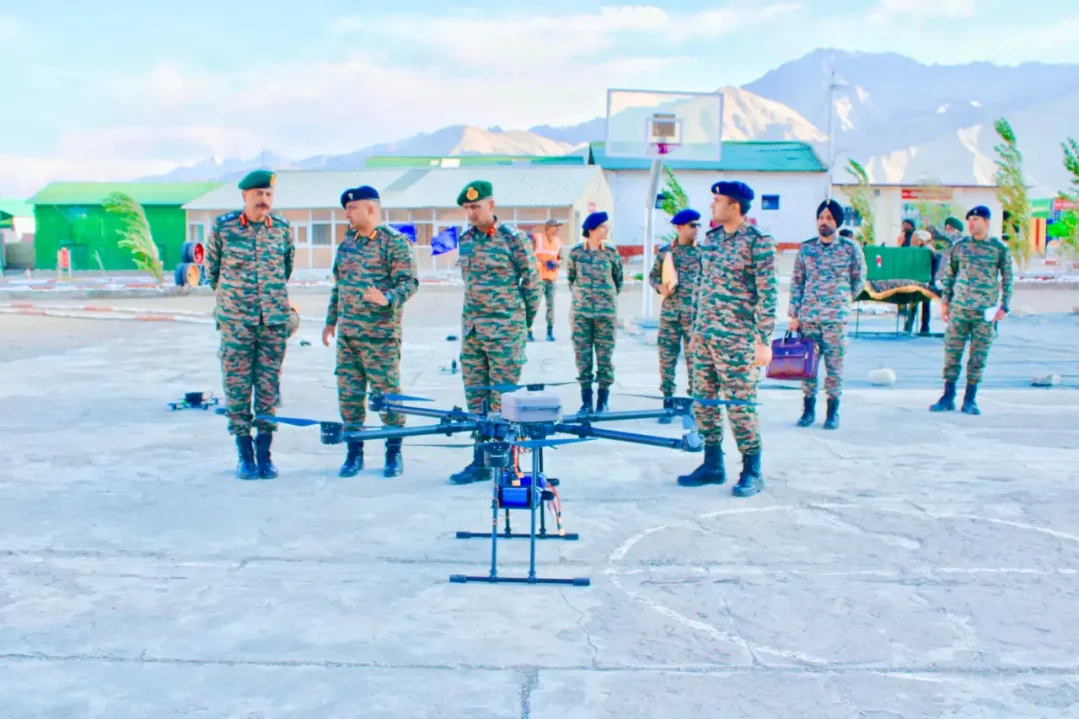
The review also covered the use of emerging technologies, indicating the growing importance of technology-enabled maintenance and support systems within the Army. The focus on UAS and specialised equipment reflects the expanding range of systems that require dedicated technical expertise and sustainment capabilities.
For formations deployed along the LAC, maintaining equipment availability is particularly important because of the combination of difficult terrain, high altitude and extreme climatic conditions. Engineering support has to address these challenges while ensuring that weapons and equipment remain ready for operational employment.
The visit to the Fire and Fury Corps therefore provided Lt Gen Sahni an opportunity to assess the existing support framework at the forward level and engage directly with personnel responsible for maintaining technical readiness.
The Corps of EME provides engineering and technical support to the Indian Army, with its personnel responsible for maintaining and sustaining a wide range of equipment and systems. At forward locations, this support assumes added significance as access to rear-based maintenance infrastructure can be constrained by terrain, weather and operational requirements.
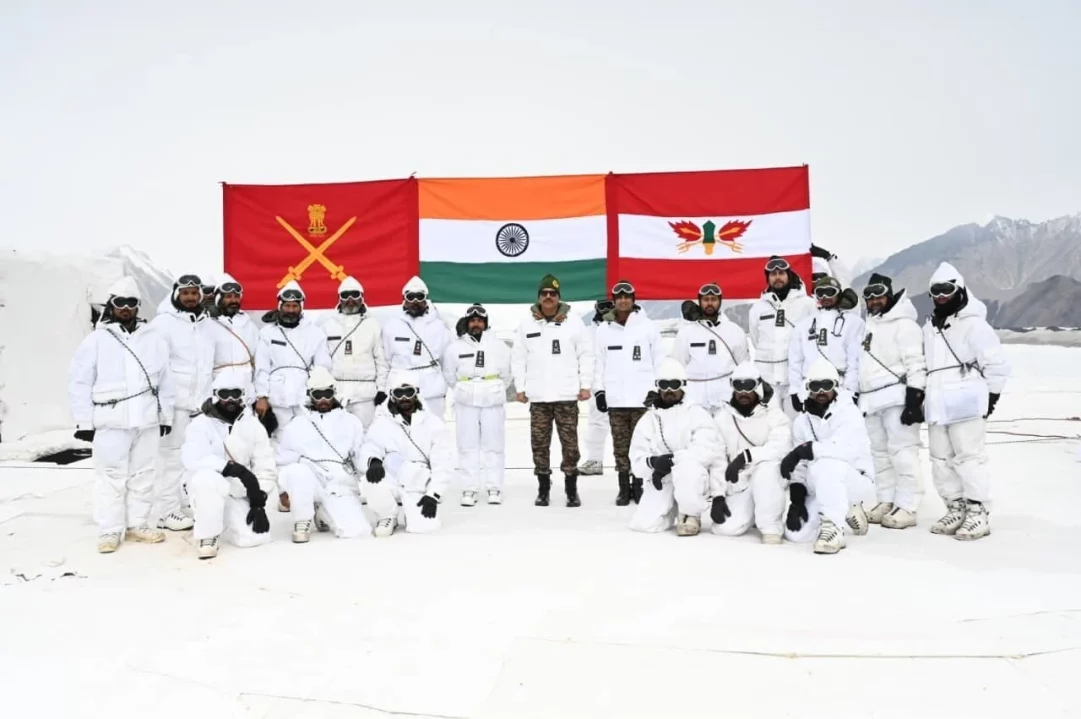
The interaction also reinforced the importance of innovation at the unit level. By encouraging EME personnel to develop practical and mission-oriented solutions, the Army seeks to improve equipment availability and technical effectiveness in operational areas.
The visit underscored the link between engineering preparedness and combat readiness. For troops deployed in high-altitude areas along the LAC, reliable equipment and responsive technical support are essential components of sustained operational capability.
Lt Gen Sahni’s engagement with the Fire and Fury Corps thus highlighted the continuing focus on technical readiness, professional excellence and the adoption of emerging technologies to strengthen engineering support for formations operating in some of the Army’s most challenging environments.