

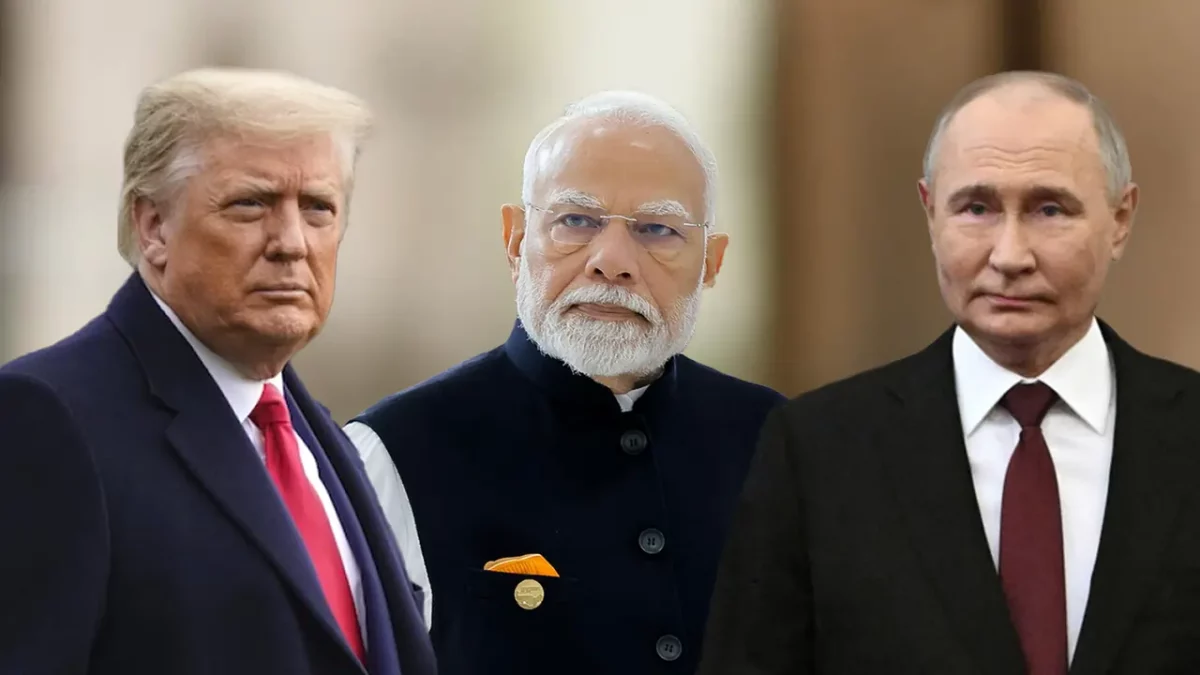
US President Donald Trump has cleared a sweeping sanctions proposal that could expose countries such as India, China, and Brazil to tariffs of up to 500% for continuing to purchase Russian oil—raising fresh concerns over global trade disruptions and India–US relations.





What Is the New Bill?
The proposed legislation, titled the Sanctioning Russia Act of 2025, authorises the US President to impose punitive duties on countries that “knowingly engage” in buying Russian-origin petroleum and uranium products. The bill aims to choke off revenue streams funding Russia’s war in Ukraine by targeting major buyers of discounted Russian crude.
Why India Is in Focus
Since the Ukraine conflict began, India has emerged as one of the largest importers of Russian oil, citing energy security and affordability. Under the bill, if enacted, India could face tariffs of at least 500% on all goods and services exported to the United States if Washington determines that Russia is refusing to negotiate peace or violates any future agreement.
How the Tariffs Would Be Triggered
According to the bill’s sponsors—US Senators Lindsey Graham and Richard Blumenthal—the sanctions would kick in if:
- Russia refuses to negotiate a peace settlement with Ukraine
- A peace agreement is violated
- Moscow launches new military offensives
- Russia attempts to destabilise Ukraine’s government
In such cases, the US President would be mandated to impose tariffs of no less than 500% on imports from countries continuing trade in Russian oil or uranium.
Trump’s Nod and Strategic Leverage
Confirming Trump’s approval, Senator Graham said the former president had “greenlit” the bipartisan bill after extensive discussions. He argued the legislation would give Trump “tremendous leverage” over countries like India that have increased Russian oil purchases amid Western sanctions.
Impact on India–US Relations
The move comes at a sensitive moment for New Delhi–Washington ties. India has consistently maintained that its oil purchases are driven by national interest, market dynamics, and consumer affordability—not geopolitics. However, a 500% tariff threat could:
- Severely disrupt India–US trade
- Raise costs for Indian exporters
- Force difficult energy and diplomatic recalibrations
What Happens Next?
The bill still needs to pass through the US legislative process before becoming law. If enacted, its implementation would depend on presidential determinations tied to developments in the Ukraine conflict.
For now, the proposal signals a tougher US stance on secondary sanctions—and places India at the centre of a growing global debate over energy security, strategic autonomy, and great-power pressure.