
Key Points
- There are multiple pathways exist for sports enthusiasts to join the Indian Army, primarily through sports quota relaxations in regular rallies or direct entry for outstanding athletes as Havildar or Naib Subedar, with evidence leaning toward prioritizing national/international achievements for better opportunities.
- The age limits range from 17½ to 25 years for most entries, though this varies by rank and may include relaxations; educational requirements start at 10th pass, but higher qualifications enhance eligibility for certain roles.
- Recognized sports like athletics, boxing, and team games, where recent medals (within the last two years) can provide bonus marks or direct recruitment, acknowledging the competitive nature of selection.
- The process often involves physical tests, skill trials, and medical exams, with debates around gender inclusion highlighting recent openings for women in JCO/NCO roles to promote equity in sports recruitment.
- Benefits include specialized training at facilities like the Army Sports Institute, but complexity arises from varying notification cycles, suggesting applicants monitor official sources amid potential policy updates.
Overview of Entry Routes
Joining the Indian Army as a sportsman typically leverages your athletic prowess to gain advantages in recruitment, such as bonus marks, physical relaxations, or direct entries. This is available for Other Ranks (OR), Junior Commissioned Officers (JCOs), and indirectly for officers through merit boosts. The primary focus is on outstanding performers in recognized sports, with opportunities under the Agnipath Scheme or traditional routes. Women can now apply for select JCO/NCO positions, reflecting evolving inclusivity. Always check the official Join Indian Army website (https://joinindianarmy.nic.in) for the latest notifications, as intakes like 05/2025 may have passed, but new ones (e.g., 2026) are expected.
Basic Eligibility Criteria
Eligibility emphasizes sports achievements alongside standard Army requirements. For general sports quota in rallies:
- Age: 17½–21 years for Agniveer entries; up to 25 for direct Havildar/Naib Subedar.
- Education: Minimum 10th pass (45% aggregate for some categories); higher for technical roles.
- Sports: Representation at national/international levels within the last two years, with medals preferred.
Physical standards include height (162–166 cm minimum), weight proportional to height, and chest expansion (77 cm +5 cm). Sportsmen get relaxations: up to 2 cm height, 3 cm chest, 5 kg weight.
For direct entries, stricter sports criteria apply, such as medals in Senior/Junior Nationals or Khelo India events.
Recruitment Process
The process starts with online registration at joinindianarmy.nic.in for rallies or offline applications for direct entries. Steps include:
- Document verification and sports certificate check.
- Physical Fitness Test (PFT): 1.6 km run, pull-ups, balance, ditch jump.
- Sports skill trials for direct entries.
- Medical exam and Common Entrance Exam (CEE).
- Merit list based on performance, with bonus marks for sports (e.g., 20 for international level).
Training follows at regimental centers or specialized sports nodes.
Joining the Indian Army as a sportsman offers a unique blend of national service, professional athletic development, and career stability, drawing on India’s rich tradition of military-sports synergy. This pathway not only rewards athletic excellence but also contributes to the Army’s Mission Olympics Wing, which has produced numerous international medalists. Below, we delve into the comprehensive details, from historical context to step-by-step guidance, supported by official policies and recent developments as of early 2026.
Historical and Policy Context
The Indian Army’s sports quota dates back decades, formalized to harness talent for national glory while bolstering military ranks. Under the Department of Military Affairs, recruitment under sports quota is capped at 2% of annual vacancies for ranks like Naib Subedar (limited to 50 per year) and Havildar. This policy, as outlined in parliamentary responses, aims to promote sports at grassroots levels, with bonus marks in rallies and direct entries for outstanding performers. Recent expansions include women’s inclusion as JCOs and NCOs since 2024, aligning with gender parity initiatives. Under the Agnipath Scheme (introduced in 2022), sports quota integrates with four-year service terms, offering pathways to permanent absorption for top performers.
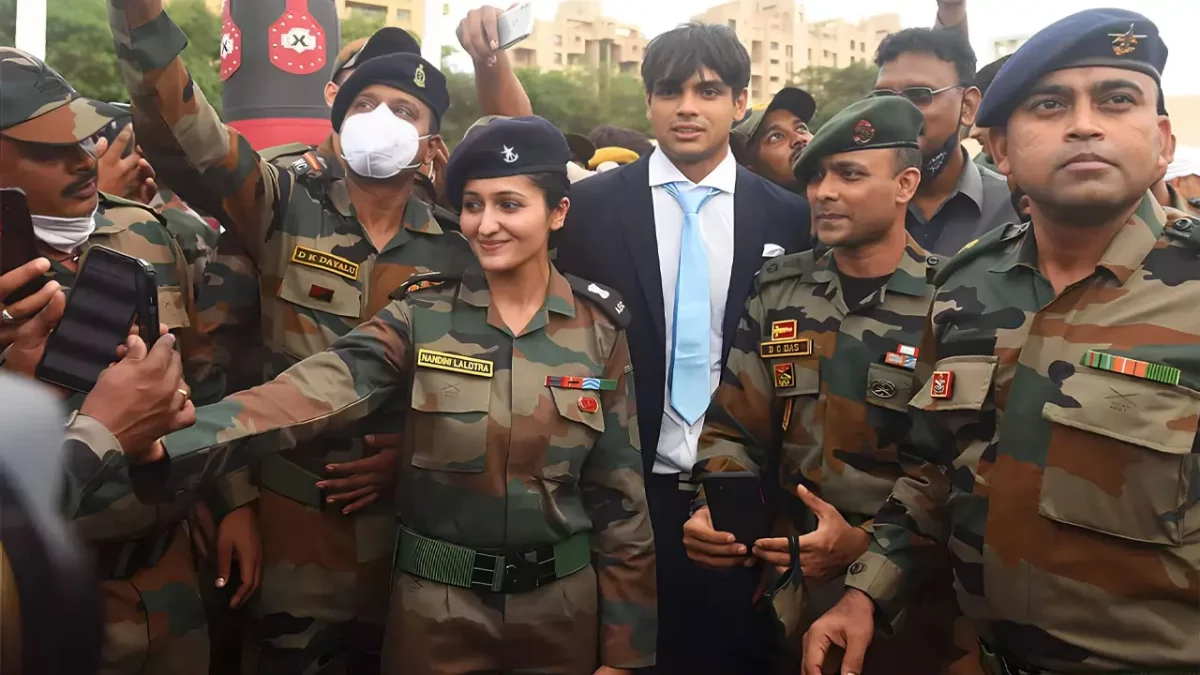
The Army collaborates with the Sports Authority of India (SAI) through programs like the Army Boys Sports Company (ABSC) and Army Sports Institute (ASI) in Pune, training over 5,000 athletes annually in disciplines tied to Olympic events. This ecosystem has yielded stars like Neeraj Chopra (javelin) and Subedar Vijay Kumar (shooting), underscoring the dual focus on defense and sports excellence.
Entry Routes for Sportsmen
There are three main avenues, each tailored to different age groups and achievement levels:
- Regular Recruitment Rallies with Sports Quota Benefits: Open to all eligible candidates, where sports achievements provide relaxations and bonus marks. This is ideal for district/state-level athletes.
- Applicability: For Agniveer General Duty (GD), Technical, Tradesman, Clerk/SKT roles.
- Process: Attend zonal rallies organized by Army Recruiting Offices (AROs). Register online at joinindianarmy.nic.in, then undergo screening.
- Advantages: Bonus marks (5–20 based on level: e.g., 20 for international representation, 15 for national medals). Relaxations in physical standards for those who represented at state/national levels within two years.
- Direct Entry as Havildar or Naib Subedar: For elite athletes with proven records. This bypasses standard rallies for immediate JCO/OR induction.
- Havildar: For junior/senior national medalists or international representatives.
- Naib Subedar: For world/Asian medalists or multiple international participants.
- Recent Intake (05/2025 Example): Applications closed in Dec 2025; new cycles expected in 2026.
- Army Boys Sports Company (ABSC) for Juniors: Targets boys aged 8–16, offering free education, boarding, and coaching. Graduates often join as soldiers with sports quota advantages.
- Selection: Through talent hunts or competitions; focuses on remote/rural talent.
- Disciplines: Archery, Athletics, Boxing, etc., with progression to ASI.
For officers, there is no dedicated sports quota, but achievements boost SSB interview scores for entries like NDA, CDS, or SSC Tech. Exceptional athletes may enter via Short Service Commission (SSC) in sports cadres, though this is rare and merit-based.
Eligibility Criteria in Detail
Eligibility combines physical, educational, and sports benchmarks. Women follow similar criteria for applicable roles.
- Age and Marital Status: 17½–21 for Agniveer; 17½–25 for direct Havildar/Naib Subedar. Unmarried only.
- Education: 10th pass minimum (45% aggregate for GD); 12th/ITi for technical trades.
- Physical and Medical Standards: As per southern/northern zone charts (e.g., height 166 cm, weight 50 kg for 17–20 age group). Must pass Class 1 medical.
- Sports Achievements: Valid for two years prior to application. Examples:
- International: Representation in Olympics/World Cups.
- National: Medals in Senior/Junior Championships, Khelo India Games.
- Team Events: Must be a playing member of finalist teams.
| Category | Age Range | Education | Sports Requirement | Physical Relaxation |
|---|---|---|---|---|
| Agniveer GD (Rally) | 17½–21 | 10th (45% agg.) | State/National rep. (last 2 yrs) | Height +2 cm, Chest +3 cm, Weight +5 kg |
| Direct Havildar | 17½–25 | 10th Pass | Jr/Sr National medal or Intl rep. | As per norms with bonus |
| Direct Naib Subedar | 17½–25 | 10th Pass | World/Asian medal or 2x Intl | Full medical fitness |
| ABSC Junior | 8–16 | Enrolled in school | Talent in recognized sports | N/A (training-focused) |
Recognized sports include over 30 disciplines (see table below for examples).
| Discipline | Specific Events/Positions (Men/Women) |
|---|---|
| Athletics | 100M, 200M, Hurdles, Jumps, Throws, Race Walk |
| Boxing | All Olympic Weight Categories |
| Football | Striker, Midfielder, Defender |
| Hockey | Forward, Midfielder, Drag Flicker |
| Volleyball | Setter, Blocker, Attacker |
| Shooting | 10M Air Rifle/Pistol, 50M Rifle 3P |
| Others | Archery (Compound/Recurve), Judo (66–100 Kg), Kabaddi (Raider/Cover) |
Step-by-Step Application and Selection Process
- Monitor Notifications: Check joinindianarmy.nic.in for rally schedules or direct entry ads (e.g., Intake 05/2025 was Nov–Dec 2025).
- Registration: Online for rallies; offline (post) for direct entries. Include Aadhaar, matric certificate, sports docs.
- Document Verification: At rally site or trial venue. Affidavit required; fake certificates lead to disqualification.
- Physical Fitness Test (PFT): 1.6 km run (under 5:45 min for Group I), 10 pull-ups, 9 ft ditch, zigzag balance.
- Sports Skill Trial: For direct entries, demonstrate proficiency (e.g., field tests for football).
- Medical Examination: Comprehensive check at military hospitals.
- Written Exam (CEE): Objective questions on GK, Math, Science (100 marks, 1 hour).
- Merit List and Enrollment: Based on aggregate scores; training at centers like ASI Pune.
Training and Career Progression
Post-selection, recruits undergo 9–12 months basic military training, followed by sports-specific coaching at nodes like ASI (Pune) or Mission Olympics centers. Benefits include:
- Pay: ₹30,000–₹40,000 starting (Agniveer); higher for JCOs.
- Perks: Free rations, accommodation, medical, sports kits, insurance.
- Progression: From soldier to JCO/officer via promotions; top athletes join Services teams for internationals.
- Post-Service: 25% Agniveers absorbed permanently; skills aid civil sports careers.
Challenges and Tips
Challenges include intense competition (thousands apply per intake) and the need for recent achievements. Tips: Maintain fitness, verify certificates from federations, apply early. For women, leverage new JCO openings in athletics/boxing. Avoid touts—selection is transparent.
This pathway not only serves the nation but elevates Indian sports globally, as seen in Army athletes’ Olympic contributions.