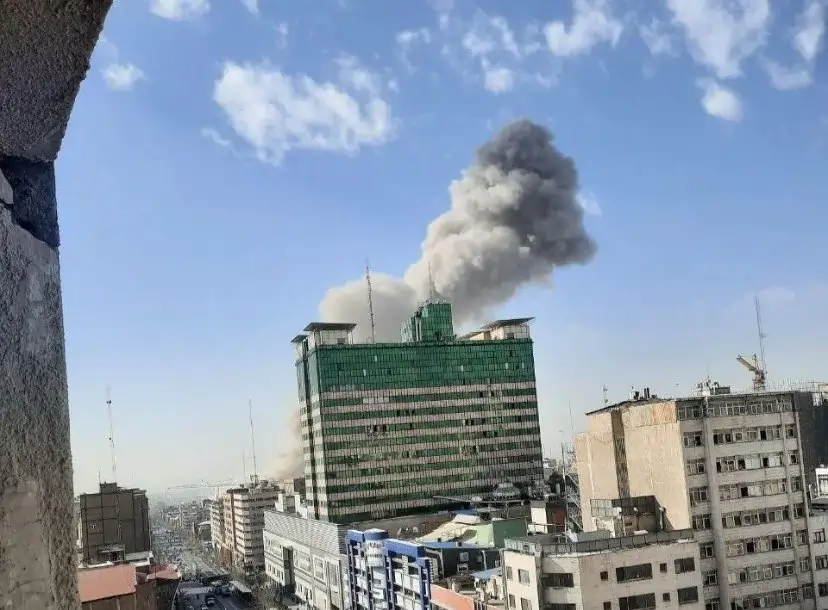
Tel Aviv, Israel – February 28, 2026 – In a major development that has heightened regional instability, Israel’s Defense Minister Israel Katz announced that the country has executed a preemptive attack on Iran to neutralize perceived threats to its national security. The strike, which occurred early Saturday morning, has led to reports of explosions in central Tehran, according to Iranian state media and independent sources.





Defense Minister Katz stated that the operation was undertaken “to remove threats to the State of Israel,” emphasizing its preventive nature. He further declared an immediate state of emergency across Israel, instructing civilians to remain vigilant and prepare for potential retaliatory actions. Sirens have sounded nationwide, with the Israel Defense Forces (IDF) Home Front Command advising residents to stay near protected shelters and avoid unnecessary travel, although no immediate entry into shelters has been mandated at this time.
Iranian outlets, including the semi-official Fars News Agency, reported at least three explosions in downtown Tehran, with thick smoke observed rising over key areas near government offices and commercial districts. Initial assessments suggest the blasts targeted strategic locations, though official confirmation from Iranian authorities on the extent of damage or casualties remains pending. Tehran has previously maintained that diplomatic solutions are preferable and has not issued prior threats of aggression toward Israel in recent statements.
This action follows a history of shadow conflicts between the two nations, including Israeli strikes on Iranian nuclear facilities in June 2025, which aimed to disrupt uranium enrichment programs, and Iran’s retaliatory missile launches. Israeli Prime Minister Benjamin Netanyahu had previously described such operations as essential to counter Iran’s nuclear ambitions, which Israel views as an existential threat. The current strike appears to build on these precedents, with Israeli officials warning of possible Iranian drone or missile responses.
International reactions have been swift but measured. The United States, a key ally of Israel, has not issued an official statement yet, though prior communications indicated concerns over Iran’s ballistic missile program. European officials have expressed alarm over the potential for broader conflict, echoing calls for restraint seen in earlier escalations. Oil markets are expected to react volatilely, given Iran’s role in global energy supplies, with analysts monitoring for disruptions in the Strait of Hormuz.
As the situation unfolds, both nations remain on high alert. Israeli authorities have reiterated that the public should follow Home Front Command guidelines, while Iranian media reports emergency services responding in Tehran. Further updates are anticipated as assessments of the strike’s impact emerge.