The Canteen Stores Department (CSD) in India serves as a vital retail network for the armed forces, providing subsidized goods to active and retired military personnel and their families. In October 2020, the Indian government introduced a policy prohibiting the sale of directly imported items, including foreign liquor, at these outlets. This decision has significant implications for supply chains, domestic manufacturing, and consumer access within the defense community. The following article examines the background, rationale, implementation, and consequences of this ban in detail.





Background on the Canteen Stores Department
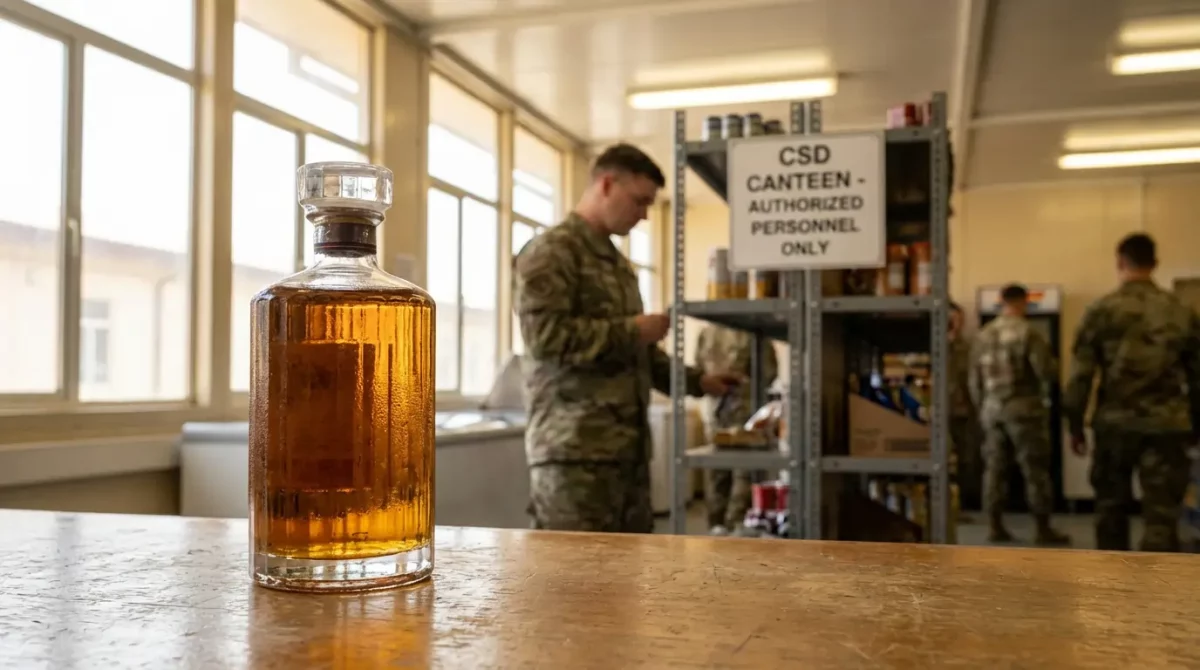
The CSD operates approximately 4,000 outlets across India, functioning as a centralized procurement and distribution system under the Ministry of Defence. These canteens offer a wide range of products, including groceries, electronics, footwear, and liquor, at discounted prices—often significantly below market rates due to exemptions from certain taxes and duties. The network generates annual sales exceeding $2 billion, catering exclusively to authorized personnel such as soldiers, ex-servicemen, and their dependents. Prior to the ban, imported goods constituted about 6-7% of total sales value, with foreign liquor being a prominent category. Items like Scotch whisky from brands such as Johnnie Walker, Chivas Regal, and Glenfiddich were popular, as they were available at concessional rates, making them accessible to a segment of consumers who might otherwise find them unaffordable in the open market.
The CSD’s procurement model historically included both domestic and imported products, with imports often sourced from countries like the United Kingdom for liquor and China for electronics and consumer durables. This arrangement not only provided variety but also supported high-margin sales for international suppliers, including major spirits companies like Diageo and Pernod Ricard.
The Implementation of the Ban
The policy shift began to materialize in mid-2020, amid broader economic and geopolitical developments. By June 2020, orders for imported liquor from key suppliers such as Pernod Ricard and Diageo had reportedly ceased, signaling an initial move toward restricting foreign products. This was formalized on October 19, 2020, through an internal order from the Defence Ministry’s Quartermaster General’s Branch, directing CSD outlets to halt the procurement of “direct imported” items. “Direct imported” refers to finished goods shipped from abroad without local value addition, such as bottled-at-origin foreign spirits.
The ban explicitly targeted categories like liquor, electronics, and other consumer items, with foreign liquor being one of the most affected segments. However, products with foreign ingredients but bottled or assembled in India—such as certain blended whiskies—remain permissible. The order was communicated to the armed forces, including the Army, Navy, and Air Force, following discussions in May and July 2020. By late 2020, high-end foreign brands were no longer available in most unit-run canteens, marking a complete transition in procurement practices.
Rationale Behind the Ban
The primary driver for the ban was Prime Minister Narendra Modi’s Atmanirbhar Bharat Abhiyan, launched to foster self-reliance and boost domestic manufacturing amid the COVID-19 pandemic. This initiative emphasized “Vocal for Local,” encouraging the promotion of indigenous products to reduce import dependency and stimulate economic growth. The policy aligned with efforts to curb imports from adversarial nations, particularly China, following border tensions in Ladakh that escalated in June 2020. Although the ban applies universally to imports, it was framed as a measure to replace foreign goods with Indian alternatives, thereby supporting local industries.
Defence sources indicated that the move was intended to prioritize swadeshi (locally made) items across all categories, not limited to liquor. For instance, imported electronics like laptops and rice cookers, many from China, were also phased out. Proponents argued that this would create opportunities for Indian manufacturers, potentially benefiting companies like Radico Khaitan in the liquor sector. The government viewed the CSD’s substantial purchasing power as a lever to drive national self-sufficiency.
Impact on Stakeholders
The ban has reshaped the landscape for various parties involved. Foreign liquor companies, such as Diageo and Pernod Ricard, faced immediate disruptions, with orders drying up and potential revenue losses from a lucrative market segment. These firms, which supplied premium brands at high margins, expressed concerns that the policy signaled protectionism without corresponding domestic alternatives in quality or variety.
For Indian manufacturers, the decision opened shelf space in CSD outlets, prompting a consortium of domestic spirits producers to advocate for their products as replacements. This has intensified competition, with local brands vying to fill the void left by imports. Consumers within the defense community, however, may experience reduced choices, particularly for premium foreign liquors that were previously affordable through subsidies. Some have raised questions about equity, noting that while imported aircraft like Rafale jets are procured for national security, everyday imports for personnel are restricted.
Broader economic effects include a potential shift toward black-market sales or higher open-market purchases, as liquor at CSD is sold at nearly half the market price due to excise duty waivers. Critics, including industry executives, have labeled the ban as overly protectionist, potentially deterring foreign investment.
Criticisms and Ongoing Developments
While the policy has been praised for aligning with national self-reliance goals, it has drawn criticism for its selective application. Opponents argue that banning imports in canteens burdens defense personnel disproportionately, especially when similar restrictions are not imposed nationwide. There are also concerns that it may not substantially impact overall import figures, given the relatively small share of CSD sales in national totals. As of 2026, the ban remains in effect, with no indications of reversal, though periodic reviews of procurement criteria continue.
In conclusion, the ban on foreign liquor in CSD canteens represents a strategic effort to advance India’s self-reliance agenda, influenced by economic nationalism and geopolitical considerations. While it promotes domestic industries and reduces import reliance, it also highlights tensions between global trade obligations and national priorities. For the defense community, this shift underscores the broader push toward indigenization, even in everyday procurement.