
New Delhi, March 27, 2026 – In a landmark decision aimed at modernising India’s defence infrastructure and enhancing national security, the Defence Acquisition Council (DAC), chaired by Defence Minister Rajnath Singh, granted Acceptance of Necessity (AoN) on Friday for capital acquisition proposals estimated at Rs 2.38 lakh crore (approximately USD 25 billion). The approvals span critical platforms and systems for the Indian Army, Indian Air Force, and Indian Coast Guard, underscoring the government’s commitment to bolstering operational readiness amid evolving regional security challenges.




Defence Minister Rajnath Singh, who presided over the meeting, stated: “Chaired the Defence Acquisition Council (DAC) meeting today in which Acceptance of Necessity (AoN) was accorded to various proposals worth an estimated cost of about Rs 2.38 lakh crore. The decisions taken in the DAC will help in further strengthening India’s defence preparedness.” He further noted that approvals and contracts in the current financial year (FY 2025–26) have reached record levels, with AoN granted for 55 proposals worth Rs 6.73 lakh crore and capital procurement contracts signed for 503 proposals valued at Rs 2.28 lakh crore.
The DAC approvals place particular emphasis on the Indian Air Force, which stands to benefit from several high-value acquisitions designed to address longstanding capability gaps in airlift, air defence, and unmanned combat operations.
For the Indian Air Force, the council cleared the procurement of Medium Transport Aircraft to replace the ageing Antonov An-32 and Ilyushin Il-76 fleets. These new aircraft will fulfil strategic and tactical airlift requirements, enabling faster troop deployments, cargo transport, and support for humanitarian and disaster relief operations across diverse terrains. The platform is expected to bridge the gap between heavier strategic lifters and lighter tactical aircraft, significantly improving the IAF’s logistics capacity.
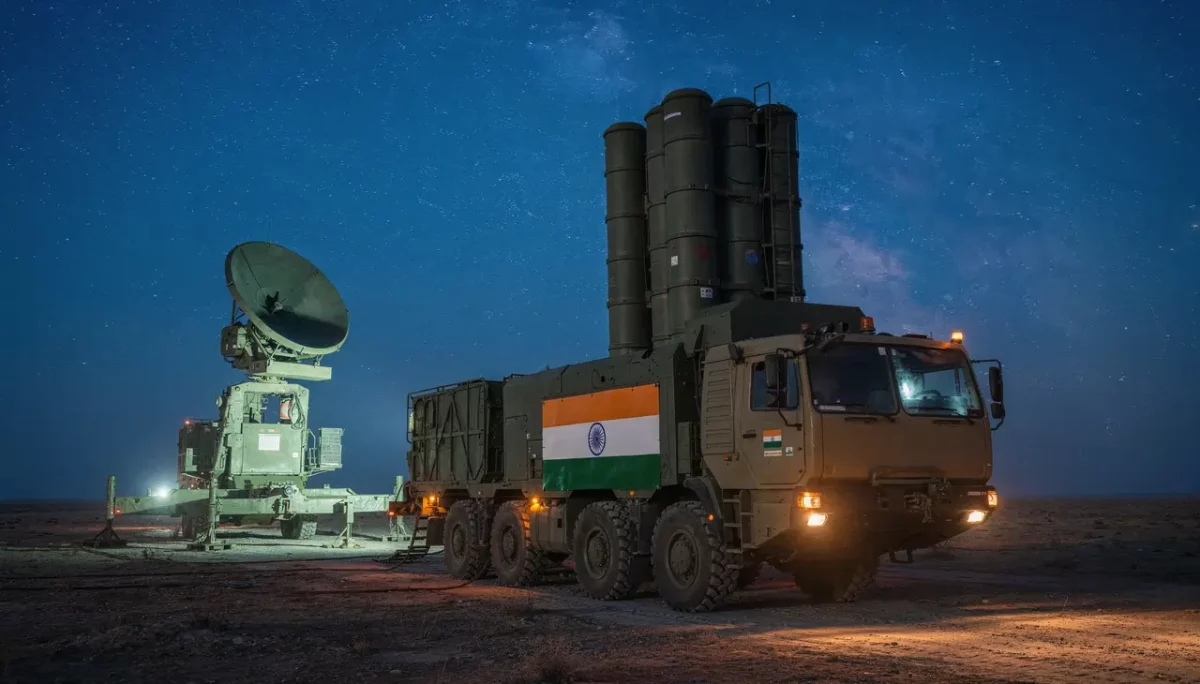
In addition, the DAC approved the acquisition of additional Russian S-400 long-range surface-to-air missile systems. This move will further fortify India’s layered air defence architecture against advanced aerial threats, including fighter aircraft, bombers, ballistic missiles, and unmanned aerial vehicles. The S-400 systems, already partially operational with the IAF, have demonstrated their effectiveness in recent operations, and the new approvals will expand coverage to protect critical national assets.
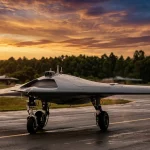
The council also granted AoN for Remotely Piloted Strike Aircraft, which will enhance offensive capabilities through coordinated air operations and stealth intelligence, surveillance, and reconnaissance (ISR) missions. These unmanned combat aerial vehicles (UCAVs) represent a key step in integrating indigenous and advanced unmanned technologies into the IAF’s arsenal, providing precision strike options with reduced risk to manned aircraft.
Supporting the IAF’s existing fleet, the DAC approved the overhaul of Su-30 aero-engine aggregates to extend the service life and ensure sustained operational readiness of the Sukhoi Su-30MKI multi-role fighters.
The Indian Army received AoN for a suite of proposals to augment ground-based firepower and communications. These include the Air Defence Tracked System for real-time air defence control and reporting, Armoured Piercing Fin-Stabilised Discarding Sabot (APFSDS) tank ammunition to boost anti-tank lethality, High Capacity Radio Relay systems for secure and reliable battlefield communications, the Dhanush Gun System to enhance long-range artillery precision and strike capability, and the Runway Independent Aerial Surveillance System for improved intelligence gathering in varied terrains.
For the Indian Coast Guard, the DAC cleared the procurement of Heavy Duty Air Cushion Vehicles (hovercraft). These platforms will support high-speed coastal patrolling, search and rescue missions, reconnaissance, and logistics operations, thereby strengthening maritime security and rapid response capabilities along India’s extensive coastline.
Defence analysts view these approvals as a comprehensive push towards self-reliance under the Atmanirbhar Bharat initiative, while also incorporating strategic partnerships, including with Russia for the S-400 systems. The decisions are expected to generate substantial opportunities for domestic industry participation through technology transfer and local manufacturing, fostering innovation and job creation in the defence sector.
This major procurement package reflects India’s proactive approach to addressing capability voids in air mobility, integrated air defence, unmanned warfare, and maritime domain awareness. With contracts now set to proceed to the next stages of tendering, negotiations, and final approvals by the Cabinet Committee on Security, these acquisitions are poised to significantly elevate the operational effectiveness of India’s armed forces in the years ahead.