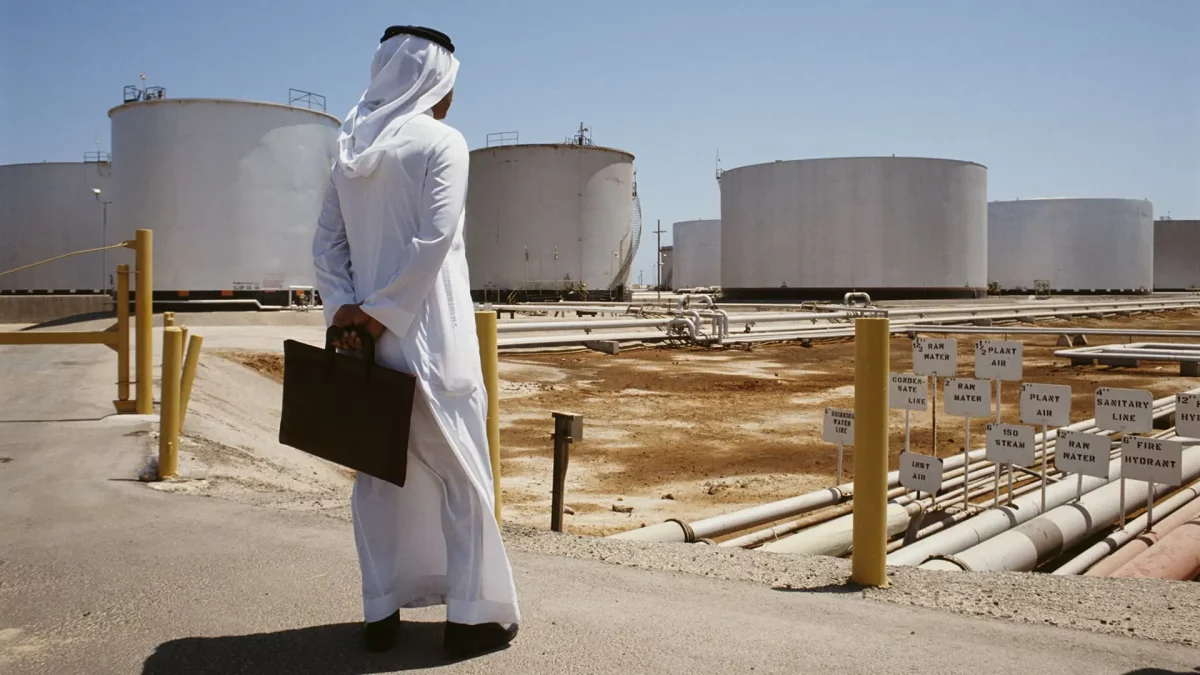
Saudi Aramco, the world’s leading oil exporter, has implemented a reduction in crude oil deliveries to its Asian term customers for April loadings. This marks the second consecutive month of supply constraints to the region, driven primarily by ongoing geopolitical tensions in the Middle East, specifically the U.S.-Israeli conflict with Iran that has severely disrupted maritime trade through the Strait of Hormuz.





According to reports from reliable industry sources, Saudi Aramco has informed Asian buyers that it will supply only Arab Light crude exported from the Red Sea port of Yanbu for April. This adjustment limits the availability of other grades typically shipped from the main Persian Gulf terminal at Ras Tanura, resulting in tighter overall crude supplies to Asian refineries. The restriction is expected to constrain refined products output from these facilities, as refiners face reduced access to a broader mix of Saudi crude grades.
The decision follows earlier contingency measures by Aramco, including requests to Asian customers in early March for dual loading nomination plans—one based on Ras Tanura (assuming the Strait of Hormuz remains navigable) and a backup plan utilizing Yanbu on the Red Sea. With shipping through the Strait of Hormuz largely halted due to the conflict, Aramco has shifted focus to the alternative Red Sea export route for its flagship Arab Light grade, thereby prioritizing logistical feasibility over full contractual volumes from Gulf terminals.
This supply curtailment occurs against a backdrop of heightened regional instability, which has forced major Middle Eastern producers to adapt export strategies. Asian refiners, who rely heavily on Saudi crude as a key feedstock, are anticipated to experience challenges in maintaining optimal throughput levels, potentially impacting regional product markets.
Saudi Aramco has not issued an official public statement on the matter, and details regarding the exact volume reductions or affected customers remain limited to industry sources. The situation underscores the vulnerability of global oil trade routes to geopolitical events and may contribute to short-term tightness in Asian crude markets, depending on the duration of disruptions in the Strait of Hormuz.
Market participants continue to monitor developments closely, as prolonged constraints could influence crude pricing dynamics and prompt refiners to seek alternative supply sources.