
A Major General and around 20 other officers are reportedly facing disciplinary proceedings, including attachment for court martial, in connection with a long-running Army recruitment scam linked to the Service Selection Centre at Kapurthala.

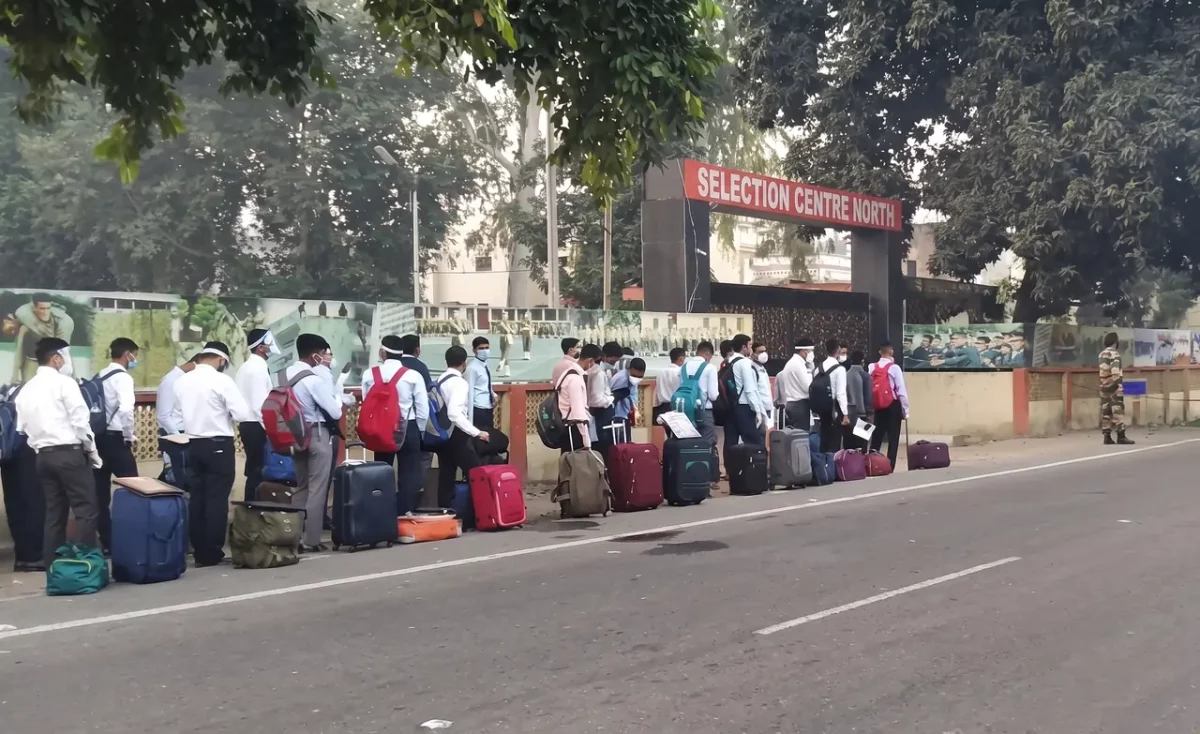
According to a report by The Tribune, the senior officer had headed the Service Selection Centre at Kapurthala, where alleged irregularities in the selection of officer candidates had come under investigation. The Army is reported to have invoked Section 123 of the Army Act, 1950, on the officer’s last day of service, enabling disciplinary proceedings to continue even after retirement.
The case is linked to allegations that candidates were cleared through corrupt means after being temporarily rejected on medical grounds. The alleged scam involved fraudulent clearance through the Review Medical Board, with bribes reportedly ranging from ₹50,000 to ₹10 lakh per candidate. The report also stated that one jawan allegedly maintained lists of medically rejected candidates who could be approached for such illegal facilitation.
The matter dates back to a 2021 CBI investigation into alleged bribery and corruption in Army recruitment through Service Selection Boards. At that time, the CBI had registered a case against Army personnel and civilians in connection with alleged irregularities at various SSB centres, including Kapurthala. Searches were conducted at 30 locations across several cities, and the agency had reportedly recovered incriminating material during the investigation.
The Tribune report said that the Major General was attached to Headquarters Delhi Area earlier in May 2026, while other serving and retired officers connected with the case were attached to different formations for further disciplinary proceedings. Personnel below officer rank are also reported to be facing action in the matter.
Investigators had earlier traced some alleged payments through digital transactions, including UPI transfers made to family members of accused personnel. However, cash payments allegedly made in the case were harder to establish through banking channels.
The development marks a major step in the Army’s internal disciplinary process in a case that has remained under investigation for several years. The reported use of Section 123 of the Army Act is significant because it allows action against a person who has ceased to be subject to the Act, provided the alleged offence was committed while the individual was still in service.
The names of the Major General and most of the other officers facing proceedings have not been officially disclosed in the latest public reports. The matter is expected to move forward through the military justice system, where charges, evidence and responsibility will be examined as per established procedures.
The case has once again brought attention to the importance of transparency and integrity in the officer selection process. Service Selection Boards play a crucial role in identifying future leaders of the Indian Armed Forces, and any allegation of corruption in such a system is treated as a serious matter affecting institutional trust and military discipline.