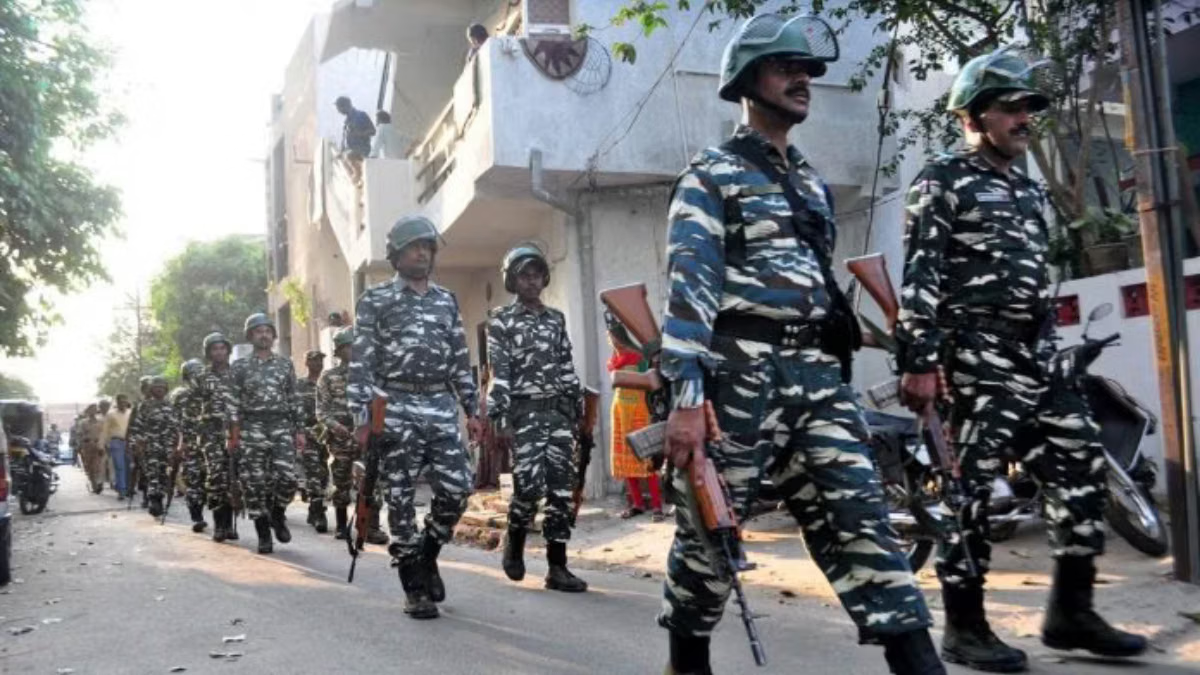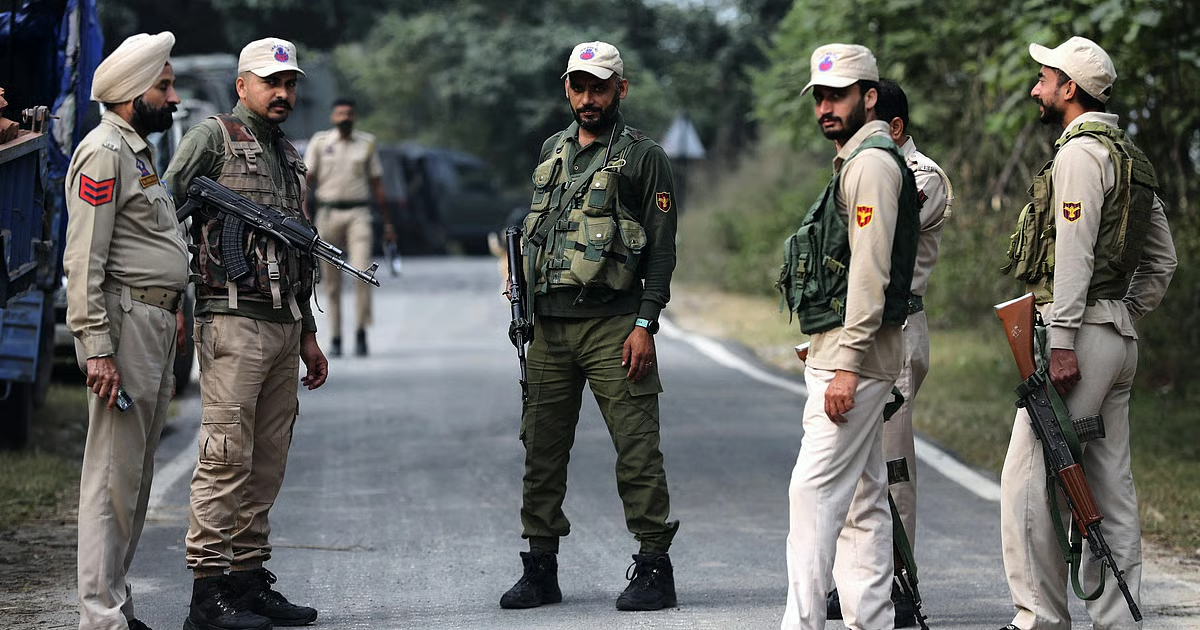
The proposed Central Armed Police Forces (General Administration) Bill, 2026 is being viewed by some experts as a major step towards strengthening India’s internal security architecture, beyond just addressing service conditions and promotions.





Strengthening Coordination Across Forces
Supporters of the Bill argue that retaining IPS officers in senior leadership roles ensures seamless coordination between CAPFs, state police and intelligence agencies.
This integrated structure enables:
- Faster intelligence sharing
- Unified command during operations
- Better coordination in counter-insurgency and anti-terror missions
Preserving the “Steel Frame” Concept
The Bill aligns with the vision of Sardar Vallabhbhai Patel, who emphasised the importance of All India Services like IPS as the “steel frame” ensuring national unity and administrative cohesion.
Proponents believe weakening IPS presence in CAPFs could fragment operational coordination across states and central forces.
Codification of Service Rules
A key strength of the Bill is the formal codification of service conditions, which aims to:
- Introduce transparent promotion systems
- Ensure fixed tenures and clear policies
- Establish grievance redressal mechanisms
This reduces uncertainty and improves morale among CAPF personnel.
Addressing Career Stagnation
The Bill proposes creation of additional senior posts (DIG, IG, ADG levels) and implementation of structured gradation systems to tackle long-standing issues of promotion delays and career stagnation.
Enhancing Operational Effectiveness
By maintaining experienced IPS leadership while improving cadre welfare, the Bill seeks to:
- Retain institutional memory and field experience
- Strengthen joint operations against Naxalism, insurgency and terrorism
- Improve decision-making speed and accountability
Debate: Welfare vs Structural Reform
While critics argue it may limit career growth of CAPF cadre officers, supporters view it as a balanced approach—addressing welfare concerns without disrupting the existing security framework.
The Bigger Picture
The Bill is ultimately seen as an effort to:
- Modernise governance of CAPFs
- Strengthen internal security coordination
- Ensure stability in command structures
If implemented effectively, it could reinforce India’s ability to respond to complex internal security challenges while improving the working conditions of CAPF personnel.
The CAPF Bill 2026 is not just an administrative reform—it is a strategic move aimed at preserving coordination, improving welfare and strengthening India’s internal security framework.