
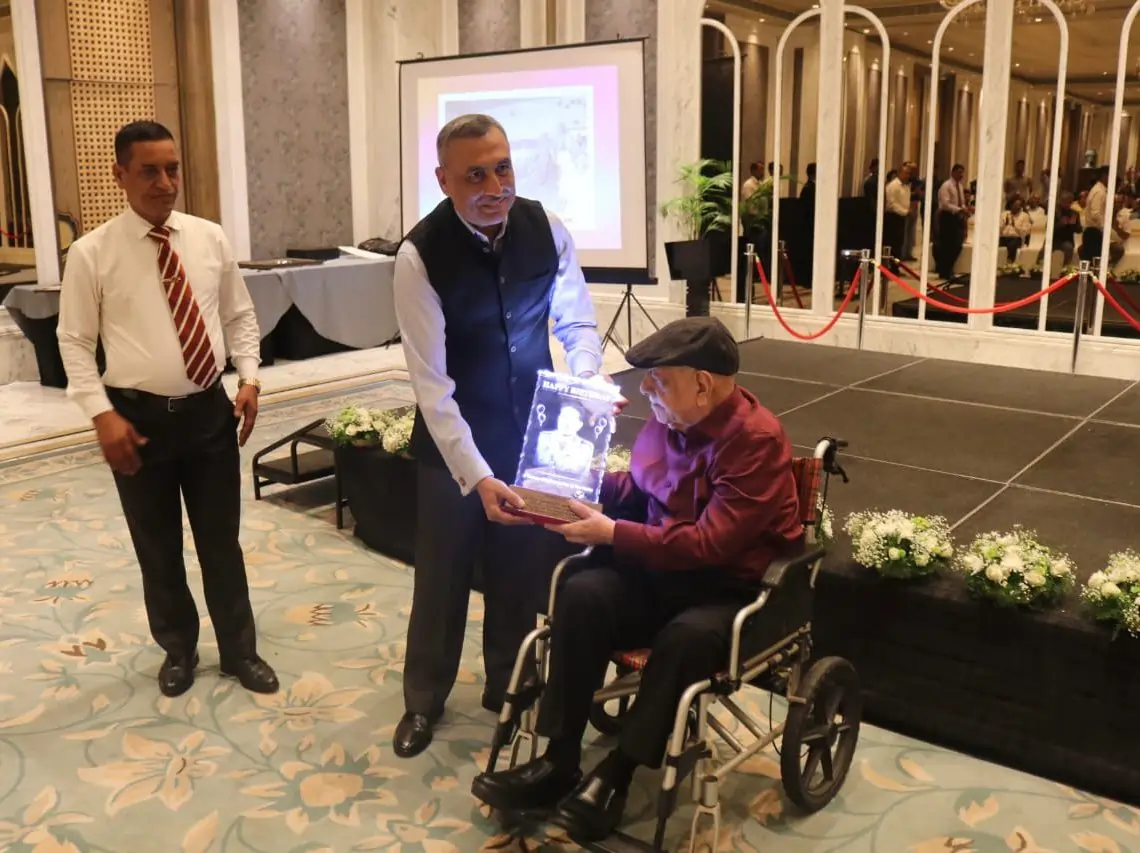
The Indian Army has paid a heartfelt tribute to Colonel Kanwar Sain Bakshi, AVSM (Retired), one of the most distinguished veterans of the MAHAR Regiment, on the occasion of his 100th birthday. Celebrating a century of an extraordinary life dedicated to military service, leadership and nation-building, the Army described Col Bakshi as an iconic son of the regiment and a shining example of devotion to duty, loyalty to his troops and unwavering service to India.
Col Bakshi’s military career is closely associated with some of the most consequential chapters in the post-Independence history of the Indian Army. From commanding troops during the 1965 India-Pakistan War to training generations of soldiers and managing thousands of prisoners following the 1971 War, his service reflected both battlefield leadership and exceptional administrative ability.
Commanded 2 MAHAR During the Battle of Asal Uttar
One of the defining moments of Col Bakshi’s career came during the 1965 India-Pakistan War, when he served as the Commanding Officer of 2 MAHAR.
Under his leadership, the battalion participated in the historic Battle of Asal Uttar, fought in the Punjab sector. The battle became one of the most celebrated defensive operations of the war, with Indian forces halting a major Pakistani armoured offensive.
Col Bakshi led 2 MAHAR through intense combat conditions as the battalion contributed to the successful defence of the sector. The courage, discipline and determination displayed by its officers and soldiers earned the battalion the prestigious Battle Honour “Asal Uttar” and the Theatre Honour “Punjab.”
These honours became an enduring part of the battalion’s history and reflected the collective bravery of its troops under Col Bakshi’s command.
His leadership during the battle established him as a respected combat commander within the Indian Army and strengthened the reputation of the MAHAR Regiment as a dependable and battle-hardened infantry formation.
Record Tenure as Commandant of MAHAR Regimental Centre
Following his operational assignments, Col Bakshi went on to serve as the Commandant of the MAHAR Regimental Centre for a record period of approximately seven-and-a-half years.
His exceptionally long tenure at the centre allowed him to play a decisive role in strengthening the institution and shaping generations of officers, Junior Commissioned Officers and soldiers.
As Commandant, he was responsible for overseeing the training, administration, discipline and professional development of recruits joining the regiment. His focus on high standards, regimental pride and military values left a lasting influence on the centre and its personnel.
Veterans of the regiment remember him not merely as a senior officer, but also as a mentor who helped reinforce the traditions and institutional foundations of the MAHAR Regiment.
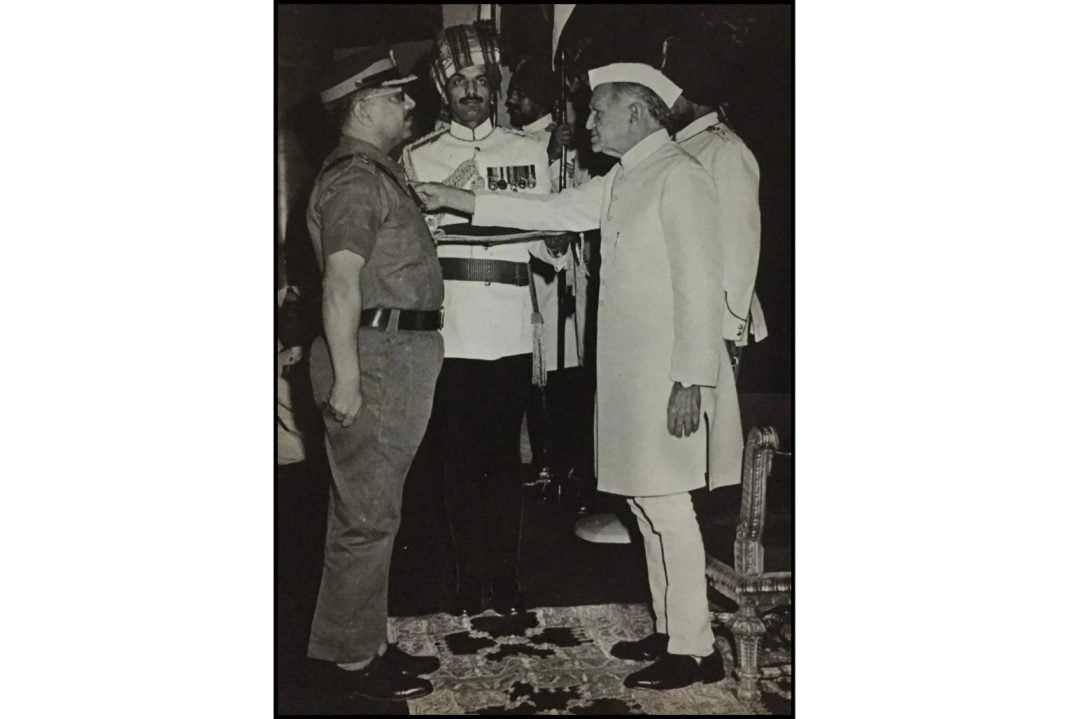
Oversaw Historic Presentation of Colours in 1970
During his tenure as Commandant, Col Bakshi also supervised preparations for the historic Presentation of Colours to the MAHAR Regiment in 1970.
The presentation of colours is among the most important ceremonial occasions in the life of a regiment. The colours represent the unit’s honour, sacrifices, battle honours and collective identity.
Col Bakshi’s role in organising and overseeing the landmark ceremony reflected the trust placed in his leadership and administrative capabilities. The occasion became a significant milestone in the history of the MAHAR Regiment and further strengthened its identity and traditions.
Established Massive Prisoner-of-War Camp After 1971 War
Col Bakshi was entrusted with another major responsibility following India’s decisive victory in the 1971 War.
He established and supervised one of the largest prisoner-of-war camps at Dhana in Madhya Pradesh. The facility reportedly housed more than 15,000 prisoners, making its management an enormous military, administrative and logistical undertaking.
Operating such a large camp required extensive arrangements for security, accommodation, food, sanitation, medical support, documentation and adherence to the laws and conventions governing the treatment of prisoners of war.
Col Bakshi’s successful supervision of the camp demonstrated his ability to handle responsibilities extending far beyond battlefield command. The assignment demanded discipline, organisational skill, humanitarian sensitivity and close coordination among multiple military and civil agencies.
His work at Dhana remains an important but less widely known chapter of India’s military history following the 1971 conflict.
Colonel of the MAHAR Regiment Conveys Army’s Gratitude
Marking Col Bakshi’s centenary, the Colonel of the MAHAR Regiment conveyed the gratitude and best wishes of the Indian Army and the entire MAHAR fraternity.
The veteran officer was described as a symbol of devotion to duty, loyalty to the regiment and selfless service to the nation.
The tribute acknowledged his contributions as a combat leader, institution builder, trainer and mentor whose influence extended across several generations of soldiers.
For the serving personnel and veterans of the MAHAR Regiment, Col Bakshi’s life represents the highest traditions of military service—courage in battle, responsibility in command and dedication to the welfare and professional development of troops.
A Soldier, Leader, Mentor and Legend
As Col Kanwar Sain Bakshi completes a century of life, his journey stands as a remarkable account of service spanning some of the most important periods in the history of independent India.
His leadership of 2 MAHAR during the Battle of Asal Uttar, his record tenure as Commandant of the MAHAR Regimental Centre, his role in the Presentation of Colours and his supervision of a vast prisoner-of-war camp collectively reflect the range and depth of his military career.
More than the positions he held, Col Bakshi’s legacy lives through the officers and soldiers he commanded, trained and inspired.
On his 100th birthday, the Indian Army saluted him as a soldier, leader, mentor and legend whose life remains an enduring source of pride for the MAHAR Regiment and the nation.