
The Defence Acquisition Council (DAC), chaired by Defence Minister Rajnath Singh, has accorded Acceptance of Necessity (AoN) for a series of capital acquisition proposals worth approximately ₹52,000 crore, significantly enhancing the combat capabilities of the Indian Army, Navy and Air Force.





For the Indian Army, the DAC approved the procurement of the Akash Tarang Anti-Unmanned Aerial Vehicle (UAV) Electronic Warfare System, Man Portable Anti-Tank Guided Missile (MPATGM) Systems, Medium Range Surface-to-Air Missile (MRSAM) Weapon System, Very Short Range Air Defence System (V-SHORADS), Active Protection System for Tanks, and Jet-Based Kamikaze Drone System.
The Akash Tarang system will strengthen anti-drone protection for Army formations, while the MPATGM will enhance infantry capabilities against mechanised threats. The MRSAM will provide medium-range air defence against a wide spectrum of aerial threats, and the V-SHORADS will improve resilience against countermeasures through multi-spectral sensing. The Active Protection System is expected to significantly improve the survivability of tanks, while the jet-powered kamikaze drones will provide enhanced electronic warfare capabilities with greater lethality and operational flexibility.
For the Indian Navy, the Council approved the procurement of the Multi Influence Ground Mine (MIGM), Naval Shipborne Unmanned Aerial System (NSUAS) and the establishment of a Land Based Testing Facility (LBTF) for electric propulsion systems. These acquisitions will strengthen maritime denial capabilities, improve surveillance through advanced unmanned systems and support the testing of next-generation naval propulsion technologies.
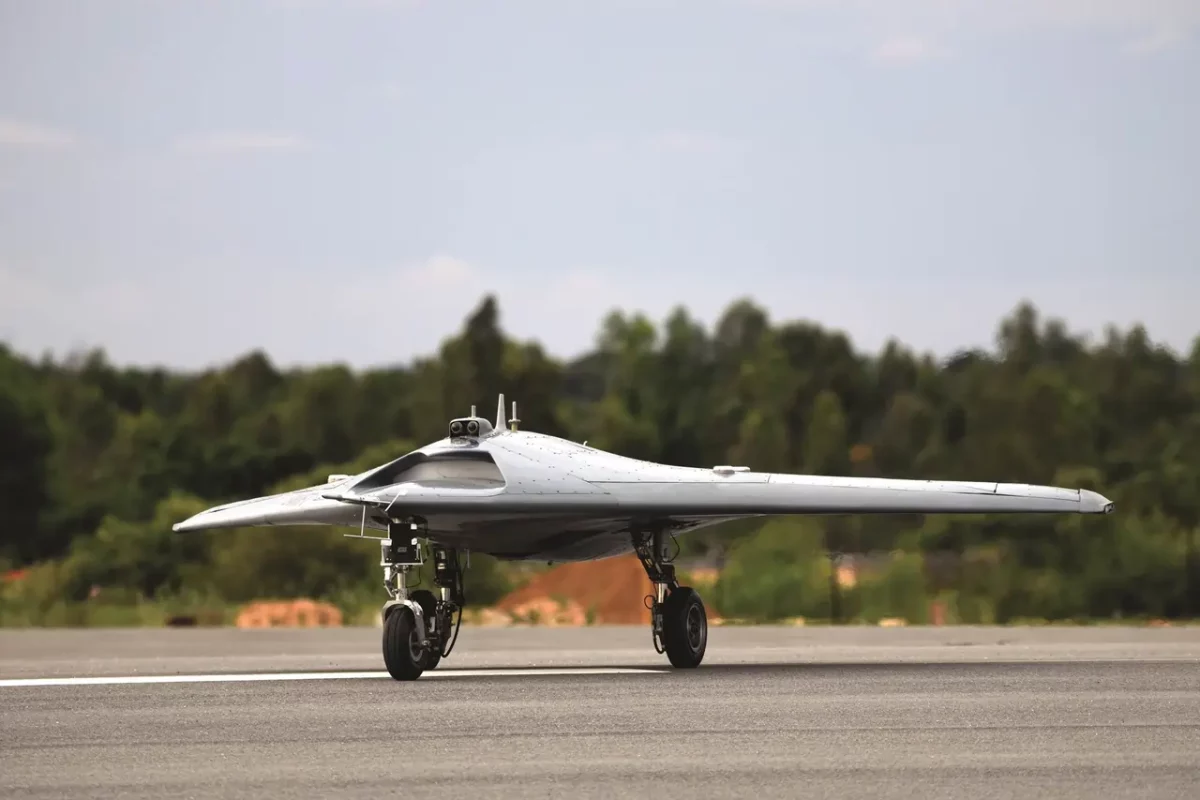
For the Indian Air Force, the DAC approved the procurement of Fixed-Wing High Altitude Pseudo Satellites (FW-HAPS) along with other proposals. The FW-HAPS platforms will provide persistent intelligence, surveillance and reconnaissance (ISR), telecommunications support and remote sensing capabilities, significantly enhancing the IAF’s long-endurance operational capabilities.
The approvals reaffirm the Government’s continued focus on strengthening India’s defence preparedness through the induction of advanced, largely indigenous technologies aimed at enhancing operational readiness across all three services.