

The Indian Naval Academy (INA) recently conducted an Inter-Squadron Public Speaking Competition aimed at strengthening communication skills, confidence and leadership qualities among young naval cadets. The event provided cadets with an opportunity to articulate their ideas before an audience while developing the ability to communicate with clarity, conviction and composure.



Public speaking forms an important part of leadership development, particularly for future officers of the Indian Navy who are expected to communicate effectively, motivate teams and make decisions in demanding operational environments. Through the competition, cadets were encouraged to organise their thoughts, present arguments convincingly and express themselves confidently on stage.
Participants representing different squadrons of the academy competed against each other, showcasing not only their knowledge and preparation but also their command over language, presentation skills and ability to connect with the audience. The competition tested the cadets on both the quality of their content and the effectiveness with which their ideas were delivered.
Achiever Squadron emerged as the winner of the Inter-Squadron Public Speaking Competition after delivering a strong overall performance. The squadron distinguished itself through the quality of its content as well as the confidence and power of expression demonstrated by its speakers.
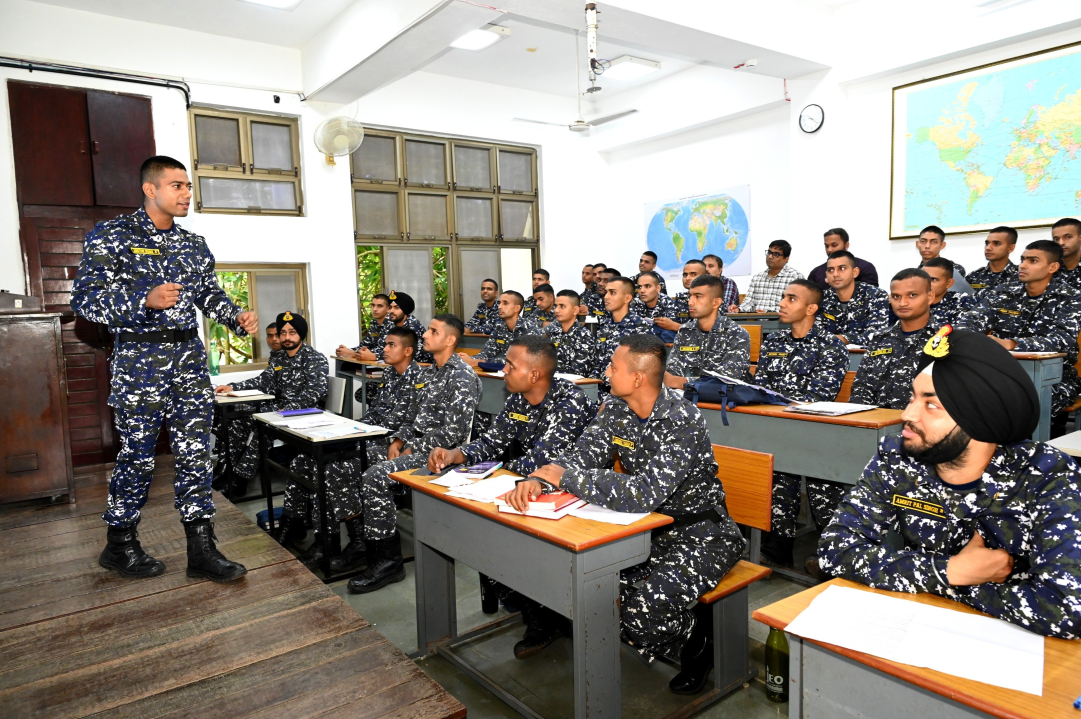
The achievement reflected the collective preparation and competitive spirit of the cadets representing Achiever Squadron. Their performance highlighted the importance of combining sound ideas with effective communication, a quality that remains essential for officers entrusted with leading sailors and handling responsibilities in challenging situations.
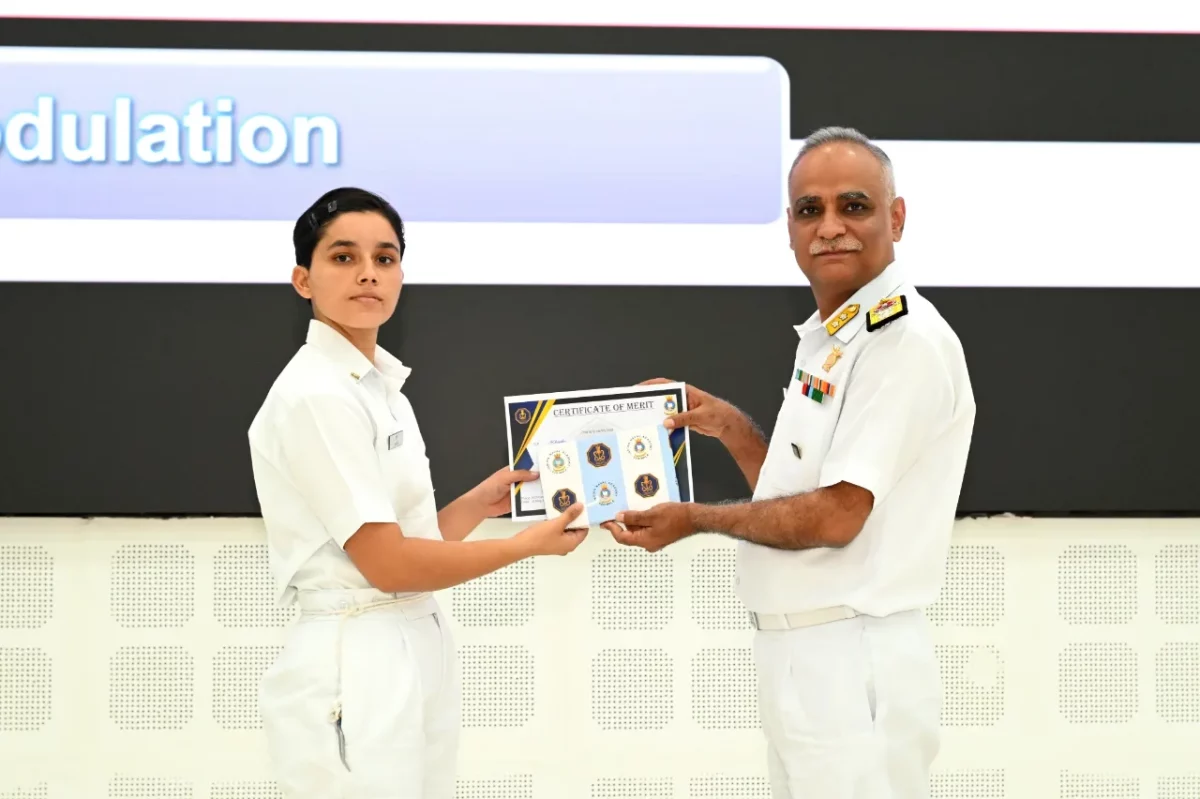
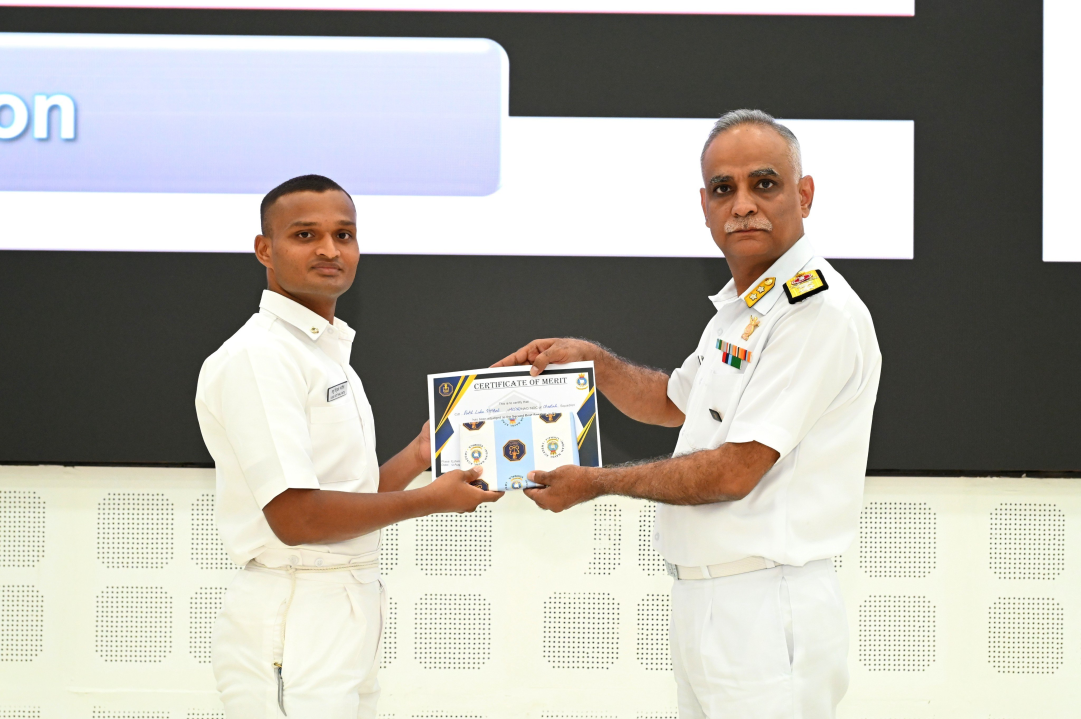
The Principal of the Indian Naval Academy presented book prizes to the individual winners in recognition of their excellence in public speaking. The prizes acknowledged the efforts of cadets who demonstrated exceptional ability in articulating their thoughts and presenting them effectively before the audience.
Beyond determining winners, the competition served as an important training platform for all participating cadets. Speaking before a formal gathering helps young trainees overcome hesitation, improve stage confidence and develop the ability to communicate under pressure. Such opportunities also encourage cadets to listen to different perspectives, structure their arguments and respond to ideas in a disciplined manner.
Communication skills are an integral element of military leadership. Officers are frequently required to brief their teams, communicate operational instructions, interact with senior leadership and represent their units during professional engagements. The ability to communicate complex ideas in a simple and convincing manner therefore becomes an important professional competency.
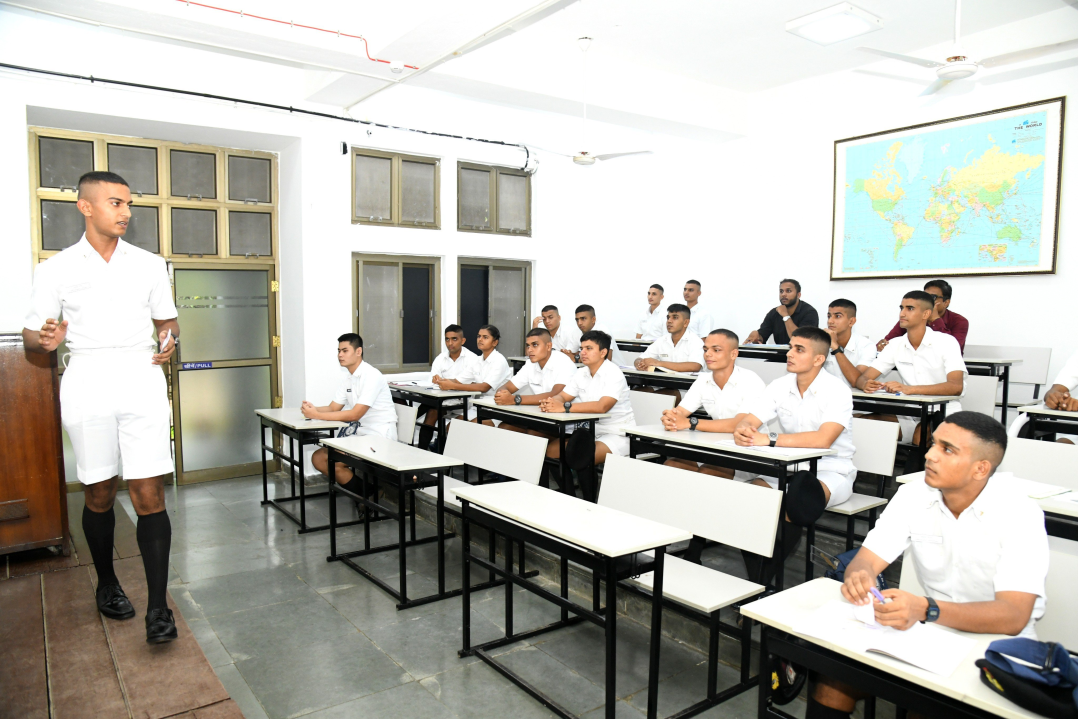
Activities such as public speaking competitions complement the rigorous academic, physical and military training undertaken by cadets at the Indian Naval Academy. While classroom instruction and field training build professional knowledge and operational competence, platforms involving debates, discussions and public speaking contribute to the development of personality, confidence and leadership presence.
The Inter-Squadron format also promotes healthy competition among cadets while strengthening squadron spirit and teamwork. Participants prepare not merely as individuals but as representatives of their respective squadrons, adding a sense of responsibility and collective pride to their performance.
For cadets preparing to become commissioned officers of the Indian Navy, such experiences contribute to their broader transformation from trainees into confident military leaders. The ability to think clearly, articulate ideas effectively and communicate with conviction becomes increasingly important as they progress towards positions where they will be responsible for personnel, equipment and operational missions.
The Inter-Squadron Public Speaking Competition at INA therefore represented more than a contest of speeches. It formed part of the academy’s wider effort to nurture well-rounded officers capable of expressing their ideas confidently, influencing others positively and assuming leadership responsibilities in the service of the nation.