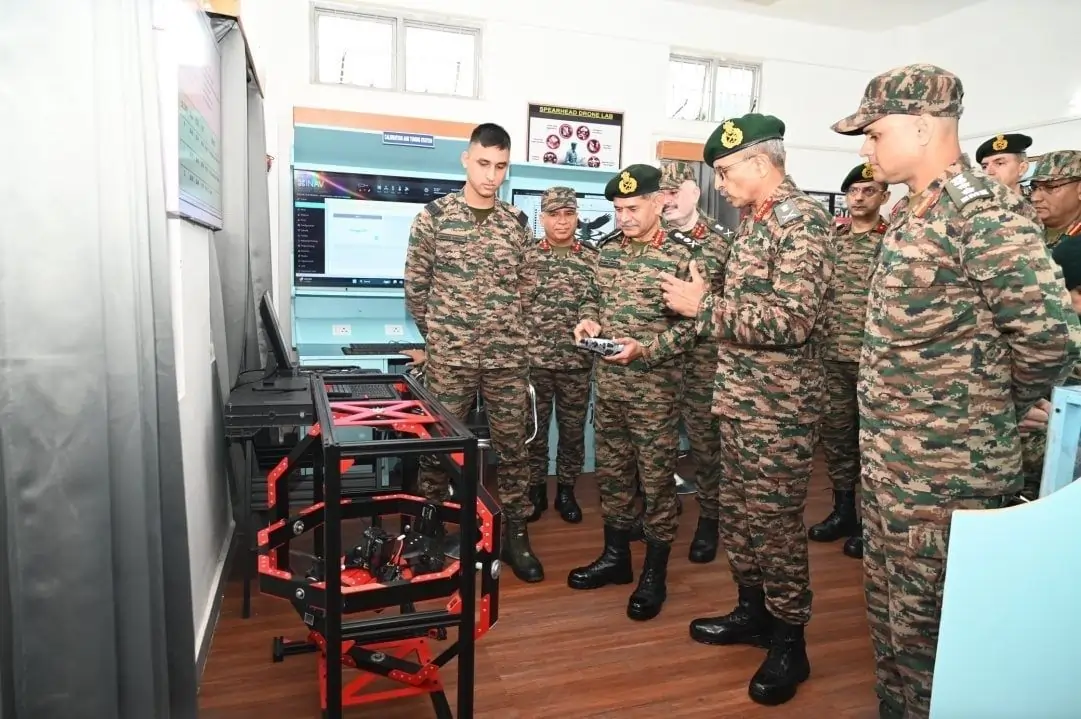
The Ministry of Defence has drafted a comprehensive framework to secure combat drones from emerging vulnerabilities, marking a significant step toward strengthening India’s unmanned warfare capabilities.





The draft document, open for recommendations until April 8, will form a key part of the upcoming Defence Acquisition Procedure (DAP) 2026. It has been jointly prepared by the armed forces, National Security Council Secretariat, Ministry of Civil Aviation, Ministry of Electronics and Information Technology, Defence Research and Development Organisation, accredited laboratories, and industry stakeholders. Work on the framework began in September 2024.
Recognising the growing role of drones in modern warfare, especially across sensitive frontiers like the Himalayas, the framework aims to create a secure operational ecosystem for “low, slow, and small” drones—including nano, micro, and small platforms such as quadcopters and hexacopters. These are expected to constitute nearly 95% of aerial systems in future battlefields.
The document highlights existing gaps in India’s domestic drone manufacturing and testing capabilities, noting that these will take time to fully mature. However, it emphasises ongoing efforts to achieve complete indigenisation and establish a foolproof supply chain verification system.
A key feature of the framework is the adoption of “secure-by-design” principles, ensuring that security measures are integrated from the earliest stages—starting from the Request for Information (RFI) phase through procurement and lifecycle upgrades. This layered approach aims to eliminate vulnerabilities before they can be exploited.
The Indian Army has already been expanding its drone capabilities, introducing specialised units such as Ashni platoons, Divyastra batteries, Shaktiban regiments, and proposed Shaurya squadrons in armoured units. With drones becoming central to operations across all three services, ensuring their security has become a strategic priority.
The framework identifies major threats including communication interception, GPS jamming and spoofing, control hijacking, and malware-based data breaches. Proposed safeguards include secure communication links using Software Defined Radios, anti-jamming mechanisms, and robust cyber protection protocols.
Importantly, the policy seeks to reduce reliance on foreign—particularly Chinese—components in drone systems, encouraging greater participation from domestic industry. This move follows past concerns, including incidents of technical failures and procurement cancellations linked to foreign components.
The long-term vision outlined in the document is to develop fully indigenous drones and critical components down to the chip level. Such an approach would significantly reduce vulnerabilities, ensure supply chain security, and enhance operational control.
The initiative reflects India’s broader push toward self-reliance in defence technology while adapting to the rapidly evolving dynamics of drone warfare.