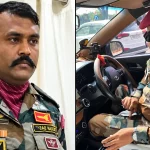

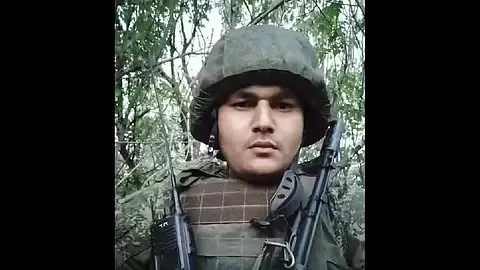
The death of Rakesh Maurya, a 30-year-old engineering graduate from Sitarganj in Uttarakhand’s Udham Singh Nagar district, after being recruited into the Russian Army, has plunged his family into grief and raised serious questions about the safety of Indian nationals abroad and the role of authorities in protecting them.





Maurya had travelled to Russia in August this year, reportedly to pursue higher studies. According to his family, he later informed them that he had been enlisted into the Russian armed forces and was being sent for military training. In September, the family lost contact with him, following which his brother Deepu approached the Ministry of External Affairs (MEA) and the Indian Embassy in Moscow, seeking his return to India.
A day after Maurya’s body reached his hometown and was cremated, the family expressed anguish and disbelief over the circumstances leading to his death. “We kept hoping he would come back. We contacted the embassy and raised the issue everywhere possible, but nothing worked. He didn’t return alive,” Deepu said.
The family also alleged that Maurya’s passport and documents were seized after he reached Russia, leaving him with no option to return. Questioning the response of authorities, Deepu said, “When Russia is projected as India’s ally, how can Indian citizens be treated like this? If this is the situation in a friendly country, what will happen to Indians elsewhere?”
The case has added to growing concerns over Indian nationals allegedly being misled or coerced into military service in Russia amid the ongoing Russia–Ukraine conflict. The MEA has earlier acknowledged that several Indians were recruited under misleading circumstances and that diplomatic efforts are underway to secure the return of those still serving.
District administration officials in Udham Singh Nagar declined to comment on the matter.
Maurya’s death has once again highlighted the risks faced by Indians travelling abroad on student or employment visas and the urgent need for stronger safeguards, coordination, and timely intervention to protect citizens caught in conflict zones.