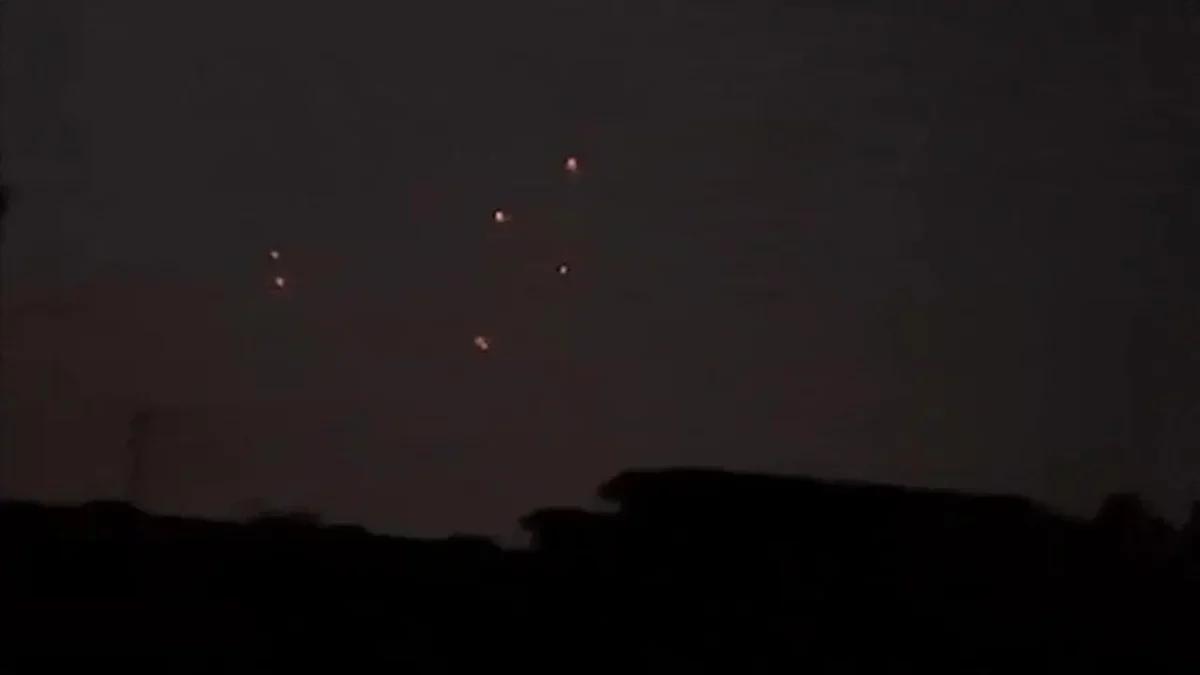
Multiple suspected drone sightings along the International Border (IB) and Line of Control (LoC) in Jammu and Kashmir have triggered heightened security measures, as Indian forces responded swiftly to what officials describe as potential aerial intrusions from across the border.





According to defence sources, unidentified drones were sighted on the evening of January 15 over sensitive sectors including Poonch along the LoC and Ramgarh in Samba district along the IB. In response, Indian troops activated counter-unmanned aerial system (counter-UAS) protocols, including electronic surveillance, tracking measures, and warning shots in some areas to deter the objects.
Security forces remain on high alert following a spate of similar incidents over the past week. Earlier, suspected drones were spotted in Rajouri district, where troops fired at aerial objects entering Indian airspace as per standard operating procedures. No casualties or confirmed infiltrations have been reported in the latest sightings.
Pattern of Drone Activity
Officials say the recent incidents form part of a broader pattern of drone activity along the western border. At least three sightings have been reported within a span of four days across Samba, Poonch, and Rajouri districts. On January 9, security agencies recovered an alleged arms consignment—including pistols, ammunition, and a grenade—believed to have been dropped by a drone near Paloora village in Samba, intensifying concerns over drone-based smuggling and reconnaissance.
Indian forces have stepped up vigilance, deploying radar systems, optical surveillance, electronic jamming equipment, and manual engagement options to counter evolving aerial threats. The increasing frequency of such incidents has raised operational and strategic concerns within defence circles.
Army and Diplomatic Response
The Indian Army has reiterated that it will not tolerate aerial intrusions across its borders. General Upendra Dwivedi, Chief of the Army Staff, has warned Pakistan to rein in such activities, describing repeated drone sightings as “unacceptable” and affirming India’s resolve to safeguard its territorial integrity.
Defence officials confirmed that concerns have been conveyed to Pakistan at the Director General of Military Operations (DGMO) level, urging restraint and adherence to existing border understandings. Pakistan, meanwhile, has denied involvement in some past incidents, characterising certain claims as exaggerated or provocative, though no detailed official response has been issued regarding the latest sightings.
Strategic Context
Analysts note that drones have become a key tool in asymmetric warfare, offering surveillance capabilities and plausible deniability. Along the India–Pakistan border, rugged terrain and the use of small unmanned platforms complicate attribution and intent assessment, increasing the risk of miscalculation.
The surge in drone sightings comes amid intensified nationwide security preparedness, particularly with major national events underway. Indian defence planners view the incidents as a reminder of the need for enhanced counter-drone capabilities, faster intelligence sharing, and calibrated responses that deter threats without escalating tensions.
While security forces continue to remain vigilant on the ground, officials emphasise that India’s approach combines firm military readiness with measured diplomatic signalling—seeking to prevent provocations while maintaining stability along a sensitive and volatile frontier.