
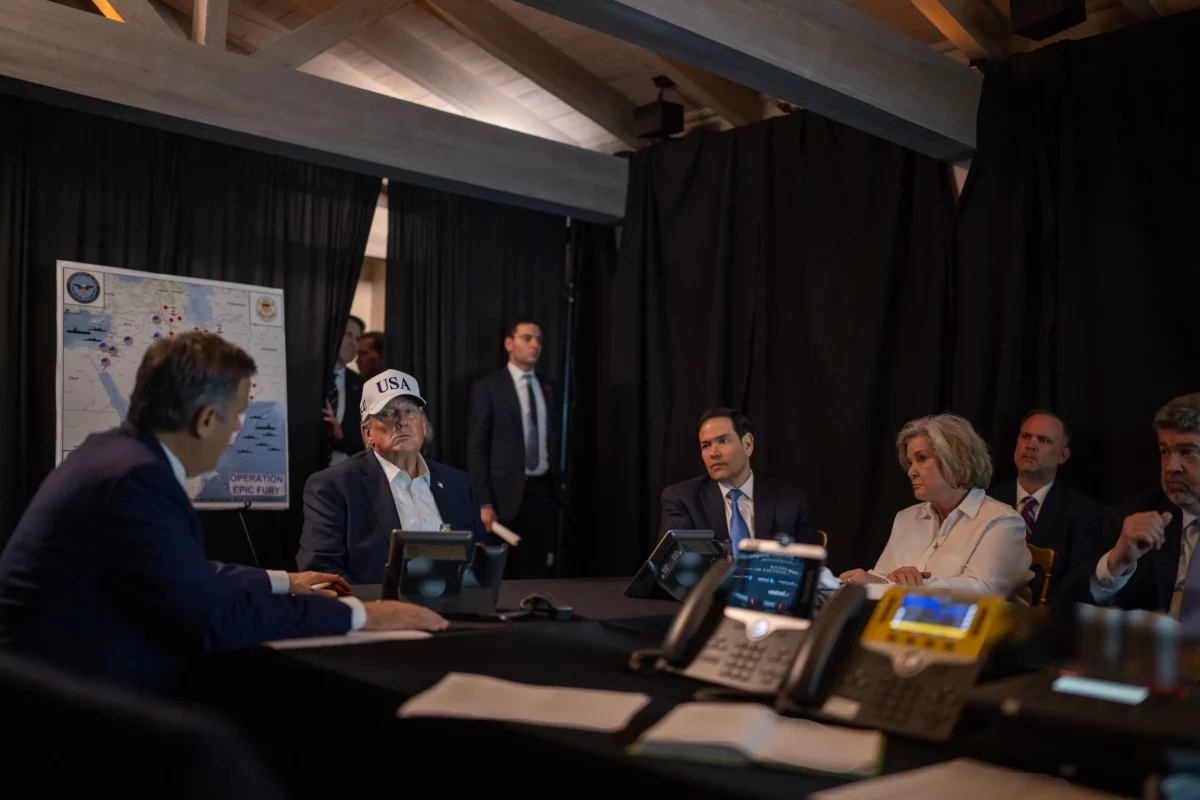
On February 28, 2026, the United States, in coordination with Israel, initiated a significant military operation against Iran, designated as “Operation Epic Fury” by the U.S. Department of Defense. This action involved airstrikes, missile launches, and cyber operations targeting Iranian military infrastructure, nuclear facilities, and leadership compounds. The strikes resulted in the confirmed death of Iran’s Supreme Leader, Ayatollah Ali Khamenei, and marked a substantial escalation in longstanding tensions between the U.S. and Iran. President Donald J. Trump announced the operation in a video message, framing it as a necessary measure to protect American interests and allies. This article examines the key factors that influenced the U.S. decision, drawing on official statements, intelligence assessments, and geopolitical context.





Historical Context and Escalating Tensions
The U.S.-Iran relationship has been characterized by antagonism since the 1979 Iranian Revolution, which established the Islamic Republic and led to the severance of diplomatic ties. Over the decades, Iran has faced extensive international sanctions due to its nuclear program, support for proxy militias, and human rights violations. The 2015 Joint Comprehensive Plan of Action (JCPOA), aimed at curbing Iran’s nuclear activities, was abandoned by the U.S. in 2018 during Trump’s first term, leading to renewed sanctions and Iran’s gradual resumption of uranium enrichment.

Tensions intensified in 2025 with a 12-day conflict between Israel and Iran, in which the U.S. provided limited support. Israeli and U.S. strikes during that period destroyed portions of Iran’s nuclear infrastructure, but reports indicated that Iran had begun rebuilding efforts. By early 2026, U.S. intelligence assessments suggested Iran was approaching a critical threshold for nuclear weapon development, potentially within weeks of acquiring sufficient fissile material. This development, combined with Iran’s missile advancements and regional aggression, created a perceived existential threat to U.S. allies, particularly Israel and Gulf states.

Primary Reasons for the U.S. Decision
1. Iran’s Nuclear Program and Non-Compliance with Diplomatic Efforts
A central justification for the strikes was Iran’s persistent pursuit of nuclear capabilities. President Trump emphasized that Iran had “rejected every opportunity to renounce their nuclear ambitions.” Despite multiple rounds of indirect negotiations in February 2026—mediated in locations such as Geneva, Oman, and Vienna—Iran refused to commit to verifiable denuclearization. U.S. envoys, including Jared Kushner and Steve Witkoff, reported that Iran would not affirm it would “never have a nuclear weapon,” a key demand from the Trump administration.
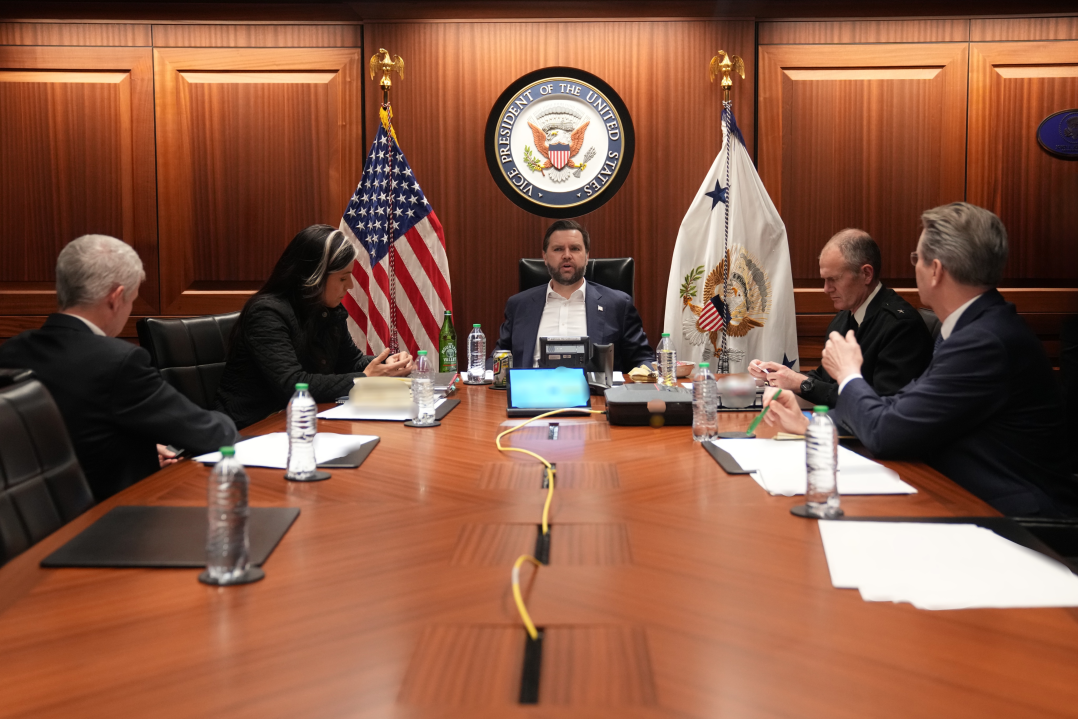
Intelligence briefings indicated Iran had reconstituted elements of its nuclear program following the 2025 strikes, including enriched uranium stockpiles. The U.S. viewed this as an “intolerable risk,” arguing that a nuclear-armed Iran could destabilize the Middle East and directly threaten American homeland security. The operation targeted nuclear sites in cities like Tehran and Isfahan to prevent a breakout scenario.
2. Development of Long-Range Missiles and Imminent Threats
Iran’s ballistic missile program was another critical factor. Trump highlighted that Iran was developing missiles capable of reaching Europe, U.S. troops overseas, and potentially the American mainland. A U.S. intelligence assessment revealed intentions to use these missiles preemptively against American forces in the region. The strikes aimed to “raze” Iran’s missile industry and launchers, with Israel reporting the destruction of hundreds of targets, including those in western Iran.
Senior administration officials described the missile arsenal, particularly in southern Iran, as posing an immediate danger to U.S. bases in Qatar, Kuwait, the UAE, and Bahrain. Preemptive action was deemed essential to minimize casualties, as waiting for Iranian retaliation could lead to higher losses.
3. Support for Terrorism and Proxy Warfare
Iran’s sponsorship of proxy groups, such as Hezbollah, the Houthis, and Hamas, has resulted in attacks on U.S. interests and allies. These include assaults on shipping in the Strait of Hormuz, strikes on Israeli civilians, and threats to U.S. military personnel. The U.S. sought to dismantle Iran’s “Axis of Resistance” by targeting naval forces and command structures. Trump characterized the regime as a “vicious group” responsible for regional instability.
Additionally, the operation addressed Iran’s domestic repression. Following lethal crackdowns on protests in January 2026, Trump vowed U.S. support for Iranian dissidents. In his announcement, he urged Iranians to overthrow their government, positioning the strikes as an opportunity for regime change.
4. Failed Diplomacy and Perceived Iranian Deception
The decision followed the collapse of last-ditch talks on February 26, 2026. Administration officials accused Iran of employing “games, tricks, and stall tactics” during negotiations, refusing to discuss ballistic missiles or proxy support. This frustration, coupled with military buildup—including two U.S. aircraft carriers in the region—created momentum for action. Pressure from Israel, which viewed Iran as an existential threat, further influenced the joint operation, planned during Israeli Prime Minister Benjamin Netanyahu’s visit to Washington two weeks prior.
Operational Details and Immediate Aftermath
The strikes involved approximately 200 Israeli jets and U.S. B-2 bombers flying from the mainland, as the UK denied base access. Targets included leadership residences, government ministries, and military facilities across nine cities. Iran responded with retaliatory missile strikes on Israel and U.S. bases in the Middle East, escalating the conflict. The operation also featured a major cyber component, disrupting Iran’s internet infrastructure.
Broader Implications
The U.S. decision reflects a shift from containment to direct confrontation, justified by the administration as essential for global security. Critics argue it lacks congressional approval and risks a wider war, but proponents maintain it prevents greater future threats. The strikes have prompted international reactions, including disruptions in global oil markets due to threats in the Strait of Hormuz.
In summary, the U.S. attack on Iran was driven by concerns over nuclear proliferation, missile threats, terrorism sponsorship, and diplomatic impasse. While the long-term outcomes remain uncertain, the operation underscores the administration’s commitment to addressing perceived existential risks through decisive action.