
The Indian Army has significantly intensified counter-terrorism operations across Jammu and Kashmir, particularly in the Kishtwar and Doda districts, to neutralise Pakistani terrorists attempting to exploit the harsh winter conditions for concealment, defence sources said on Saturday.





Traditionally, the onset of Chillai Kalan—the harshest 40-day winter phase in the Kashmir region from December 21 to January 31—results in a temporary lull in terrorist activity due to heavy snowfall, closed mountain passes, and limited mobility. However, officials said this winter marks a decisive shift in operational strategy.
Proactive Winter Posture
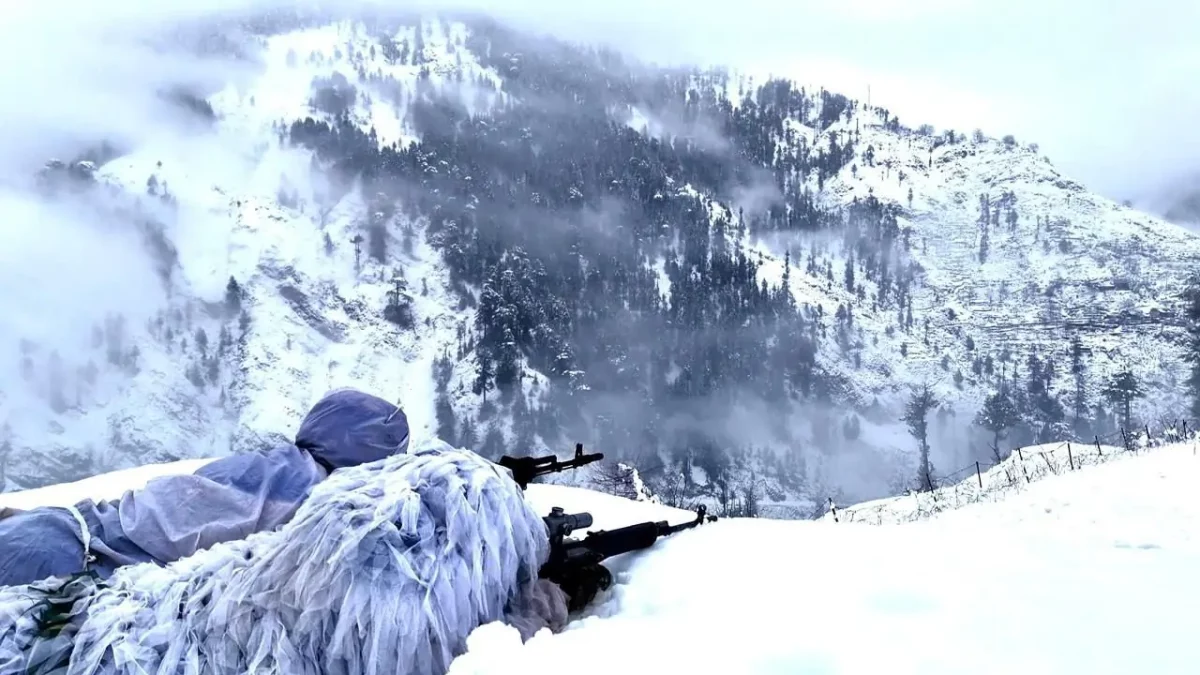
Instead of scaling down operations, the Army has adopted a “proactive winter posture”, establishing temporary bases and surveillance posts deep inside snow-bound and high-altitude areas. This approach is aimed at maintaining continuous pressure on terrorist hideouts and denying them any winter sanctuary.
Army patrols, operating in sub-zero temperatures, poor visibility, and treacherous terrain, are regularly traversing high ridgelines, dense forests, and remote valleys to prevent terrorists from regrouping or slipping into populated areas.
Intelligence-Based Operations
According to assessments by multiple intelligence agencies, around 30–35 Pakistani terrorists are currently active in the Jammu region. Intelligence inputs suggest that sustained counter-terror pressure has forced these groups into higher and middle mountain reaches, now largely uninhabited due to winter conditions.
With local support networks drying up, terrorists are reportedly attempting to coerce villagers for shelter and supplies, though such efforts have been increasingly unsuccessful due to vigilant security presence and community cooperation.
Integrated Security Grid
A defining feature of this winter’s operations has been seamless inter-agency coordination. The Army is leading synchronised efforts with the Jammu and Kashmir Police, Central Reserve Police Force (CRPF), Special Operations Group (SOG), civil administration, forest guards, and Village Defence Guards (VDGs).
This integrated approach ensures rapid intelligence sharing, precise operational planning, and swift execution of joint operations once actionable inputs are confirmed.
Technology and Winter Warfare Expertise
Modern surveillance tools—including drones, ground sensors, thermal imaging devices, and surveillance radars—are being deployed extensively to track movement, detect heat signatures, and identify infiltration routes even in snow-covered terrain.
The Army has also inducted specialised winter warfare sub-units, trained in high-altitude survival, snow navigation, avalanche response, and snow combat, enabling sustained operations during extreme weather.
New Winter Doctrine
Security forces are following a “surveillance–sweep–surveillance” cycle, ensuring that areas cleared of terrorist presence remain under constant watch. This doctrine focuses on containment, disruption of logistics and communications, and preventing terrorists from exploiting seasonal advantages.
Officials said that even during the peak of Chillai Kalan—when most mountain activity traditionally comes to a halt—the Army remains resolute. The intensified winter operations underline the force’s adaptability, technological edge, and unwavering resolve to maintain pressure on terrorist elements and ensure security across Jammu and Kashmir, regardless of weather or terrain.