

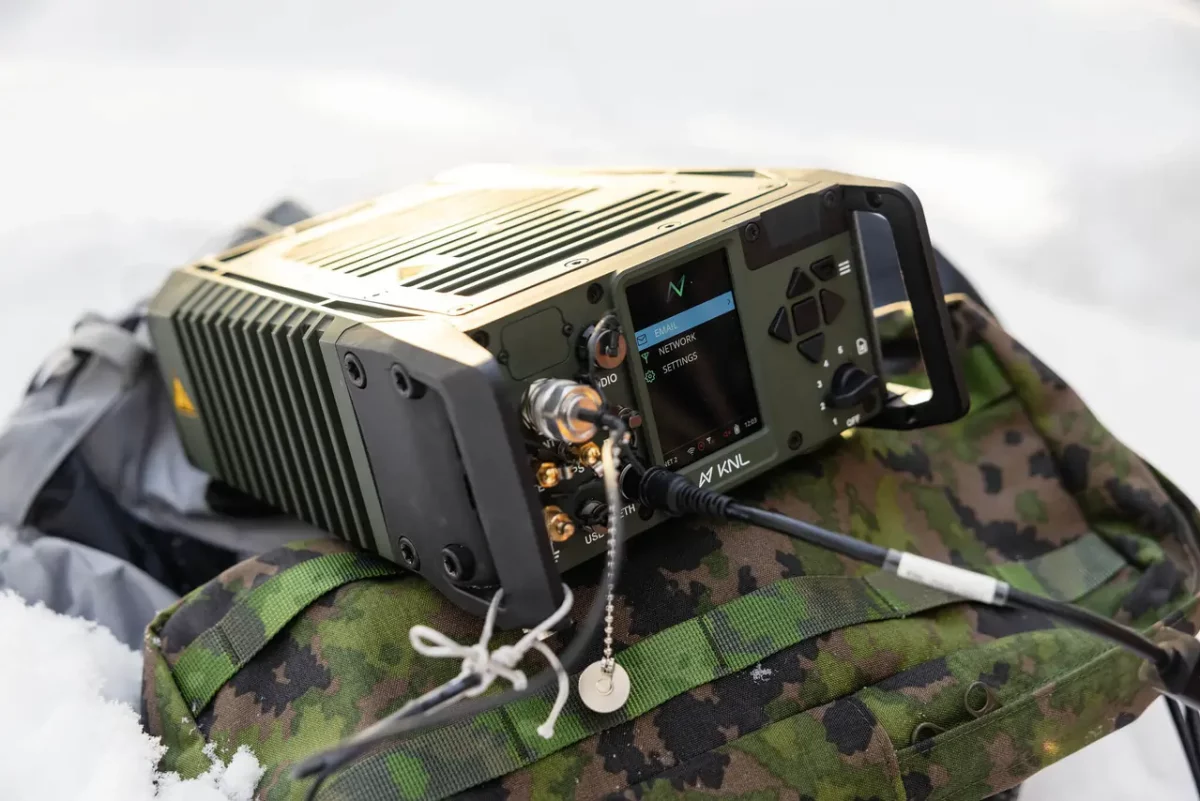
In a major boost to indigenous defence electronics and secure military communications, the Indian Air Force (IAF) has awarded a contract worth approximately ₹275 crore to Hyderabad-based Astra Rafael Comsys (ARC) for the supply and integration of cutting-edge Software Defined Radios (SDRs).





The order marks a significant upgrade of the IAF’s airborne communication architecture and aligns with its broader modernisation and network-centric warfare goals.
Modernising MiG-29s and Strengthening Tejas Mk-1A
The contract covers two critical components. First, ARC will retrofit advanced SDR systems on the IAF’s existing MiG-29 fighter aircraft, significantly enhancing the communication capabilities of the ageing but still potent platforms.
Second, the company will supply 24 SDR units for the Light Combat Aircraft (LCA) Tejas Mk-1A, India’s indigenous fighter that forms the backbone of the IAF’s plan to replace the MiG-21 Bison fleet. These radios will ensure that the Tejas Mk-1A meets contemporary 4.5-generation combat communication standards from the outset.
Why Software Defined Radios Matter
Unlike conventional hardware-based radios, SDRs rely on software to perform core communication functions such as modulation, demodulation, and signal processing. This allows unmatched flexibility, enabling aircraft to switch frequencies, waveforms, and protocols dynamically in contested environments.
According to defence officials, the SDRs will:
- Enable seamless interoperability between air, land, and naval forces
- Support real-time voice, data, and video transmission
- Enhance secure, encrypted communications in high-threat airspace
- Allow rapid capability upgrades through software updates without hardware replacement
These features are central to modern C4I (Command, Control, Communications, Computers, and Intelligence) frameworks and net-centric warfare.
Indo-Israeli Joint Venture and ‘Make in India’
Astra Rafael Comsys is a joint venture between India’s Astra Microwave Products Limited and Israel’s Rafael Advanced Defence Systems. Based in Hyderabad, ARC operates India’s first private-sector facility dedicated to producing military-grade SDRs.
The programme benefits from technology transfer from Rafael, enabling high levels of indigenisation and reducing dependence on foreign avionics. Officials noted that indigenous content in Tejas Mk-1A communication systems is expected to exceed 60%, reinforcing the Atmanirbhar Bharat and Make in India initiatives.
Strategic and Economic Impact
The induction of SDRs will significantly enhance the IAF’s ability to operate against technologically advanced adversaries, including China’s J-10 and Pakistan’s JF-17. For the MiG-29 fleet, the upgrade extends operational relevance, while for Tejas Mk-1A, it ensures a future-ready communications backbone.
Economically, the ₹275 crore order strengthens Hyderabad’s growing defence manufacturing ecosystem, generating skilled employment in engineering, R&D, and advanced electronics, while supporting a wider MSME supply chain.
Looking Ahead
Defence analysts believe this contract could pave the way for wider SDR adoption across the IAF, potentially extending to platforms such as the Su-30MKI, Rafale, and the future Advanced Medium Combat Aircraft (AMCA), enabling a standardised, secure communication grid across the force.
The deal underscores the increasing role of India’s private defence sector in delivering critical, high-technology capabilities and marks another step toward a resilient, future-proof aerial command and control network for the Indian Air Force.