

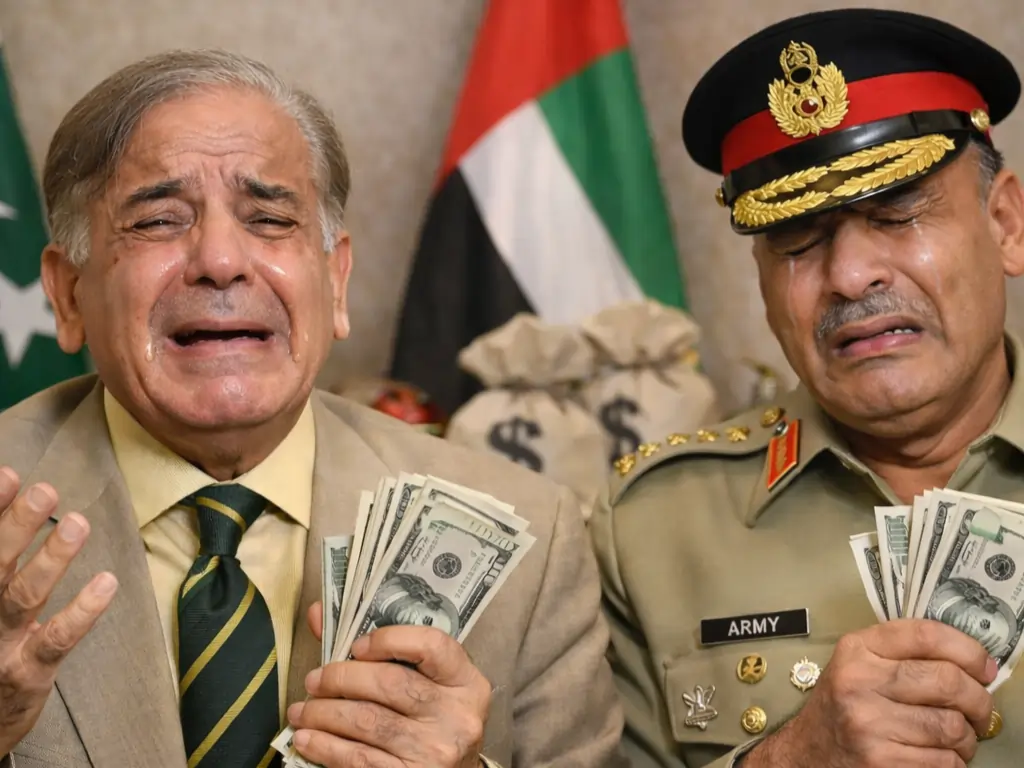
Pakistan will convert $1 billion of debt owed to the United Arab Emirates into equity by selling a stake in the army-run Fauji Foundation, in a move that underscores Islamabad’s deepening financial stress and growing reliance on external support.





Speaking at a year-end briefing, Pakistan’s Deputy Prime Minister and Foreign Minister Ishaq Dar confirmed that Abu Dhabi would acquire shares in the Fauji Foundation Group, effectively eliminating a $1 billion liability due by the end of March 2026. The transaction is expected to be completed by March 31.
Alongside the equity conversion, Pakistan is also seeking the rollover of an additional $2 billion in loans, further highlighting the scale of its immediate financing needs.
Mounting Debt Pressures
Official data shows Pakistan’s external debt at $91.8 billion as of June 2025, while total public debt has surged to about $286.8 billion, compared with an estimated $410 billion economy, according to the International Monetary Fund.
Over the past two years, Islamabad has raised roughly $12 billion from friendly countries to stabilise its current account and meet IMF conditions. During this period, Saudi Arabia extended about $5 billion, China provided $4 billion through state-to-state deposits, and the UAE contributed $3 billion.
Strategic Assets for Fiscal Relief
The loan-to-equity swap follows Pakistan’s recent privatisation of Pakistan International Airlines, which fetched around $482 million but offered limited immediate relief after legacy liabilities of over $2.3 billion were parked in a separate entity.
The latest arrangement with the UAE comes after talks between Prime Minister Shehbaz Sharif and UAE President Mohammed bin Zayed Al Nahyan, who has visited Pakistan twice this year.
Long Reliance on Bailouts
Pakistan has entered 23 IMF programmes since 1958 and is currently supported by a $7 billion Extended Fund Facility and a $1.3 billion Resilience and Sustainability Facility. It has also leaned heavily on China, which has committed over $75 billion to Pakistan between 1999 and 2023, including major investments under the China–Pakistan Economic Corridor.
Years of high inflation, liquidity shortages, natural disasters, and the pandemic have left the economy fragile. With the IMF projecting growth of only around 2.7% this fiscal year, the UAE deal signals a shift from reform-led recovery to selling stakes in military-linked assets to stay solvent—raising fresh questions about Pakistan’s long-term fiscal sustainability.