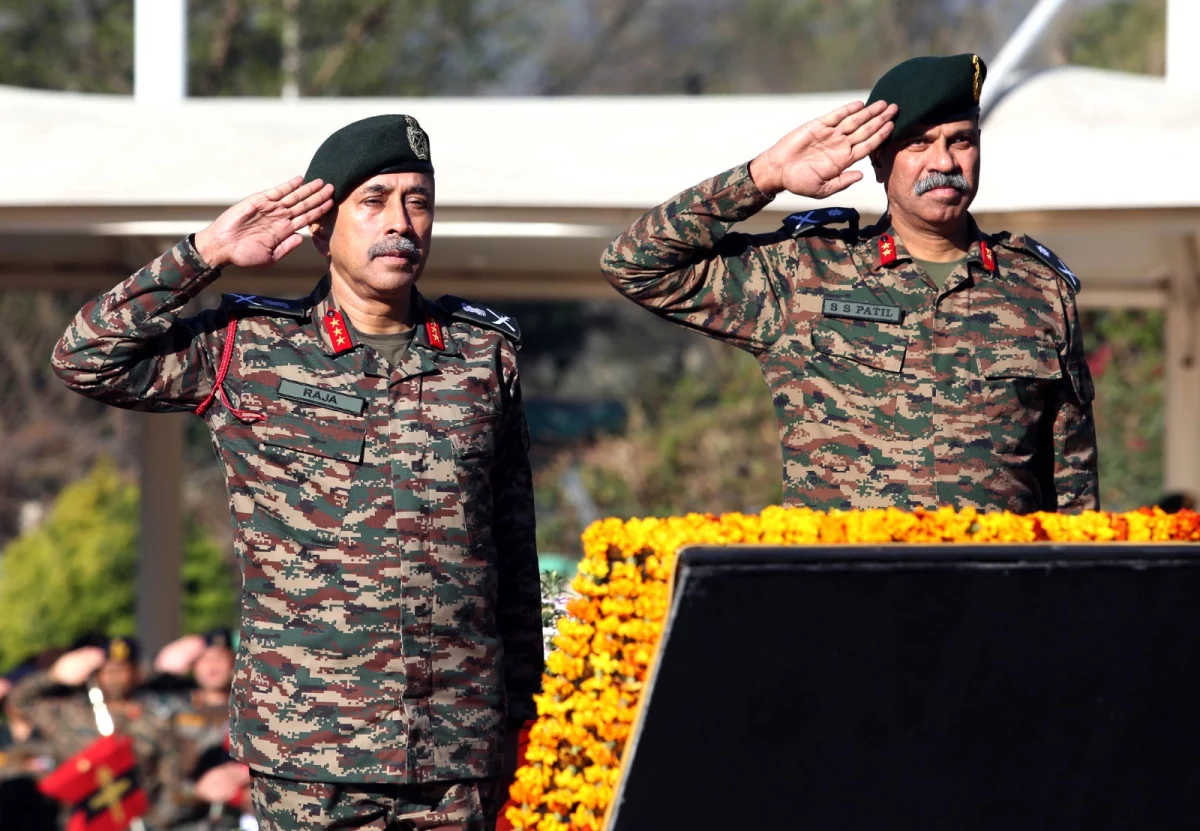
Lieutenant General N. S. Raja Subramani, PVSM, AVSM, SM, VSM (Retd), stands as one of the most distinguished military leaders of contemporary India. Commissioned into the 8th Battalion of The Garhwal Rifles on 14 December 1985, he superannuated from active service on 31 July 2025 after 39 years of exemplary duty. On 9 May 2026, the Government of India appointed him as the third Chief of Defence Staff (CDS), with effect from 31 May 2026. He will concurrently serve as Secretary to the Government of India in the Department of Military Affairs, succeeding General Anil Chauhan.





His journey—from a young officer in the Garhwal Rifles to the apex of India’s integrated defence leadership—embodies intellectual rigour, operational excellence, and unwavering dedication to national security. The following five facts illuminate the qualities that make his career a source of profound inspiration for the armed forces and the nation.
1. Academic Excellence That Bridges Military Tradition with Strategic Scholarship
Lieutenant General Subramani exemplifies the rare fusion of battlefield leadership and scholarly pursuit. An alumnus of the 67th Course of the National Defence Academy and the 77th Course of the Indian Military Academy, he further honed his strategic acumen at the Joint Services Command and Staff College in Bracknell, United Kingdom, and the National Defence College, New Delhi. He holds a Master of Arts degree from King’s College London and an M.Phil. in Defence Studies from the University of Madras.
This commitment to higher education is not merely academic; it has directly informed his operational and policy contributions. His postgraduate work equipped him with a nuanced understanding of international security dynamics, which he applied during sensitive staff appointments, including as Defence Attaché in Kazakhstan and Deputy Director General of Military Intelligence. In an era where warfare is increasingly hybrid and technology-driven, his scholarly foundation has enabled him to anticipate future threats and advocate for capability development with intellectual clarity. His example inspires young officers to view continuous learning as integral to professional excellence rather than an optional pursuit.
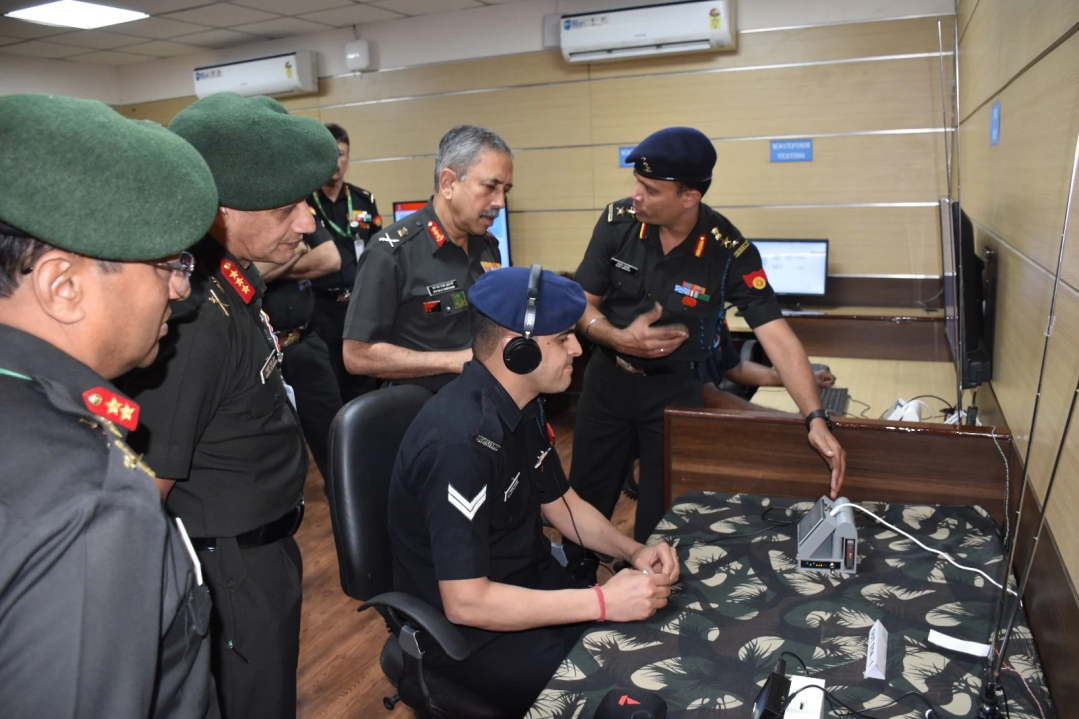
2. Versatile Command Across India’s Most Challenging Operational Theatres
Few officers have commanded formations across such a diverse spectrum of conflict environments. As a young battalion commander, Lieutenant General Subramani led 16 Garhwal Rifles during counter-insurgency operations in Assam under Operation Rhino, earning the Sena Medal for gallant leadership. He subsequently commanded the 168 Infantry Brigade along the International Boundary with Pakistan and the 17th Mountain Division in the high-altitude Central Sector, where he demonstrated exceptional skill in managing demanding terrain and climatic conditions.
Later, as a Lieutenant General, he commanded Uttar Bharat Area and the prestigious II Corps (Kharga Corps)—the Indian Army’s premier strike formation on the Western Front. His tenure as General Officer Commanding-in-Chief, Central Command, further showcased his ability to integrate multi-domain operations. This breadth of command experience across counter-insurgency, high-altitude warfare, and conventional strike roles has given him an unparalleled appreciation of India’s complex security challenges. His career trajectory demonstrates that true leadership transcends specialisation; it requires the adaptability to master every domain of warfare.
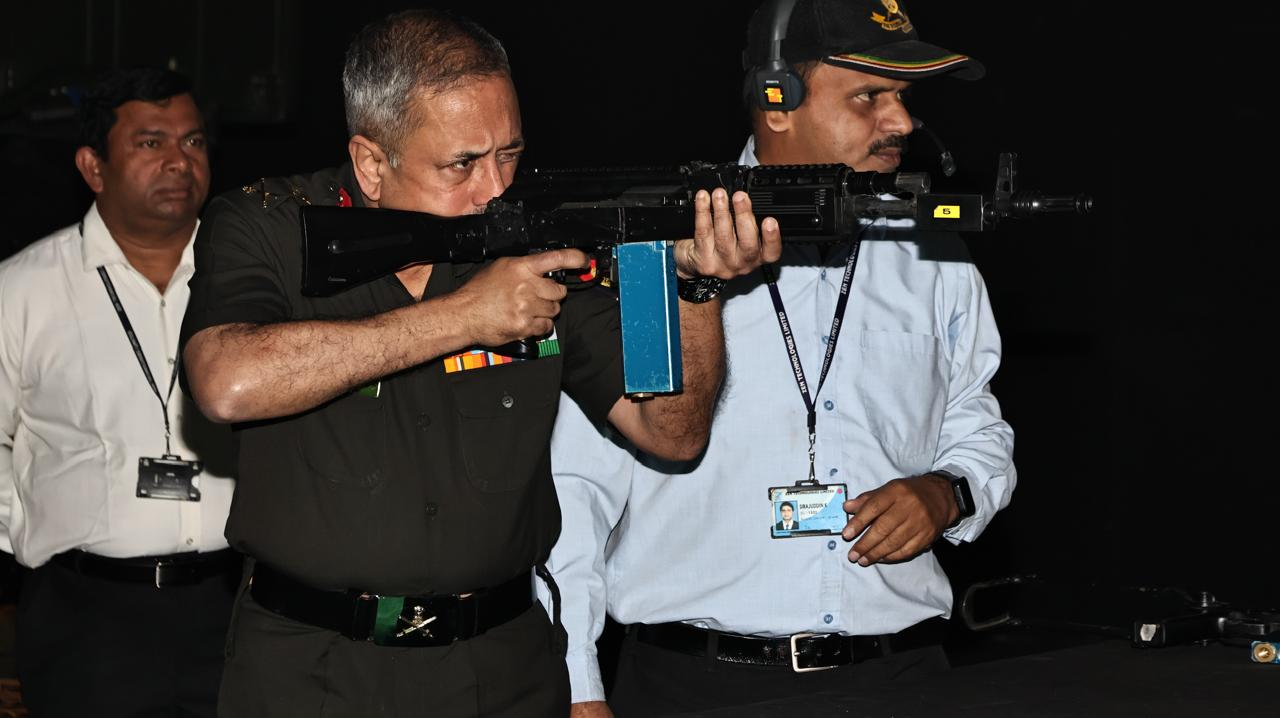
3. A Decorated Career Marked by Consistent Recognition for Distinguished Service
Lieutenant General Subramani’s service has been recognised at the highest levels. He was awarded the Param Vishisht Seva Medal (PVSM) in 2024, the Ati Vishisht Seva Medal (AVSM) on 26 January 2020, the Sena Medal, and the Vishisht Seva Medal, alongside numerous campaign and long-service medals, including the Siachen Glacier Medal and Operation Parakram Medal.
These decorations reflect not isolated acts of valour but sustained excellence across decades. Each award corresponds to periods of heightened responsibility—command of battalions and brigades in active operations, critical staff roles shaping military intelligence and planning, and senior leadership during pivotal national security moments. His decorations serve as public testament to a career defined by integrity, professional competence, and tangible contributions to operational readiness. For aspiring military leaders, his record illustrates that sustained merit, rather than fleeting brilliance, earns enduring recognition.
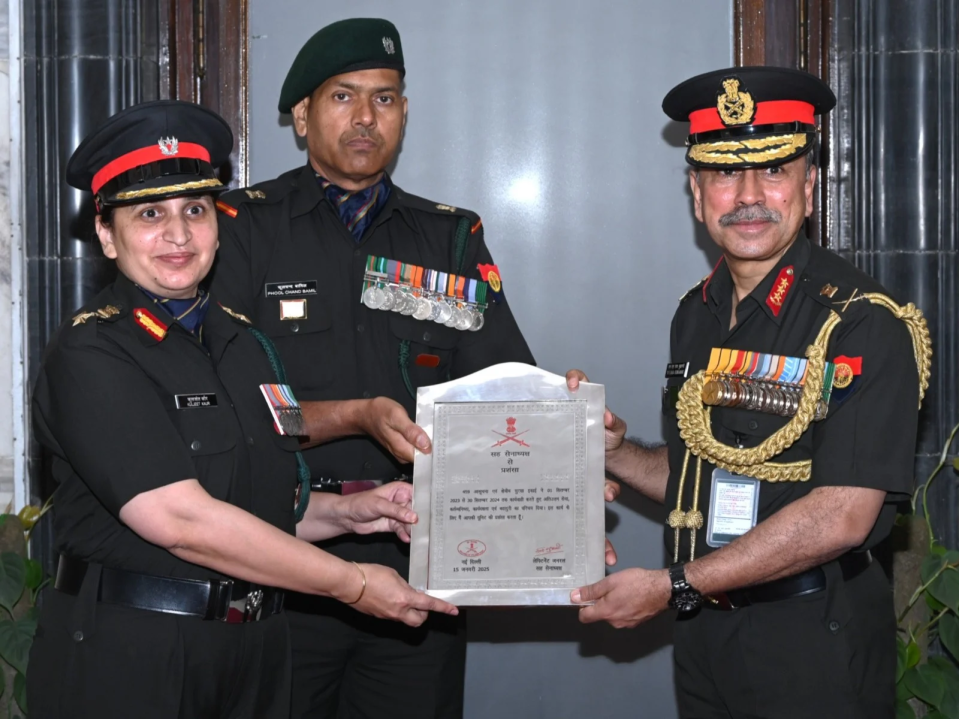
4. Seamless Evolution from Operational Commander to Architect of Integrated Defence Policy
After retiring as the 47th Vice Chief of the Army Staff on 31 July 2025, Lieutenant General Subramani did not step away from national service. He was appointed Military Adviser to the National Security Council Secretariat (NSCS) with effect from 1 September 2025, where he provided critical assessments on force planning, operational readiness, and inter-service coordination. His subsequent elevation to Chief of Defence Staff on 9 May 2026 represents the logical culmination of a career spent mastering both the tactical and strategic dimensions of defence.
This progression—from commanding troops in the field to shaping national military policy at the highest level—highlights his adaptability and vision. As CDS, he will oversee the Department of Military Affairs and drive the integration of the three services, a role that demands both battlefield credibility and sophisticated understanding of policy, technology, and geopolitics. His journey inspires confidence that India’s apex defence leadership remains in hands tempered by decades of operational reality.
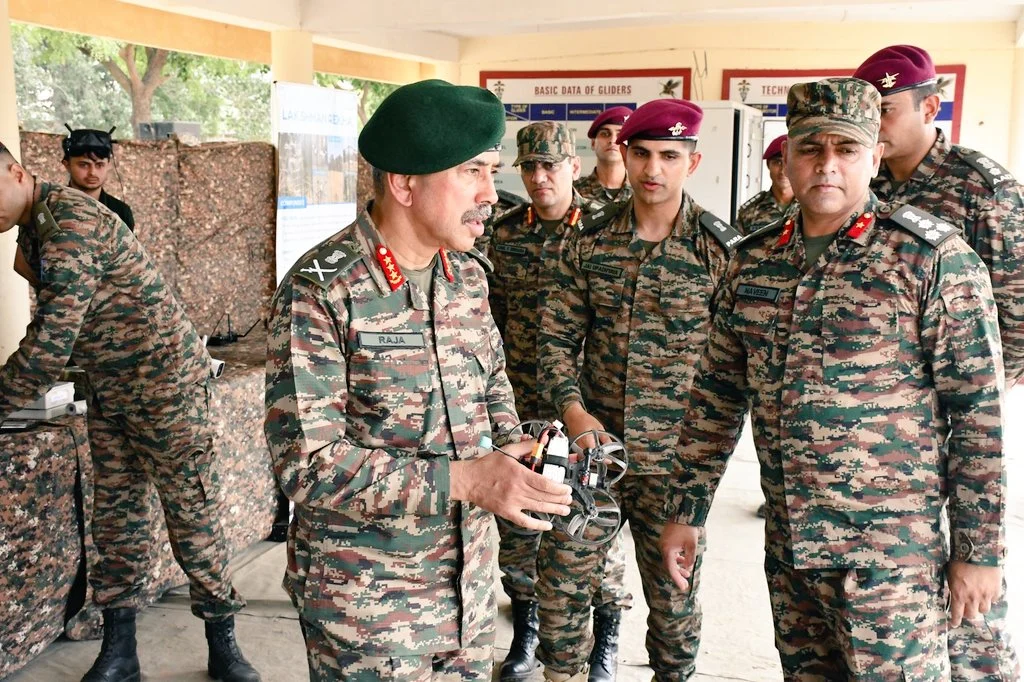
5. Enduring Dedication to National Security Spanning Nearly Four Decades
Perhaps the most inspiring aspect of Lieutenant General Subramani’s career is the sheer longevity and consistency of his commitment. From his commissioning in December 1985 through his retirement in July 2025 and into his current appointment as CDS, he has served the nation without interruption. Even after superannuation, he accepted the demanding role of Military Adviser to the NSCS before being entrusted with the CDS appointment.
His 39 years of active service, marked by postings across every major command and theatre, reflect a profound sense of duty that transcends personal comfort or career milestones. Colleagues and subordinates consistently note his calm professionalism, intellectual depth, and genuine concern for the welfare of troops. In an age when institutional loyalty is often questioned, his example reminds every serving member of the armed forces that sustained, selfless service remains the highest form of patriotism.
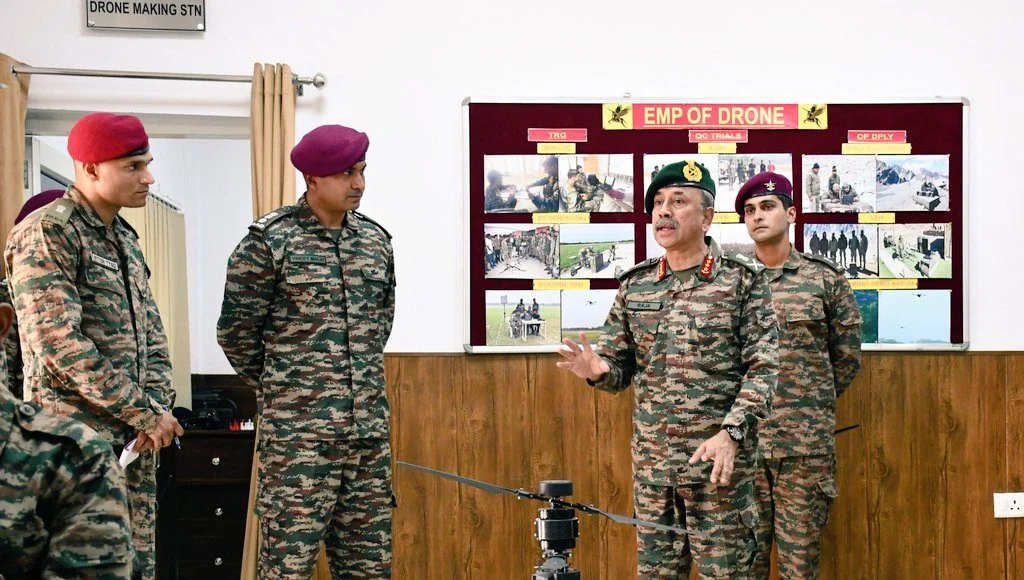
A Legacy of Leadership for a New Era
Lieutenant General N. S. Raja Subramani’s appointment as India’s third Chief of Defence Staff marks not merely a change in leadership but the affirmation of a particular model of military excellence—one that combines battlefield courage with strategic intellect, operational versatility with institutional loyalty, and personal humility with national vision. As he prepares to assume office on 31 May 2026, the nation looks to him to further strengthen the integration of India’s armed forces and to guide them through an increasingly complex security environment.
These five facts—academic rigour, versatile command, distinguished decorations, seamless strategic transition, and lifelong dedication—collectively paint the portrait of a leader whose career will continue to inspire generations of officers. In Lieutenant General Subramani, India finds not only a capable Chief of Defence Staff but a living embodiment of the values that have sustained the Indian Army for nearly eight decades: honour, courage, and selfless service to the nation.