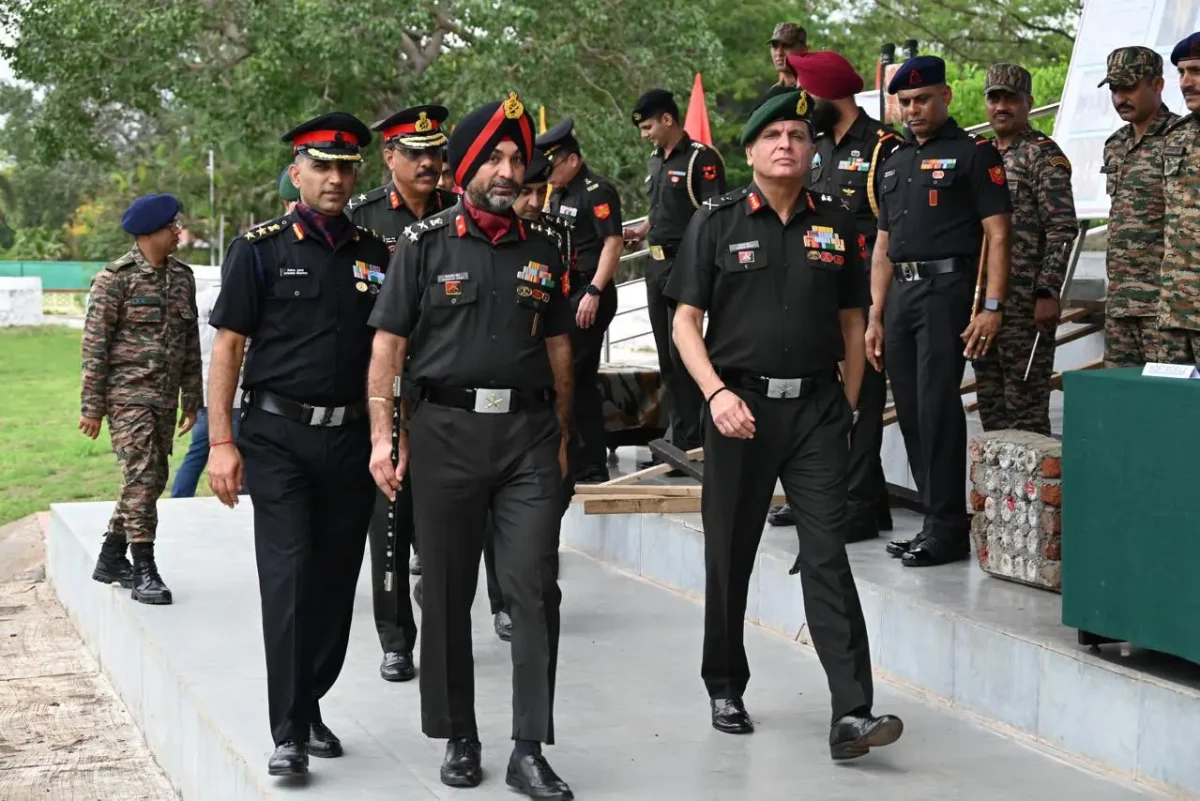
- Front-runner appears to be Lt Gen Pushpendra Singh: As the current Vice Chief of Army Staff, he aligns with longstanding conventions favoring seniority and institutional continuity, though final decisions rest with the government.
- Other strong contenders include Lt Gen Dhiraj Seth and Lt Gen Pratik Sharma: Their roles in commanding critical operational theaters—Southern Command and Northern Command, respectively—position them well, especially amid evolving border security challenges.
- Selection involves multiple factors: While seniority is key, operational experience, strategic acumen, and alignment with national priorities could influence the outcome, with no absolute guarantees in such appointments.
- Timeline and uncertainty: With General Dwivedi’s retirement slated for July 2026, announcements may come closer to the date, potentially influenced by geopolitical developments.
Background on the Succession
The Indian Army’s leadership transition follows established norms where the Chief of Army Staff (COAS) typically serves until age 62 or completes a standard tenure. General Upendra Dwivedi, who assumed the role in June 2024, will reach superannuation in July 2026. Speculation has intensified in defence circles, drawing on precedents like the appointments of previous chiefs, which balanced tradition with strategic needs.





The Selection Process
The Appointments Committee of the Cabinet (ACC), chaired by the Prime Minister, makes the final decision. It evaluates candidates based on seniority lists, service records, and operational expertise. While the Vice Chief often ascends, exceptions occur for compelling reasons, such as in 2016 when Lt Gen Bipin Rawat was selected over seniors. Current discussions emphasize readiness for multi-domain warfare, including along sensitive borders with China and Pakistan.
Profiles of Key Contenders
- Lt Gen Pushpendra Singh: A Special Forces veteran, he brings extensive counter-insurgency and logistics experience. His recent elevation to Vice Chief underscores his administrative prowess.
- Lt Gen Dhiraj Seth: An armoured corps specialist, his command of strike corps and southern theaters highlights expertise in conventional operations and rapid mobilization.
- Lt Gen Pratik Sharma: With deep infantry roots and exposure to high-altitude warfare, he is well-versed in managing northern border dynamics, a priority amid ongoing tensions.
Anticipating India’s Next Army Chief: Succession Dynamics in a Time of Strategic Flux
As the Indian Army navigates an era marked by geopolitical volatility, technological disruption, and evolving threats, the question of who will succeed General Upendra Dwivedi as Chief of Army Staff (COAS) has become a focal point of discussion within defence and strategic communities. Dwivedi, the 30th COAS and a Jammu and Kashmir Rifles officer, assumed command on June 30, 2024, following a career highlighted by operational roles along the Line of Control (LoC) and Line of Actual Control (LAC). Born in July 1964, he is set to retire in July 2026 upon reaching the age of 62, the mandatory superannuation limit for the position. With over a year remaining in his tenure as of early 2026, deliberations—though unofficial—have already begun, reflecting the Army’s emphasis on seamless leadership transitions.
Historical Context and Institutional Norms
The selection of the COAS is steeped in tradition, prioritizing seniority among serving Lieutenant Generals while allowing flexibility for operational imperatives. By convention, the Vice Chief of Army Staff (VCOAS) is often the natural successor, as seen in Dwivedi’s own elevation from that role. This preference stems from the VCOAS’s intimate involvement in Army Headquarters’ strategic planning, policy formulation, and resource allocation. However, governments have occasionally deviated from strict seniority, as in 1983 (Gen A.S. Vaidya superseding a senior) and 2016 (Gen Bipin Rawat over two seniors), to align leadership with specific strategic visions, such as counter-insurgency expertise or modernization drives.
In the current landscape, the ACC—comprising the Prime Minister, Home Minister, and relevant officials—will weigh factors like service tenure, command experience in critical theaters, and alignment with national security priorities. These include enhancing theatre commands, integrating advanced technologies like AI and drones, and addressing hybrid threats from adversaries. The process typically involves shortlisting 3-5 candidates from the seniority list, with final approval coming months before retirement to ensure continuity.
The Front-Runners: Profiles and Strengths
Speculation centers on three prominent Lieutenant Generals, each embodying distinct facets of the Army’s operational ethos. Their careers reflect the diverse demands of modern warfare, from high-altitude border management to armoured maneuvers and special operations.
Lt Gen Pushpendra Singh, AVSM, SM: Widely regarded as the leading candidate due to his position as VCOAS since August 1, 2025, Singh is a Special Forces stalwart commissioned into the 4th Battalion of the Parachute Regiment (Special Forces) in December 1987. An alumnus of La Martiniere College, Lucknow, and the Indian Military Academy (IMA), Dehradun, his 38-year career spans command roles in counter-insurgency operations, including an Assam Rifles sector in the Northeast and an Infantry Division in Jammu and Kashmir.
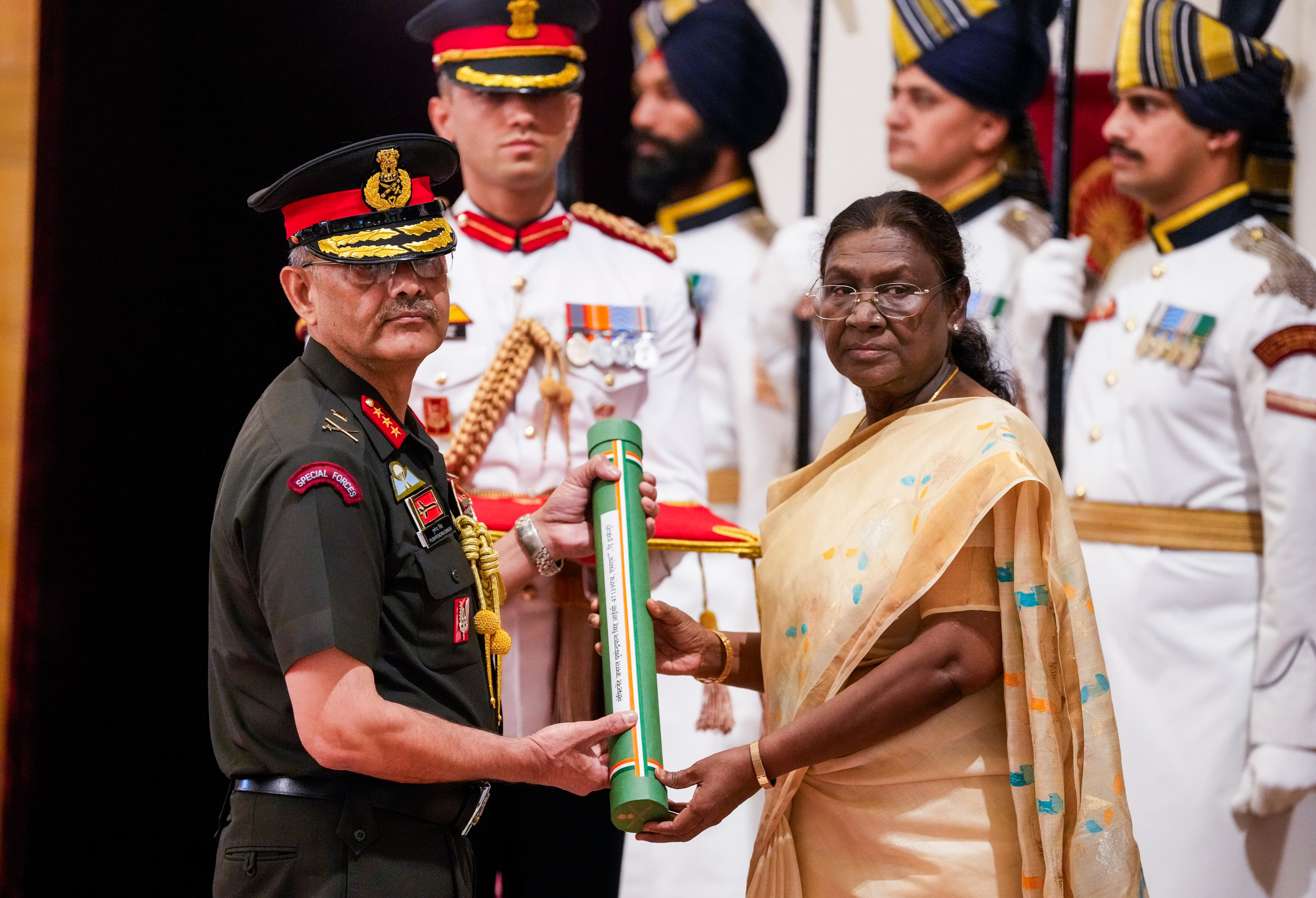
He previously led the IX Corps (Rising Star) in Yol, Himachal Pradesh, overseeing Western Command sectors. As Director General of Operational Logistics and Strategic Movement prior to VCOAS, he honed expertise in supply chain optimization and force mobility—critical for rapid deployments amid LAC standoffs. Singh’s awards, including the Ati Vishisht Seva Medal (AVSM) and Sena Medal (SM), underscore his contributions to operational efficiency. His Special Forces background adds a layer of unconventional warfare acumen, making him a “natural choice” under norms favoring the VCOAS.
Lt Gen Dhiraj Seth, PVSM, UYSM, AVSM: Commanding the Southern Command since July 1, 2024, Seth represents the armoured corps’ precision and mobility focus. Commissioned into the 2nd Lancers (Gardner’s Horse) in December 1986, he is an NDA and IMA alumnus with a career emphasizing mechanized warfare. Seth has commanded iconic units like Skinner’s Horse, the 98th Armoured Brigade, and the XXI Corps (Sudarshan Chakra) in Bhopal, a key strike formation for desert and plains operations.
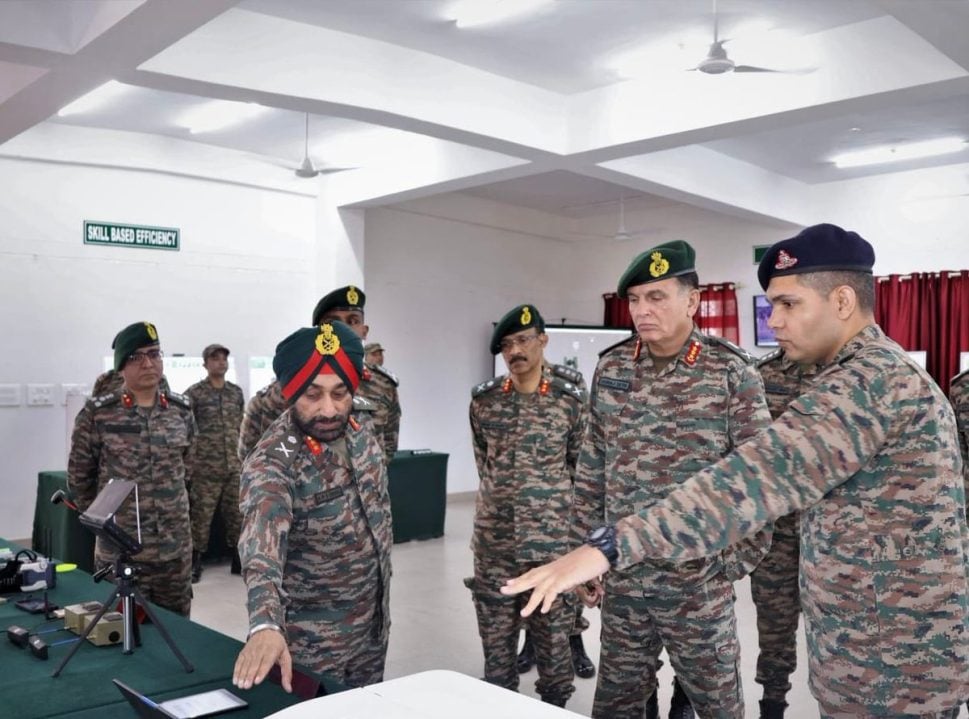
His prior role as GOC-in-C of the South Western Command in Jaipur involved overseeing Rajasthan’s border sectors, where he emphasized integrated battle groups and joint exercises. Seth’s operational exposure includes counter-insurgency in Rashtriya Rifles and staff tenures at the NDA and Armoured Warfare School. Decorated with the Param Vishisht Seva Medal (PVSM), Uttam Yudh Seva Medal (UYSM), and AVSM, he is praised for advancing armoured tactics amid hybrid threats. His southern theater command provides strategic oversight of peninsular security, including maritime interfaces, positioning him as a contender if the government prioritizes conventional deterrence against Pakistan.
Lt Gen Pratik Sharma, SYSM, PVSM, AVSM, SM: As GOC-in-C of the Northern Command since May 1, 2025, Sharma brings frontline experience from India’s most sensitive borders. Commissioned into the Madras Regiment in December 1987, he is an NDA, IMA, and Defence Services Staff College (DSSC) alumnus, with additional training at the National Defence College. Sharma’s infantry-centric career includes commanding a battalion, brigade, and division along the LoC, as well as a Western Sector Strike Corps.
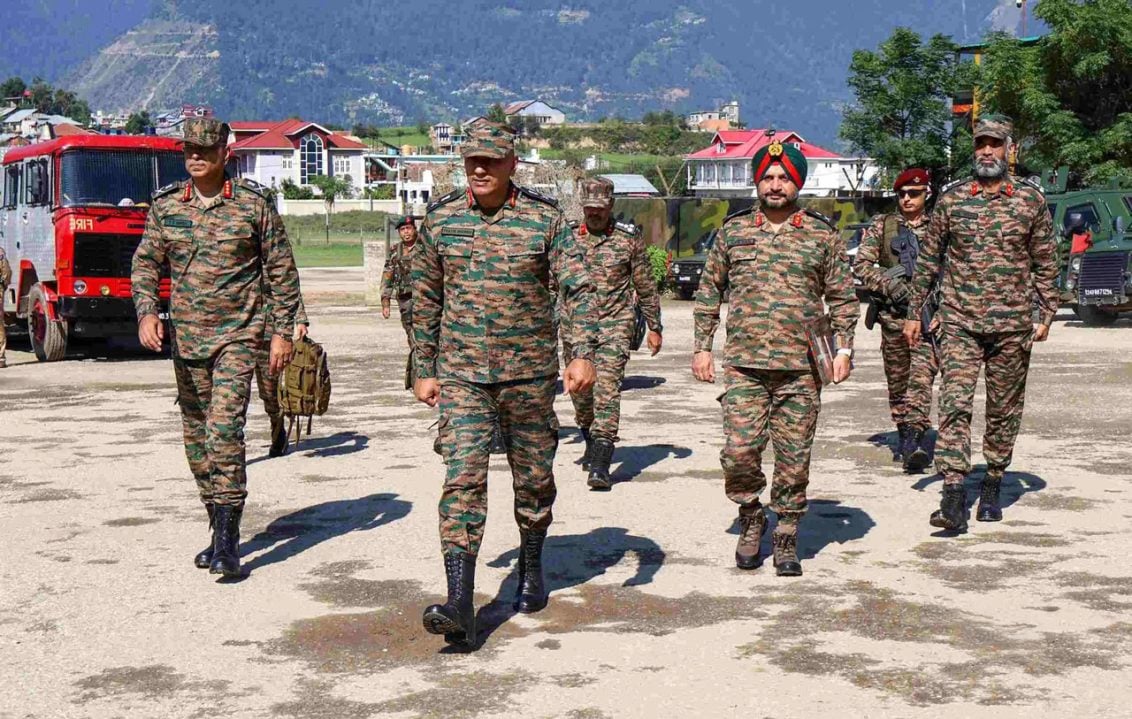
He participated in pivotal operations like Pawan (Sri Lanka), Meghdoot (Siachen), Rakshak (J&K counter-insurgency), and Parakram (post-Parliament attack mobilization). As former Director General of Military Operations (DGMO) and Information Warfare, he managed ceasefire negotiations and hybrid threats. Awards such as the Sarvottam Yudh Seva Medal (SYSM), PVSM, AVSM, and SM highlight his high-altitude and counter-terrorism prowess. Sharma’s northern role involves LAC patrolling and infrastructure development in Ladakh, making him ideal if border tensions with China escalate.
Other senior officers, such as those heading Eastern or Central Commands, may enter the fray, but precedent favors those with recent high-visibility commands. The seniority list, as per Army protocols, places these three among the top echelons based on commissioning dates (1986-1987) and promotions.
Strategic Considerations Shaping the Choice
The next COAS will inherit challenges like the ongoing LAC disengagement with China, counter-terrorism in Jammu and Kashmir, and integration under the Chief of Defence Staff (CDS) framework. India’s push for self-reliance (Atmanirbhar Bharat) in defence manufacturing, coupled with theatre command reforms, demands a leader adept at modernization. Geopolitical factors—such as Indo-Pacific alliances and Pakistan’s proxy warfare—could tilt selections toward candidates with specific expertise. For instance, Sharma’s northern exposure aligns with LAC priorities, while Seth’s armoured background suits potential two-front scenarios.
Quiet deliberations in New Delhi emphasize a “whole-of-nation” approach, integrating civil-military synergies. The government may also consider diversity, though merit remains paramount. Barring extensions or surprises, the ACC’s decision will reflect broader national strategy.
Potential Implications for the Army
A new chief could accelerate initiatives like Agnipath refinements, cyber warfare units, and unmanned systems. Succession stability is vital for morale in a 1.4-million-strong force. Historical transitions, like Rawat’s focus on integrated commands, show how leadership shapes doctrine.
In summary, while Lt Gen Pushpendra Singh leads due to convention, Lt Gens Seth and Sharma offer compelling alternatives. The final choice, expected by mid-2026, will underscore India’s defence priorities amid a multipolar world.
| Candidate | Commissioning Date | Current Position | Key Commands/Experience | Awards | Strengths for COAS Role |
|---|---|---|---|---|---|
| Lt Gen Pushpendra Singh | December 1987 | Vice Chief of Army Staff | Special Forces Battalion, Assam Rifles Sector, Infantry Division, IX Corps; DG Operational Logistics | AVSM, SM | Administrative expertise, Special Forces background, institutional continuity |
| Lt Gen Dhiraj Seth | December 1986 | GOC-in-C Southern Command | Skinner’s Horse, 98 Armoured Brigade, XXI Corps, South Western Command | PVSM, UYSM, AVSM | Armoured warfare specialist, strike corps command, conventional deterrence focus |
| Lt Gen Pratik Sharma | December 1987 | GOC-in-C Northern Command | Infantry Battalion/Brigade/Division (LoC), Strike Corps (Western); DGMO, DG Information Warfare | SYSM, PVSM, AVSM, SM | High-altitude operations, counter-insurgency, border management with China/Pakistan |